
H.Upmann history - an innocent victim of world politics

H.Upmann history begins with a track record of success that is unrivalled. The Upmann family has done everything right - with foresight, discipline and passion. But sometimes fate strikes relentlessly, and even the most successful companies fall foul of global politics. The H.Upmann history is a prime example of how closely economic success and global circumstances are intertwined.
This article was first published on 21/10/2025 and was updated on 05/03/2026 - We have reopened it, supplemented it and brought it up to date.
Where do cigars come from?
Table of contents
How it all began
Hermann Upmann emigrated to Cuba in 1839. He originally came from Bielefeld. For a long time, it was rumoured that the family came from Bremen. However, Hermann Upmann only moved there after his return to Germany.
It is still unclear what the mysterious „H“ before the name. Some sources suggest that it stands for Hermanos (Spanish for brothers). However, it is much more likely that the H is the abbreviation of the first name Hermann, the founder of the brand, is.
Hermann Dietrich Upmann was born in 1816 and was the son of a watchmaker and merchant. He emigrated to Cuba at the age of 23. While still in Bielefeld, he had completed an apprenticeship as a merchant. «Without means», he founded a cigar shop in Havana on Calle San Miguel No. 85.
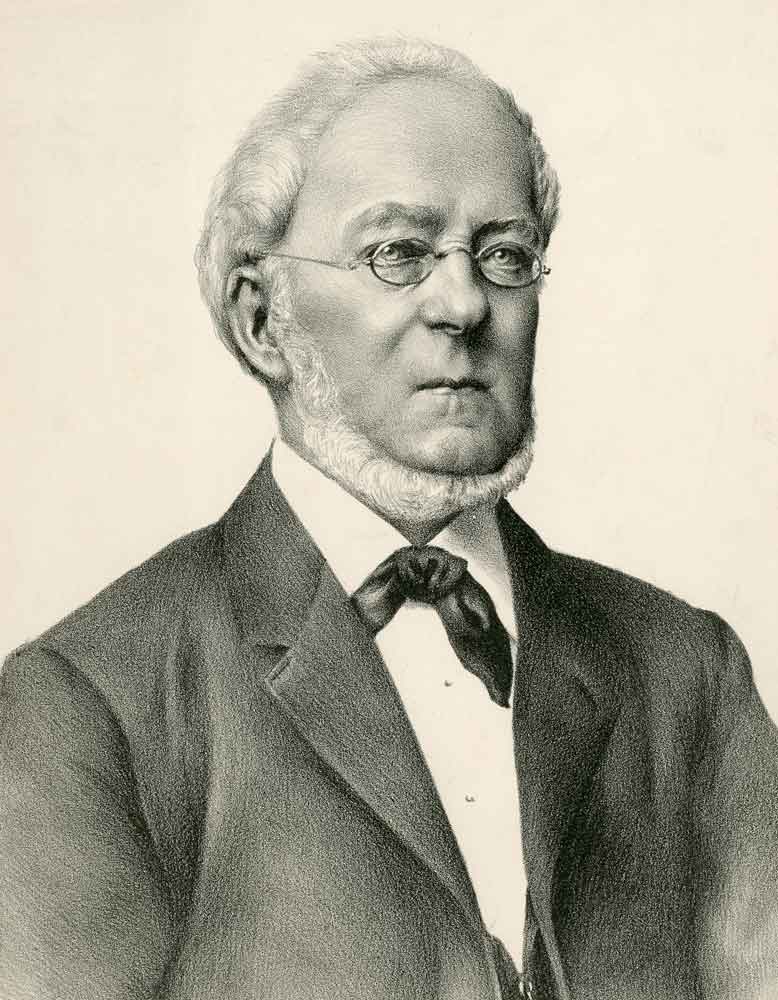
The founder of the H.Upmann brand: Hermann Dietrich Upmann (1816-1894) from Bielefeld. / Source: Wikipedia
The beginning of a cigar dynasty
Hermann Upmann officially registered his cigar brand in October 1844. By then, he had already been very successful as a cigar manufacturer and had acquired an enormous amount of knowledge about cigars and, above all, tobacco.
He soon brought his brother August to live with him in Havana. In 1848, Hermann married Wilhelmine Amalie Gravenhorst from Bremen. She also joined him in Havana, but died of yellow fever less than a year later, like many others who had travelled to the Caribbean. Certainly a heavy blow. Hermann Upmann returned to Germany for good in 1852. In Bremen, he joined the Gudewill trading company as a partner and later became the sole owner. He died very wealthy in 1894.
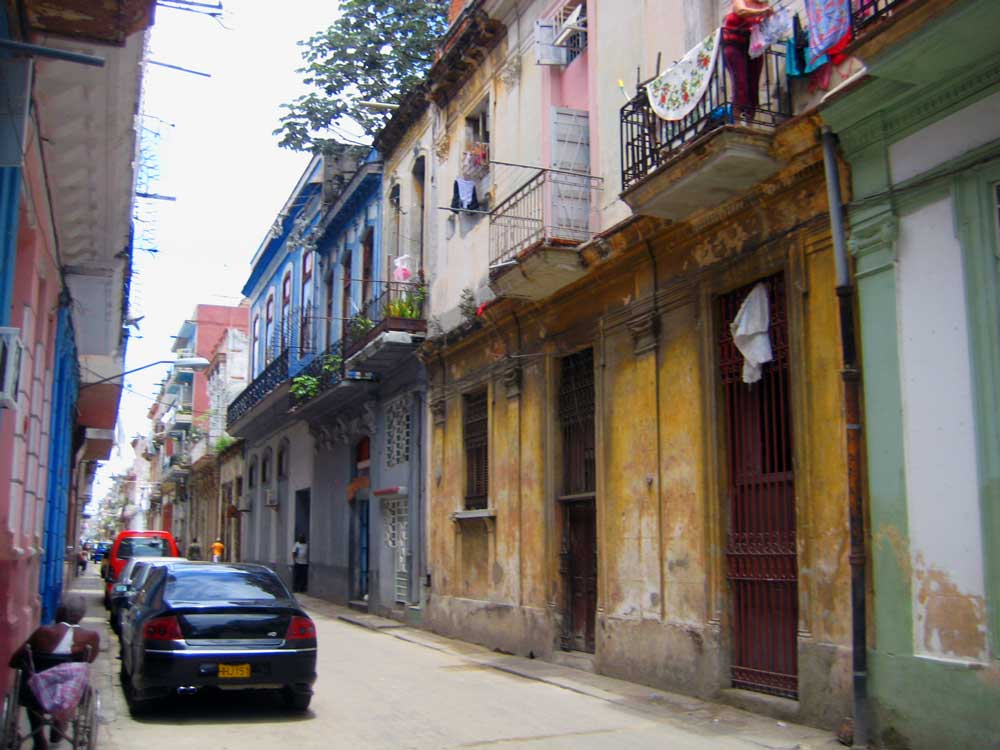
The very first, still very small factory of the H.Upmann brand was located on Calle San Miguel No.85 in Havana's Centro Habana district from 1844. Other factories soon followed.
Contrary to earlier accounts, the brothers Hermann and August Upmann did not run a bank in Havana themselves. This was only done by their descendants, the sons of their brother Wilhelm. They took over the cigar business in the 1860s and also founded a bank called «Upmann & Co.» in Havana in the 1960s, with which they were very successful.
Many family members were involved, H.Upmann cigars were known and sought after for their quality and the quality of the tobacco used. A constant in the H.Upmann history.
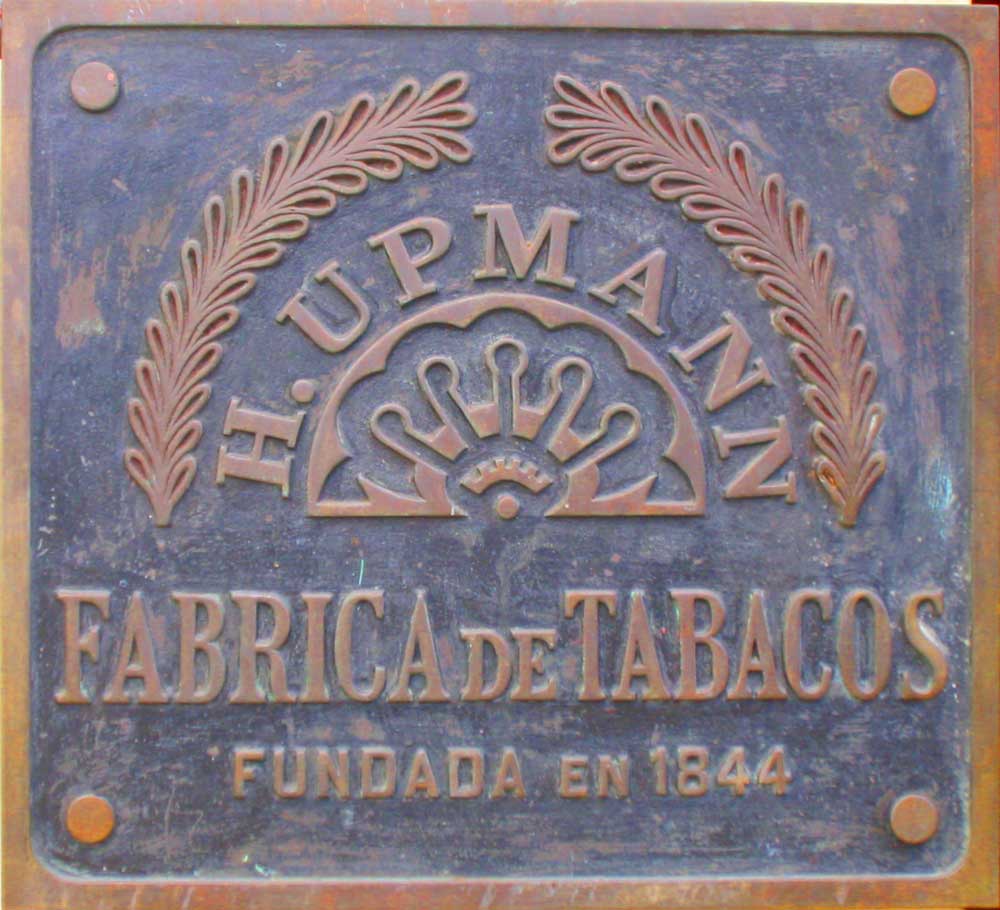
The company sign for the H.Upmann brand. It hung on the building on Calle 23 from 2003 to 2011, when it moved on with the brand.
Rise and fall
In 1891, a new, large factory for over 200 workers was built - affectionately known as the „La Madama“. Everything went perfectly until fate intervened again: in 1922, the Upmann Bank, which was considered the most important banking firm in Cuba at the time, had to file for bankruptcy. The factory and cigar production were also swept away by this maelstrom.
Most sources report that the reason for this insolvency was that during the First World War in 1917, German companies in Cuba were blacklisted by the USA. This included the Upmann Bank in Havana. However, this was not the real reason for the bank's demise.
At the beginning of the 20th century, there was a significant increase in sugar production in Cuba, fuelled by North American companies. At the same time, the price of sugar rose sharply, triggering a wild speculative fever shortly after the end of the First World War. The «sugar bubble» burst in 1920, almost all Cuban banks became insolvent and were closed.
The Upmann Bank had also invested in sugar. The bank's assets were estimated at 12 million dollars, with payment obligations totalling 9 million. The owners at the time, Hermann and Albert Upmann, wanted to service the liabilities due from their private assets (collateral at Deutsche Bank in London). However, this was not possible as the British government had confiscated all assets owned by German citizens. The bank had to be closed and was deleted from the commercial register in June 1922, marking a tragic chapter in the bank's history. H.Upmann history.
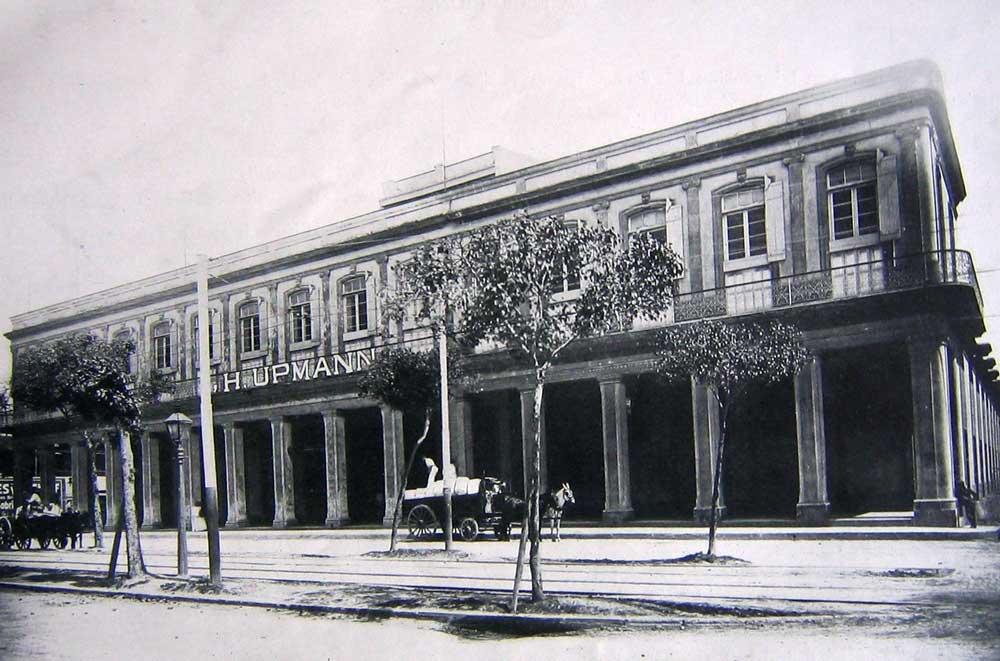
The H.Upmann factory „La Madama“ has been producing H.Upmann brand cigars on Avenida Carlos III since around 1890. Photo: William Gill: “Havana Cigars”, Havana, Cuba 1910
Rescue by Frankau and a new beginning
The British cigar importer J. Frankau & Co. acquired the brand rights and wanted to continue the tradition. The experienced Solaún Brothers produced the cigars under licence - but without the original success. In 1936/37, the contract was terminated and the licence went to Menéndez Garcia & Co. about.
That was a turning point. Alonso Menéndez and José Garcia - the men behind Montecristo - took over and made H.Upmann big again. Distribution was perfect: Montecristo via „John Hunter Morris & Elkan Company“, H.Upmann continued to be distributed via „J. Frankau & Co.“. Both brands fuelled each other - a symbiosis of quality and trust that the H.Upmann history gave it a new lustre.
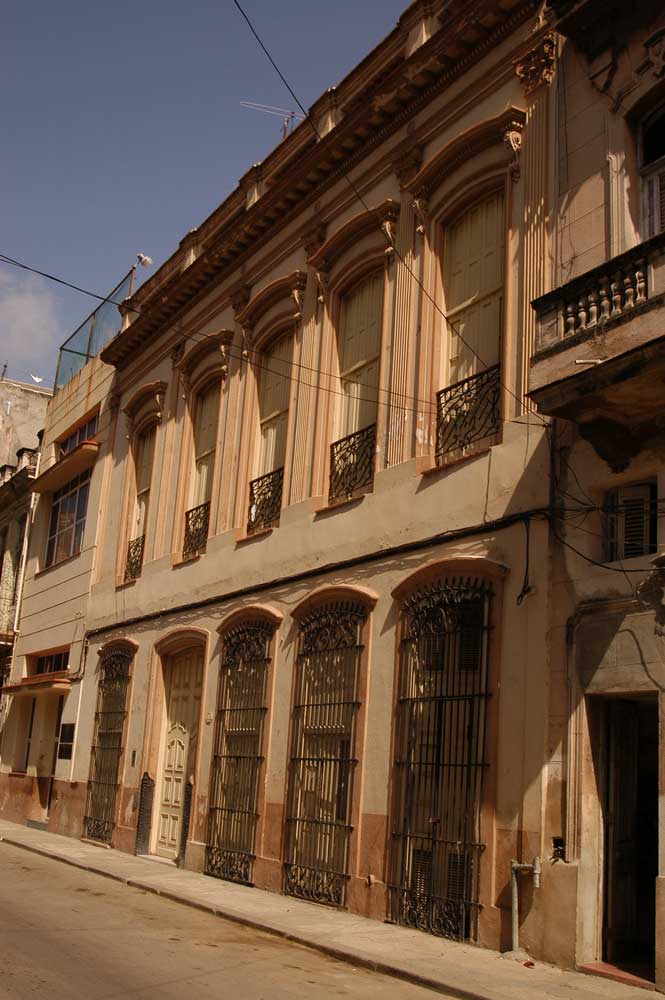
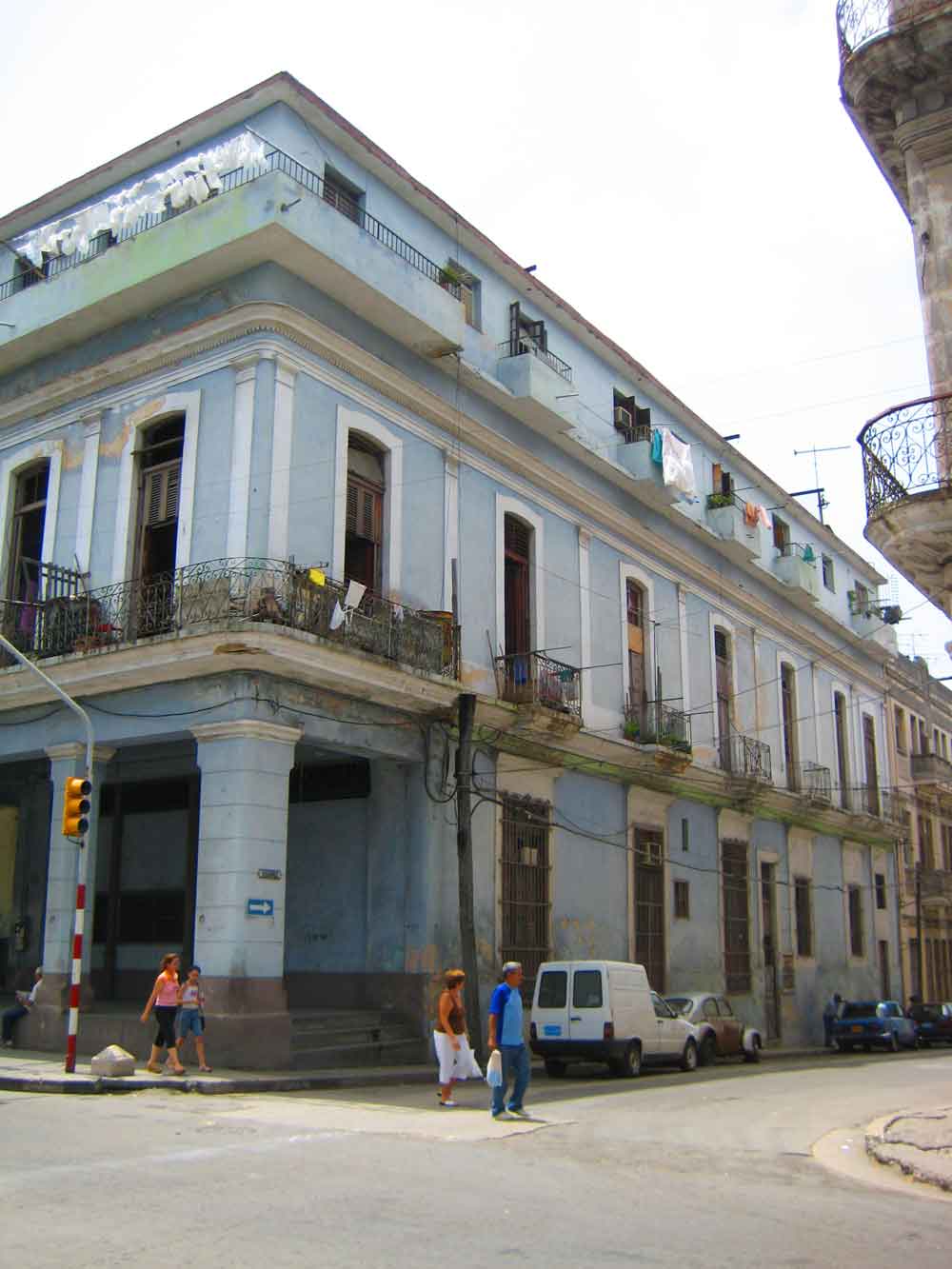
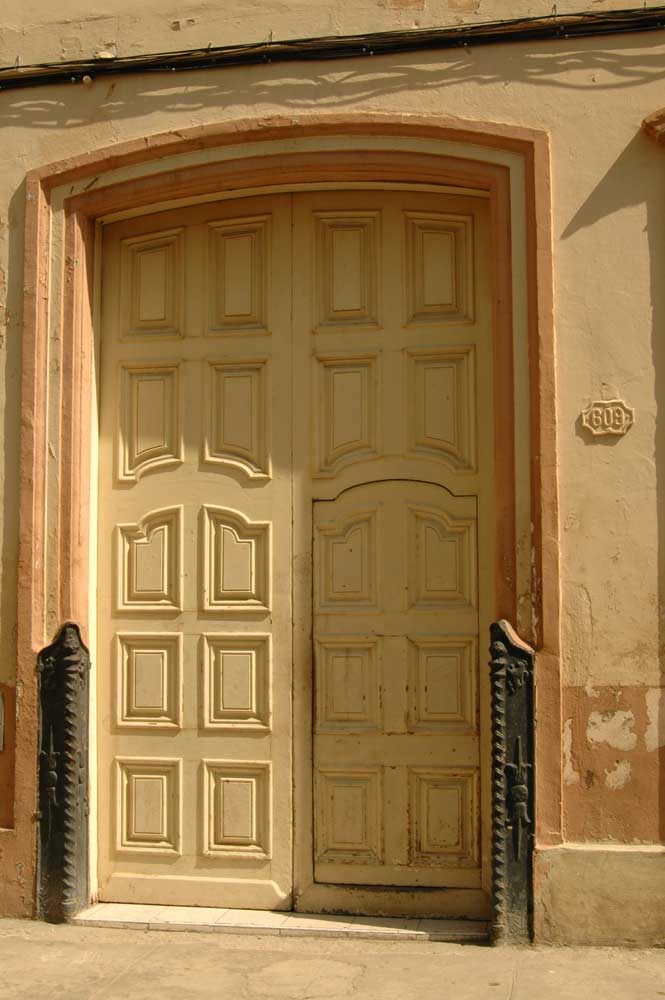
H.Upmann brand cigars were manufactured on Calle Virtudes from 1937 to 1944, as were the Montecristo, Particulares and El Patio brands. Later it was a tobacco warehouse.
The golden years
Between 1937 and 1944, Menéndez & Garcia established their production in the Calle Virtudes No. 609. According to the 1940 entry in the commercial register, in addition to H. Upmann, there were also Montecristo, Particulares and El Patio brands that shaped Cuban cigar culture.
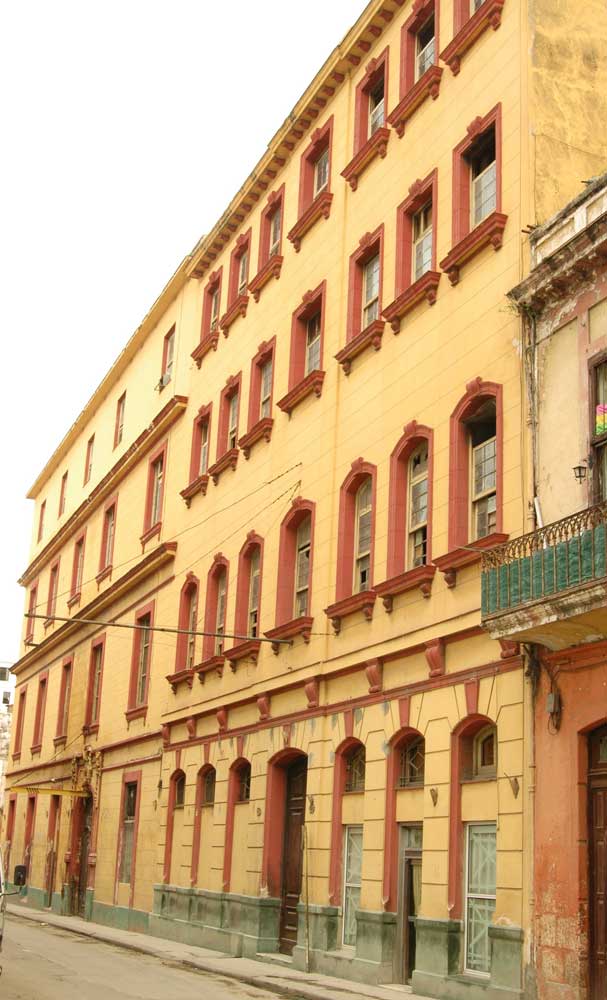
But as early as 1944/45, the move to the Calle Amistad No. 407-409, because there was no longer enough space. This manufactory remained the home of H.Upmann cigars until 2003 - an impressively long era in the history of the company. H.Upmann history, that still resonates today.
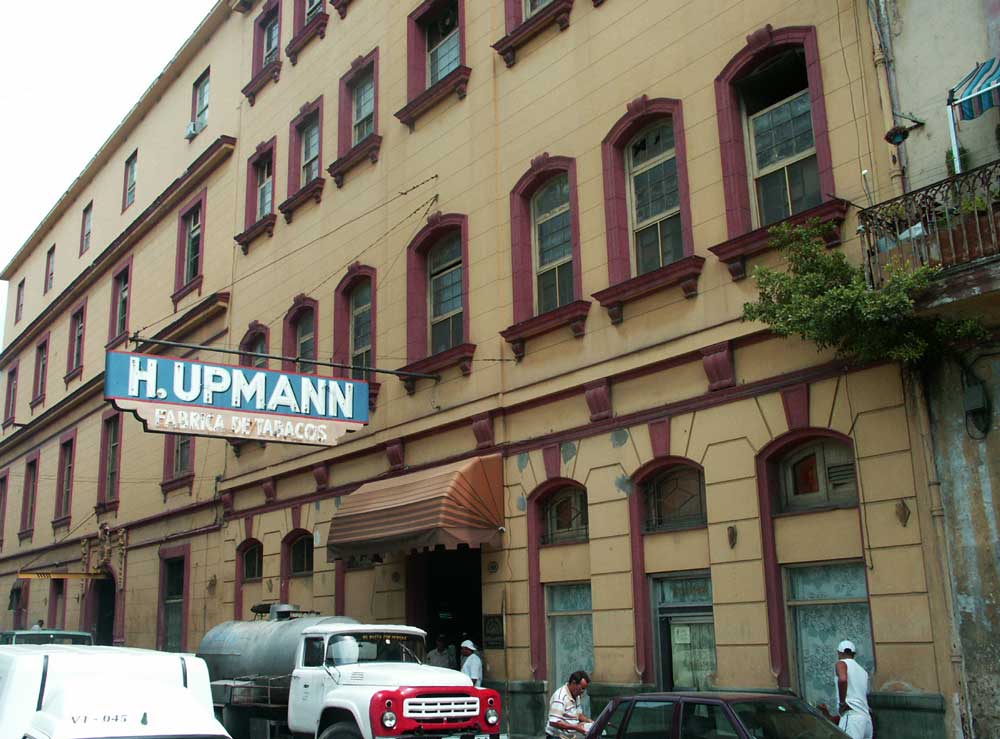
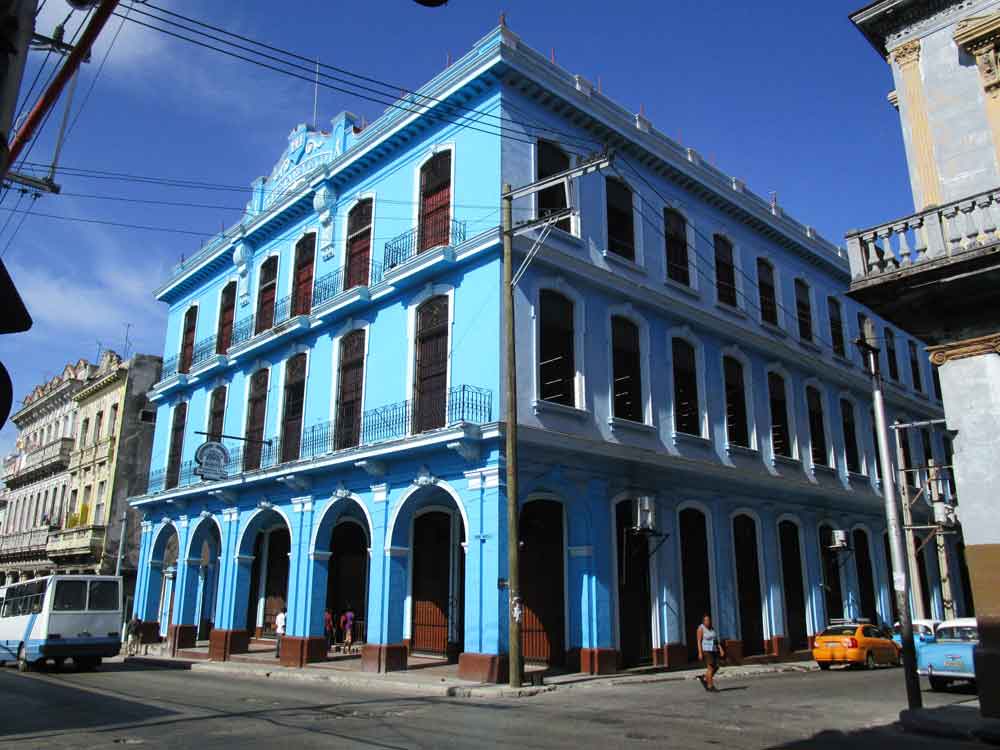
The H.Upmann factory on Calle Amistad 407, still in operation here. Cigars were made here from 1944 to 2003.
Revolution and a new beginning
In the late 1950s H.Upmann Cuba's largest cigar exporter. Even during the revolution, the factory continued to produce without interruption - a symbol of stability in turbulent times and proof that the H.Upmann history is closely interwoven with the history of Cuba.
In 1961, after the victory of the revolution, the Menéndez family left the island. The factory was nationalised, but the brand survived - and remained an important part of the Cuban cigar world. This new beginning marked another chapter in the H.Upmann history, which tells of adaptation and survival.
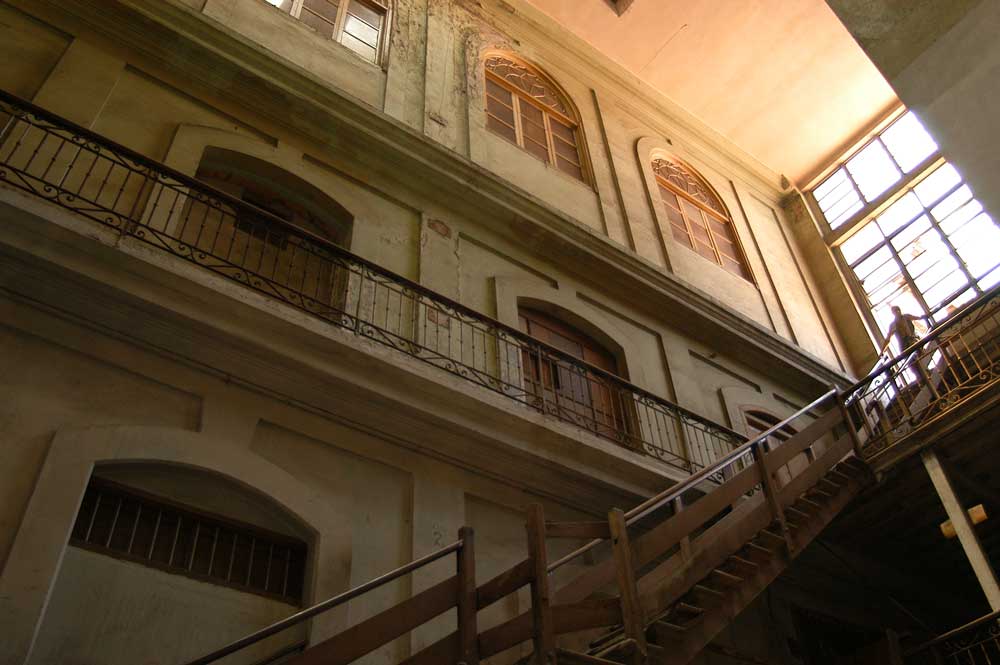
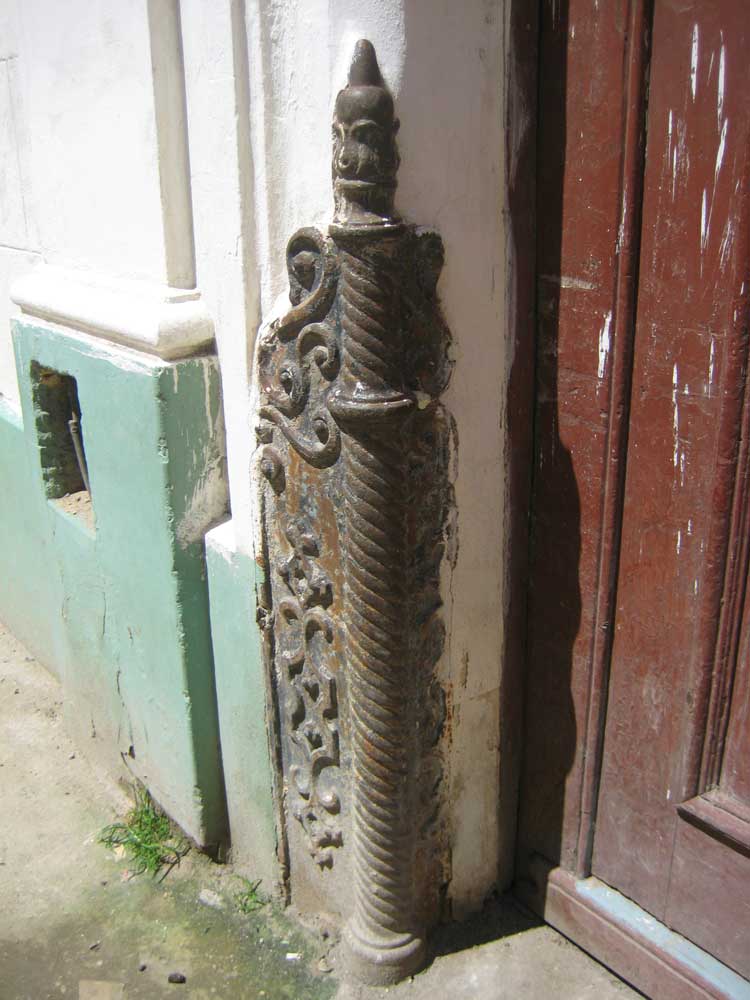
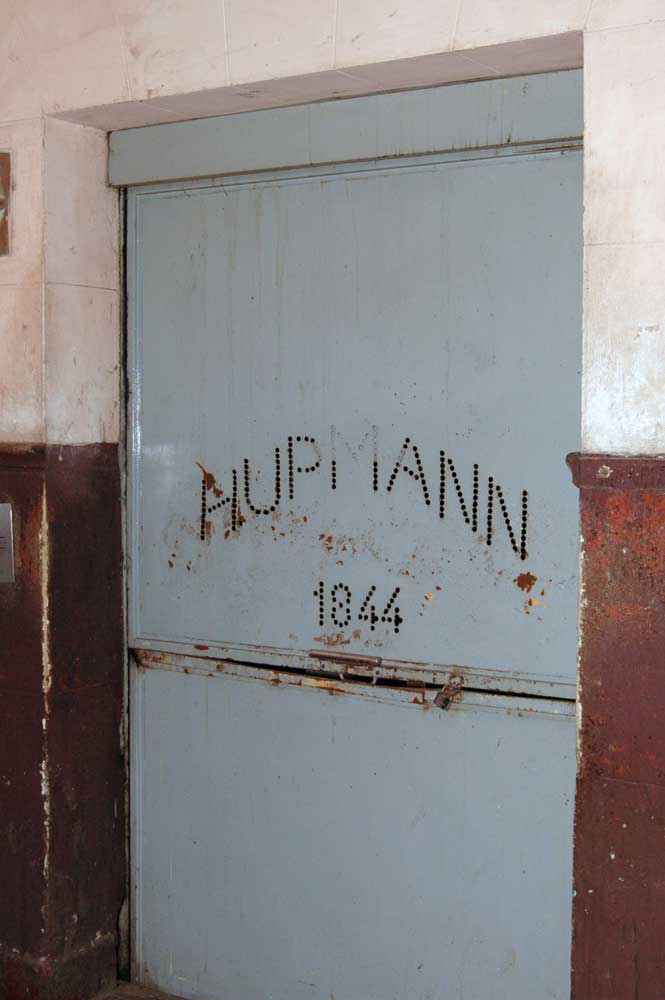
The stairwell of the former factory. The patio is covered, windows open onto the inner courtyard.
New home in Vedado and beyond
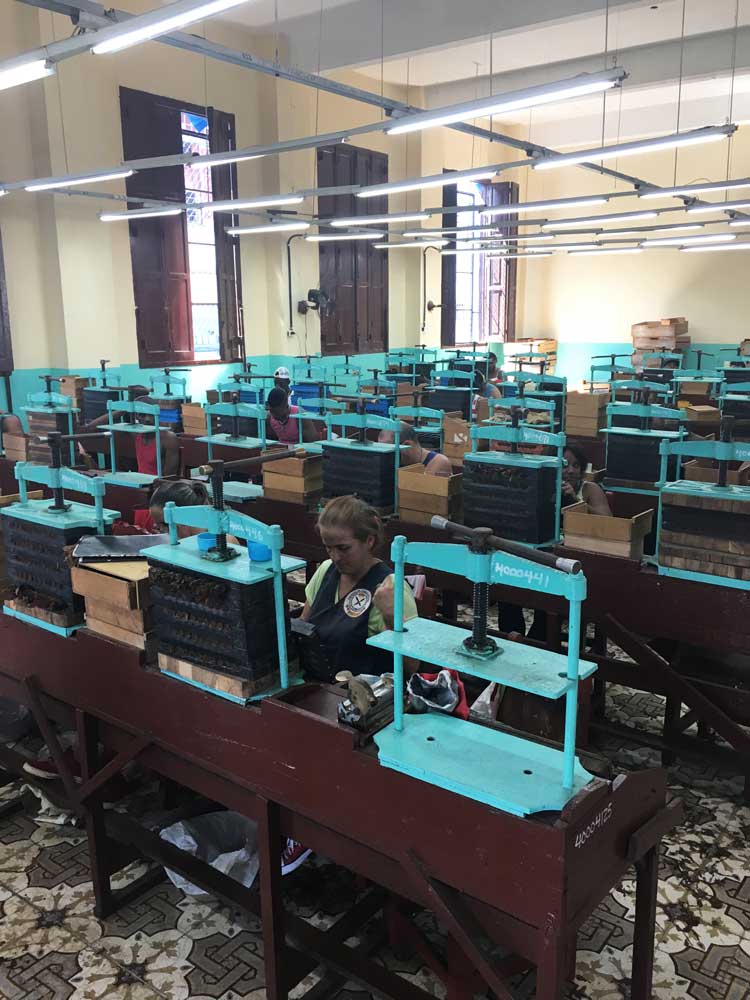
In 2003, production moved to a building on the Calle 23 in the neighbourhood Vedado - originally the old Particulares manufacture Over 600 workers manufactured H.Upmann cigars there with the utmost precision and passion.
However, the building was closed in 2011 due to roof damage. It has been empty ever since. Production moved on - to the Calle Belascoain No. 852, the former home of the Romeo y Julieta manufacture. This move was also part of the long and eventful H.Upmann history, which has always been characterised by continuity and quality.
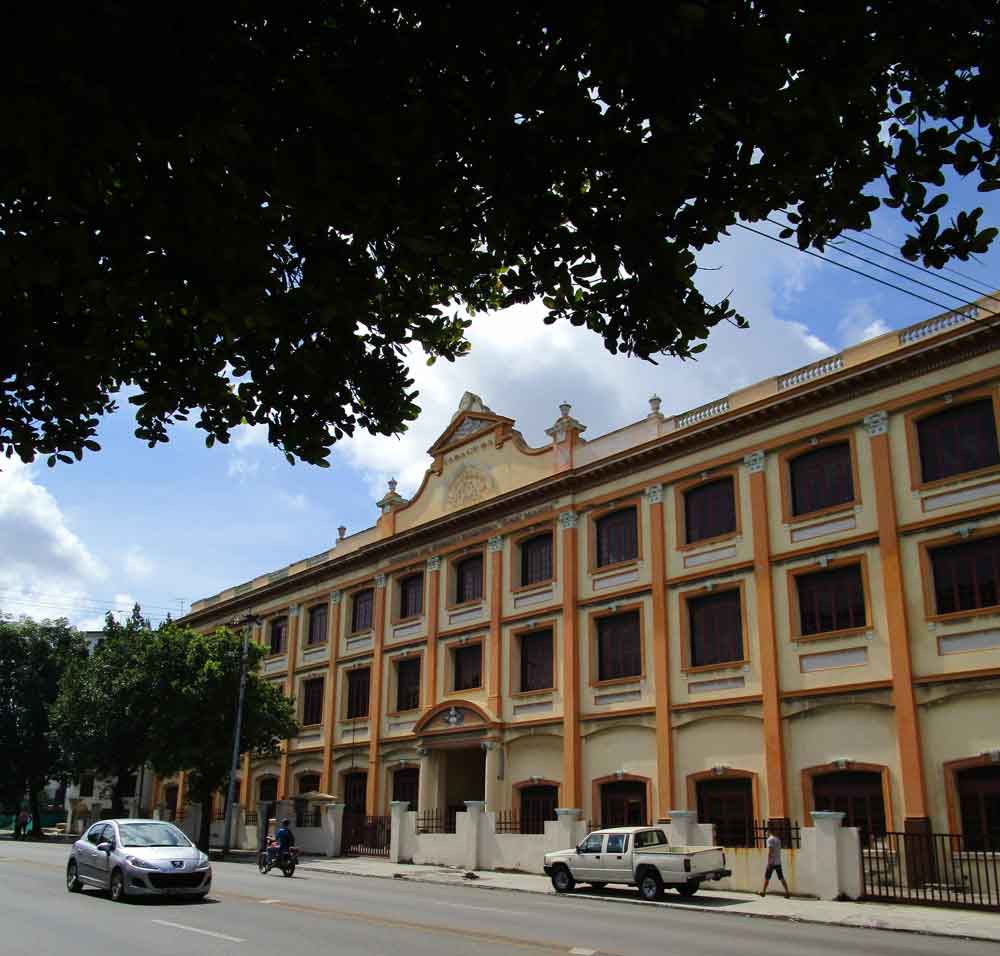
In 2003, the H.Upmann brand moved to Calle 23 (the streets in Havana's Vedado district have numbers, not names). Even before this time, this was a cigar factory; the very first Montecristos came from here.
Quality without compromise
Despite all the challenges H.Upmann never lost its popularity. The brand is still a symbol of consistency and quality today. Every H.Upmann cigar bears the H.Upmann history from the first factories in Havana to the modern production facilities of today.
The brand has survived economic crises, wars and revolutions - and yet remains what it has always been: a fascinating, innocent success story in cigar history. No other example shows as clearly how a brand can endure for generations as the H.Upmann history.
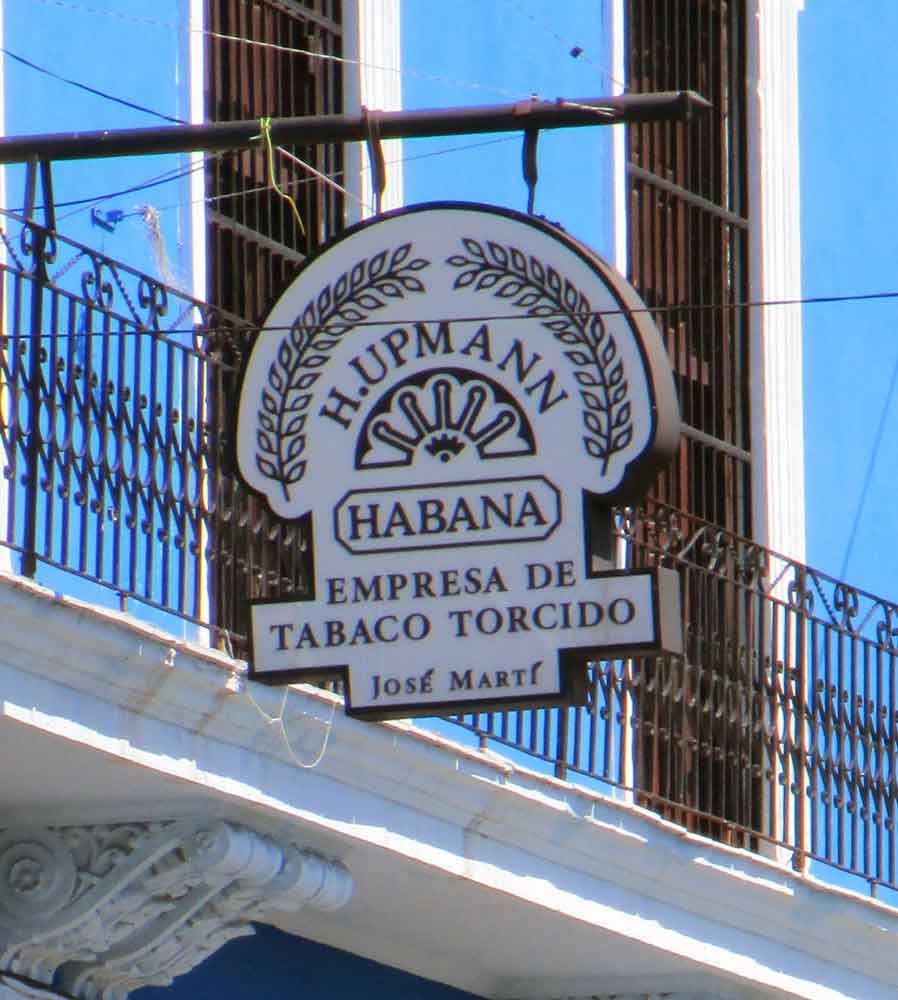
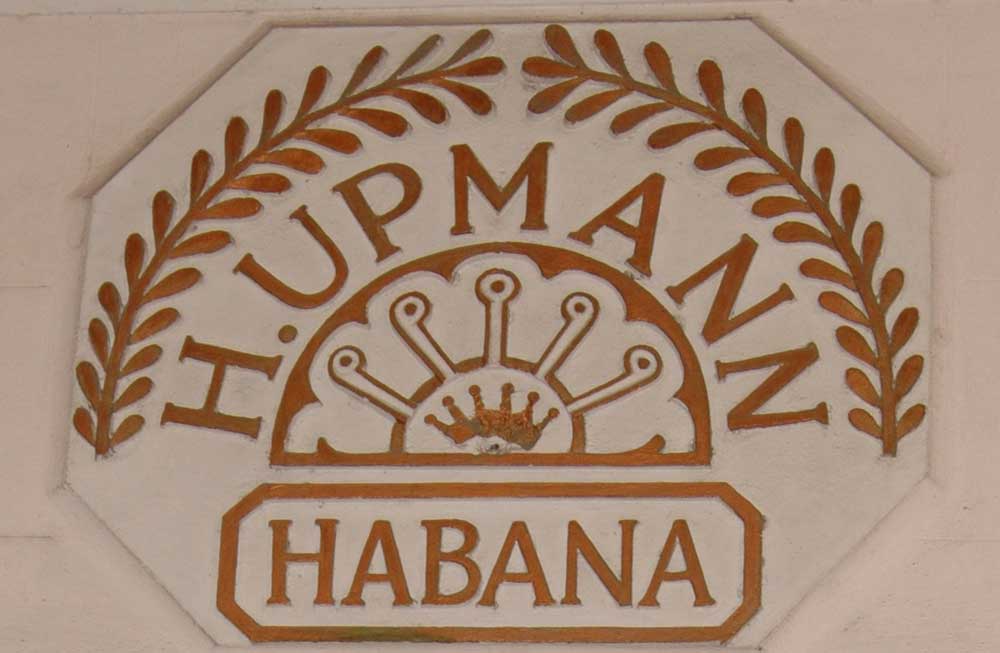
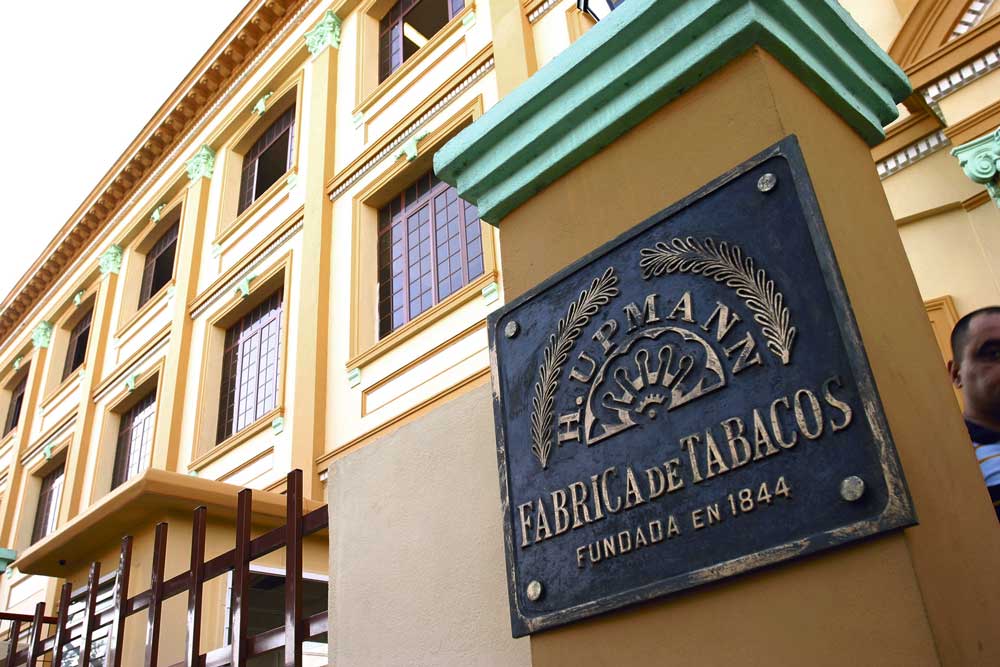
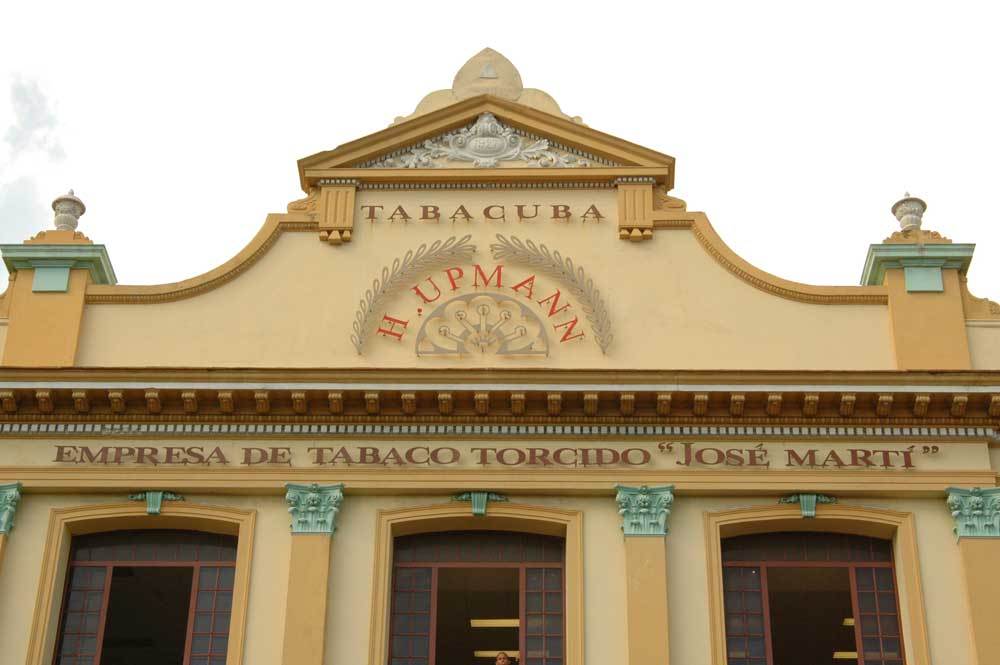
This sign on the façade of the building presents the official name of the manufactory.
Here you will find the H.Upmann Manufaktur
If the live folder does not work, please click here for H.Upmann Manufaktur.
Picture credits
- Claudia Puszkar
- Hermann Dietrich Upmann, Wikipedia
- H.Upmann factory „La Madama“: William Gill: “Havana Cigars”, Havana, Cuba 1910
Curated for you
External website: H.Upmann at Wikipedia.de and Exploring Bielefeld (PDF)
At Origin Of Cigar: The fascinating Cohiba story - the legend and myth of Cuba's most famous cigar
Historical Habanos manufactories documentary film
In this film, their stories - and their true faces - are uncompromisingly revealed. This is far more than just a documentary film - it is a journey into the soul of Cuba.

What is in your drawers?
Some chapters in the history of cigars still lie in hidden in drawers, archives or private collections. Do you own Records, documents or references to Cuban cigar brands? Or do you know Sources, that could help with historical research? Then please send us an e-mail. Claudia Puszkar will contact you personally and discuss everything else with you. Together we can Bringing buried stories back to light. 👉 admin@origin-of-cigar.com
New to Cuban cigars? Or deep into it?
FAQ - Read the frequently asked questions
Open the glossary of Cuban cigars
Who is behind Origin Of Cigar?
Who we are and how you can reach us → Please click here
Photos H.Upmann Gallery
If you do not see the photo gallery, please click here for the H.Upmann photo gallery
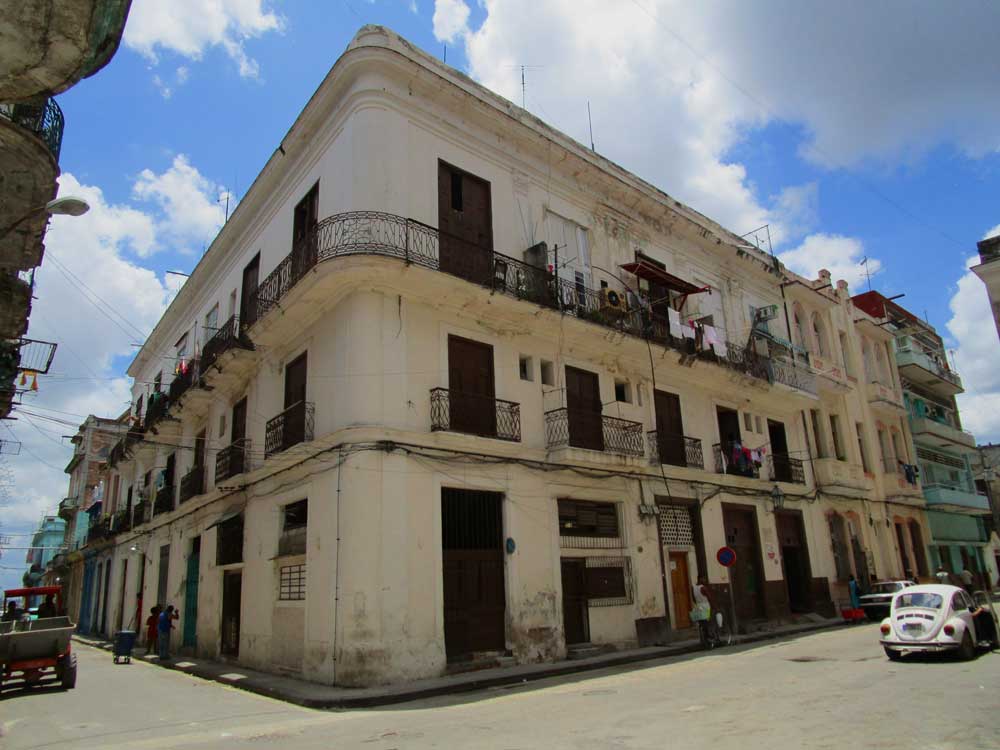

Important source for the revision of 05.03.26
Margrit Schulte Beerbühl, Barbara Frey / The H.Upmann cigar - Hermann Dietrich Upmann from Bielefeld and the creation of a global brand, from: Johannes Altenberend/Reinhard Vogelsang (eds.): Forschen - Verstehen - Vermitteln. Commemorative publication for the 100th annual report of the Historical Society for the County of Ravensberg, Bielefeld 2015
References
- Min Ron Nee:
- “AN ILLUSTRATED ENCYCLOPAEDIA OF POST-REVOLUTION HAVANA CIGARS” / Hong Kong 2003, ISBN: 978-3980930826
- Instituto de Investigaciones del Tabaco Cuba:
- „The world of Habanos“ / Havana 2013, ISBN: 978-959-7212-08-9
- Adriano Martínez Rius:
- “Habano the King” / Barcelona 1998, ISBN: 84-930387-1-7
- Adriano Martinez Rius:
- “The Great Habano Factories” / Barcelona 2005, ISBN: 84-609-4024-1
- Orlando Quiroga:
- “El Habano al rojo vivo” / Havana 2002
- Enzo A. Infante:
- “Havana Cigars 1817-1960” / Neptune City 1997
- Eumelio Espino:
- “El Habano - De la semilla al puro en 539 pasos” / Madrid 2019, ISBN: 978-84-09-07091-6
- Alexander Groom:
- “El Habano Moderno” / Helios House Press 2022, ISBN: 978-911683-05-6
You are here:
h. upmann cigar brand founded in 1844


 Deutsch
  Español
  English (UK)
  Français
  Italiano