
La Flor de Cano Cigars – the fascinating story of an almost forgotten Habanos brand

La Flor de Cano cigars were for a long time a significant brand in the Spanish, but especially the English, market. In Germany, they were and still are little known to this day.
Where do cigars come from?
Table of contents
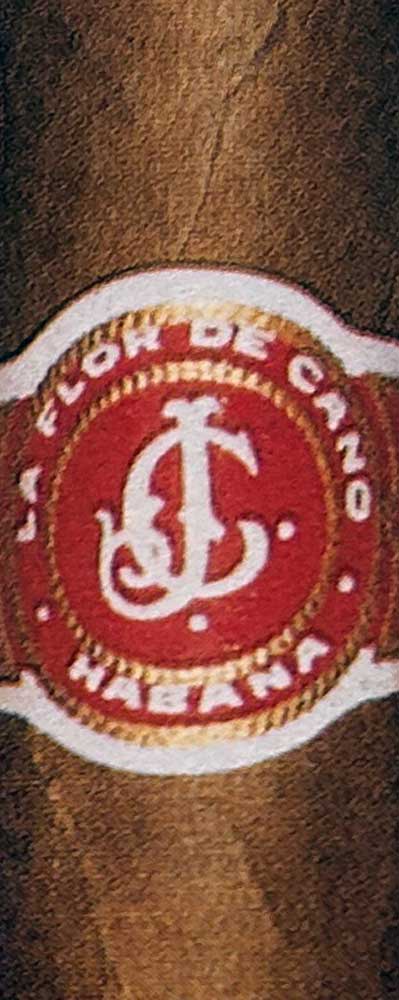
The La Flor de Cano cigar band, featuring the distinctive ‘J’ and ‘C’ for Juan and Cano.
On the Dot brought
La Flor de Cano is one of the Habanos brands steeped in tradition, though it is now largely forgotten. Having first emerged in 1884, the brand’s real success came in the 1940s under Juan Cano Sainz. It became known to a wider audience, particularly for its high-quality machine-rolled cigars, and gained popularity in Spain and the UK.
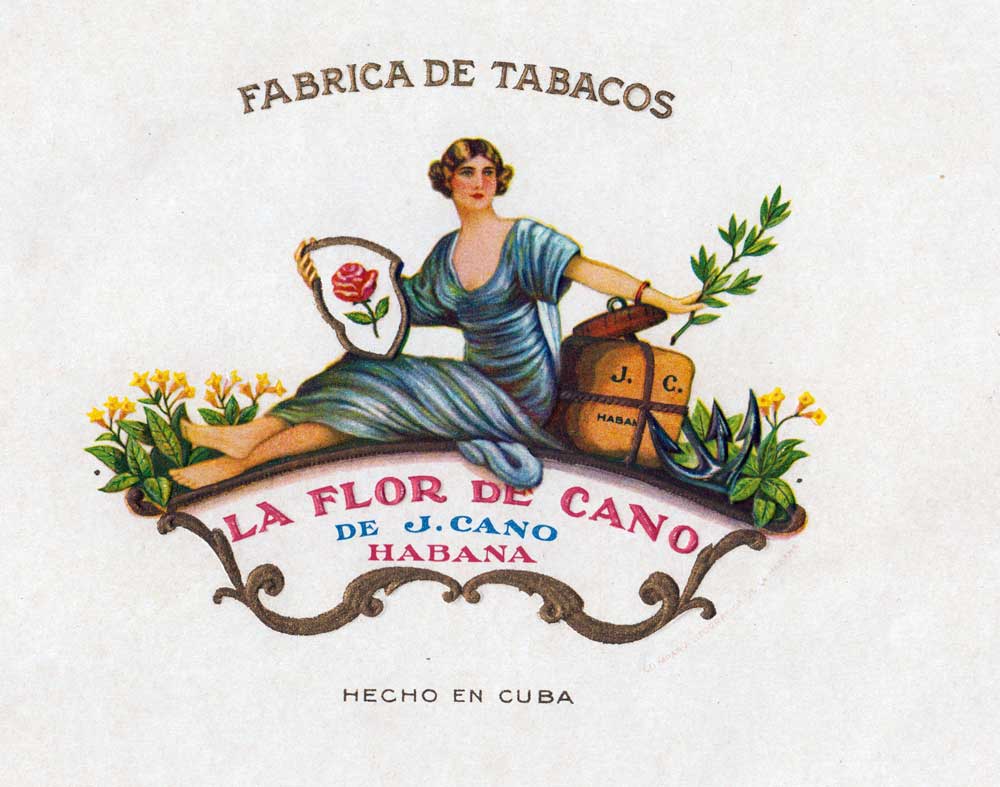
The former Vista of the La Flor de Cano brand, relatively modern and simply designed. (Source: Min Ron Nee: “AN ILLUSTRATED ENCYCLOPAEDIA OF POST-REVOLUTION HAVANA CIGARS”, Hong Kong 2003, ISBN: 978-3980930826)
What are La Flor de Cano cigars?
La Flor de Cano cigars were, for a time, among the most successful Cuban cigar brands on the European market.
Hardly any other Habanos brand owes its fame so much to industrial production as La Flor de Cano. Its rise impressively demonstrates the importance that modern production methods, entrepreneurial foresight, and international trade relations could already have for the success of a cigar brand over 80 years ago.
Primarily in Spain and Great Britain (due to supplying the military during the Second World War), it remains one of the well-known Cuban cigar brands by name even today, though it is less familiar to aficionados in other countries.
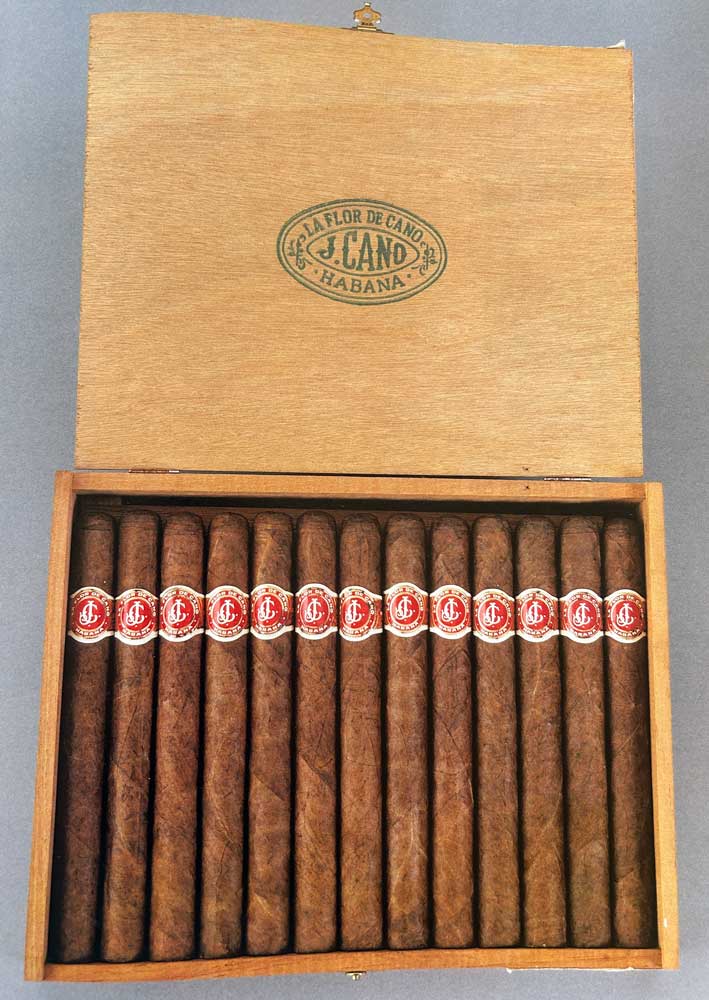
The La Flor de Cano brand has a particular reputation in Great Britain: during the Second World War, the military procured large quantities of these cigars. This reputation has endured. (Source: Min Ron Nee: “AN ILLUSTRATED ENCYCLOPAEDIA OF POST-REVOLUTION HAVANA CIGARS”, Hong Kong 2003, ISBN: 978-3980930826)
La Flor de Cano today
For many years, the renown of the name La Flor de Cano ensured high demand. Alongside machine-made cigars, there was a significant number of handmade formats after the revolution from 1960 onwards, though these were gradually discontinued.
Today's range comprises just two cigars, which are produced as handmade short fillers.
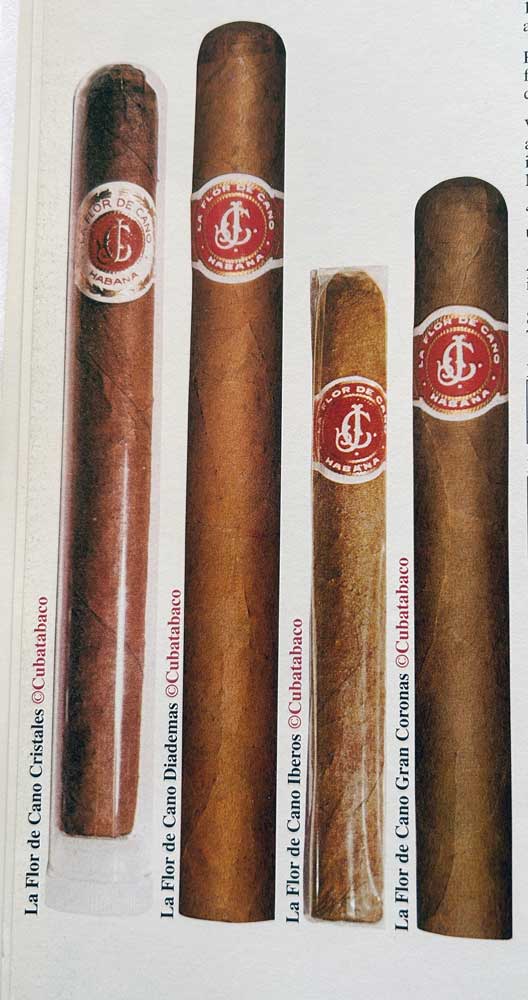
The brand La Flor de Cano's portfolio once comprised both handmade and machine-made cigars. (Source: Min Ron Nee: “AN ILLUSTRATED ENCYCLOPAEDIA OF POST-REVOLUTION HAVANA CIGARS”, Hong Kong 2003, ISBN: 978-3980930826)
Facts about La Flor de Cano cigars
Brand founded: originally in 1884; relaunched under Juan Cano Sainz around 1932
Origin: Havana, Cuba
Known for: initially handmade, then also machine-made premium cigars and later handmade short fillers
Largest sales markets: Spain and Great Britain
Special feature: Enormous success through modern machine production and large orders from the British military during World War II
Today: Only two regular formats left in the Habanos portfolio
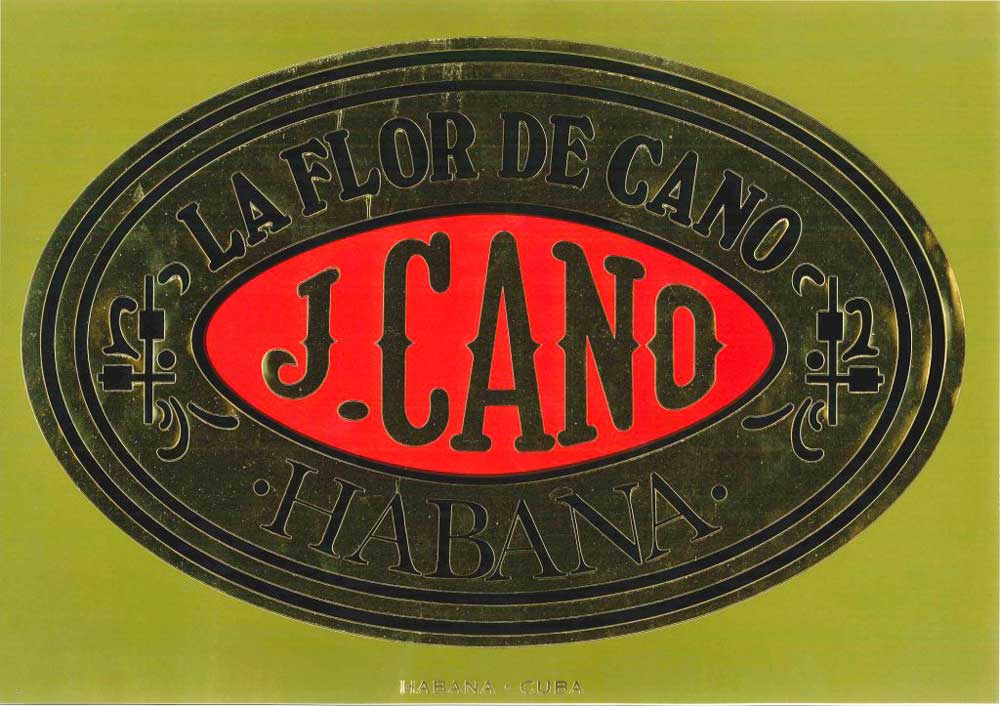
A logo of the La Flor de Cano brand, as it is still used today. (Source: Enzo A. Infante: “Havana Cigars 1817-1960”, Neptune City 1997)
The beginnings of La Flor de Cano
The story begins in 1884. At that time, brothers Tomás and José Cano, along with a partner named Loma, who was presumably financially involved, registered the company „Cano, Loma & Co.“. Little is known about the two brothers. Neither their origins nor their professional careers are known. They were registered as warehouse owners for a long time. It is possible that cigar manufacturing only served local demand.
The factory was located at Calle Rayo No. 66 in what is now the Centro Habana district – just a few steps from the magnificent Palacio Aldama (this building became the seat of the famous La Corona factory a few years later). Another manufacturing address is often mentioned: Calle Manrique No. 615. However, it is difficult to say whether production really took place there back then.
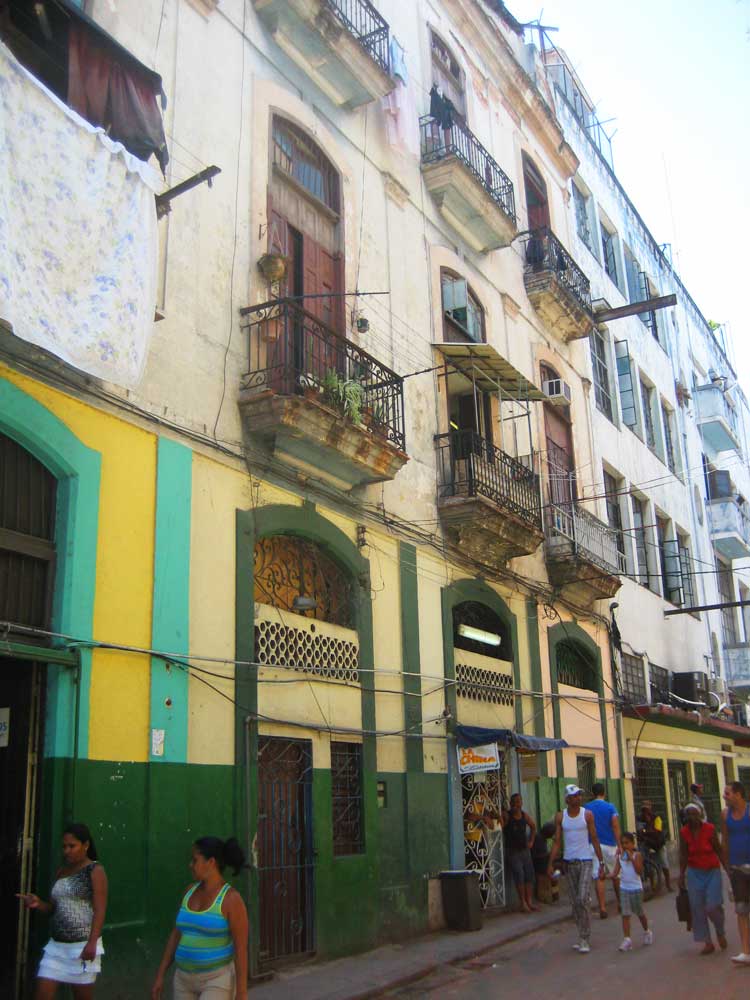
Flor de Cano Manufactories 1/6: The La Flor de Cano brand's first address at Calle Rayo No. 66 under the management of the Cano brothers; from around 1884. It is unclear until when the cigars were manufactured there.
The real rise in the 1930s
La Flor da Cano cigars suddenly come to mind in the 1930s. Whether there was any connection between this early brand and the later company, and if so, whether it was direct, familial, or economic, can no longer be proven today. Some sources assume this.
The name La Flor de Cano reappears with certainty in 1932. Juan Cano Sainz is now at the centre, leading the brand to great significance.
Juan Cano probably began making cigars in the late 1920s or early 1930s – initially in a small chinchal, a simple cigar workshop. They were handmade cigars.
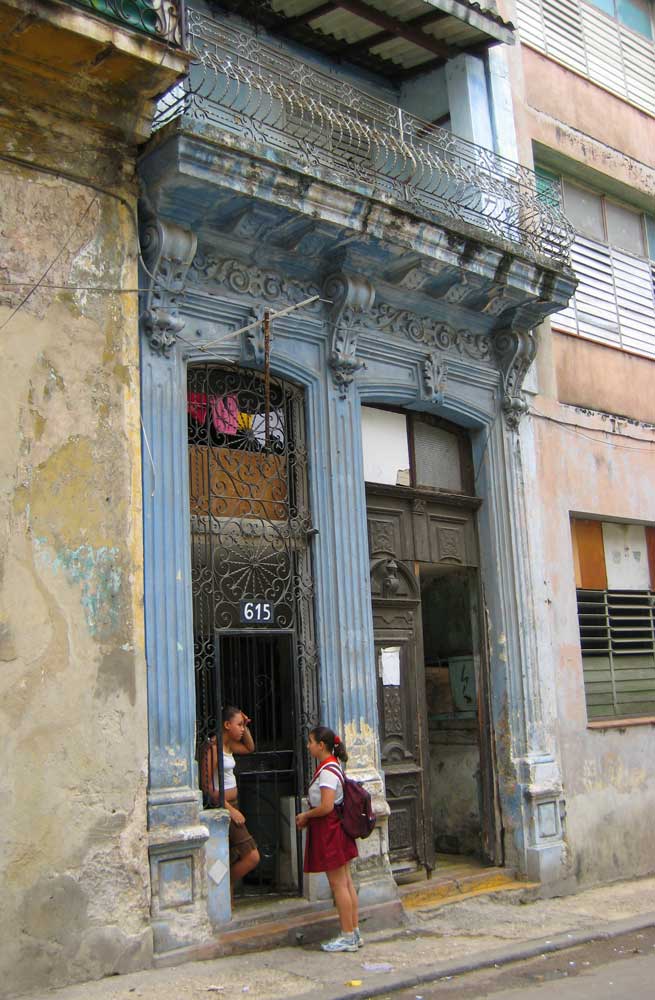
Flor de Cano production facilities 2/6: There was definitely a production facility on Calle Manrique (in the Centro Habana district) from the 1930s onwards.
Living and working under one roof
According to his grandson's memoirs, Juan Cano Sainz lived with his wife Consuelo directly above the workshop at 39 Calle Bernaza in Old Havana. Their three children, Silvia, Consuelito, and Ernesto, were also born there.
The success came surprisingly quickly. Soon, a single torcedor was no longer enough to meet demand. Another cigar roller was hired, while Juan's brothers, Alfredo and Aurelio, supported the family business. Alfredo took care of the bookkeeping, and Aurelio sourced high-quality tobacco at favourable prices.
In 1932, Juan Cano officially founded his own company, naming the brand La Flor de Cano. Manufacturing address
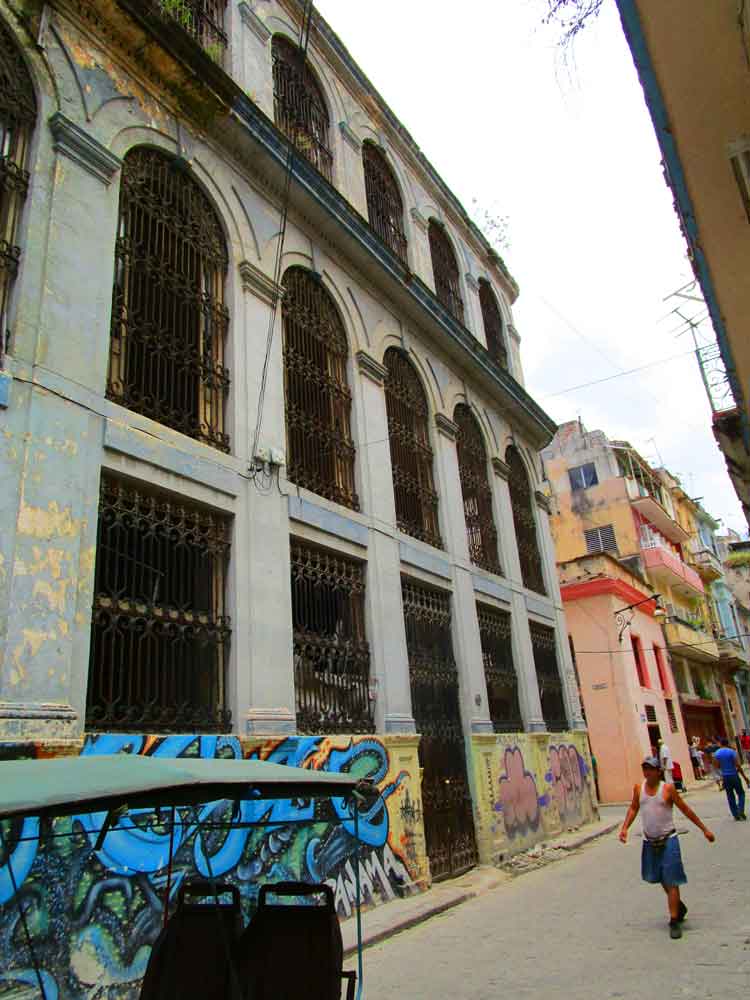
The Flor de Cano brand's factories 3/6: Juan Cano Sainz had both his residence with the first Chinchal and later a factory on Calle Bernaza in Havana's Old Town.
A modern cigar factory is being created
In 1939, Juan's son, Ernesto J. Cano, joined the family business at the age of 16. At the same time, Alfredo and Aurelio left the company. Production was expanded and another factory was established at Calle San José No. 45 (now San Martin).
In the 1940 trade register, La Flor de Cano officially appears as a registered trademark. In addition to the parent brand, the company also produced the brands Caracol, Trocadero, and La Rica Hoja. These brands were purchased by Juan Cano Sainz.
Before long, the company had to move into even larger production premises. The modern factory at Calle Figuras No. 109 housed more than 30 machines and employed over 300 staff. Every day, more than 5,000 cigars rolled off the production lines – an impressive achievement by the standards of the time.
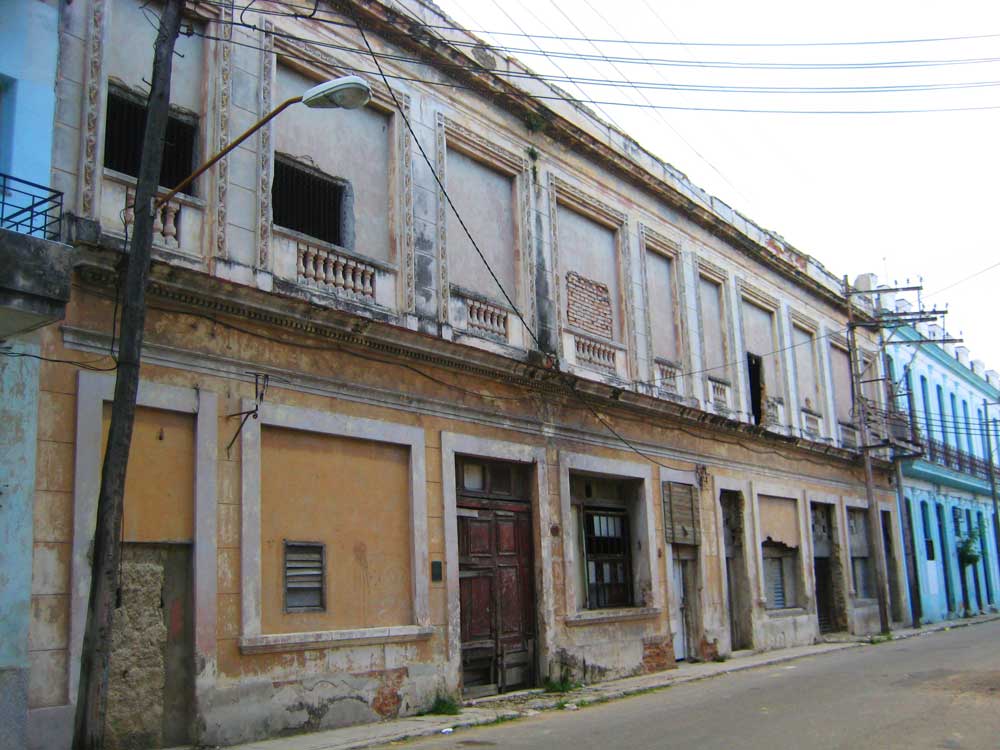
The Flor de Cano brand's manufactories at 4/6 Calle Figuras No. 109 were able to achieve larger production capacities from the 1940s onwards.
Warum La Flor de Cano in Spanien und England so erfolgreich war
The economic success was primarily based on machine-made cigars. While hand-rolled premium cigars were comparatively expensive, machine cigars could be produced in large quantities and offered at a significantly lower price.
La Flor de Cano became one of the most successful brands, particularly in Spain. Reports for 1942 indicate that La Flor de Cano, together with Partagás and H. Upmann, was one of the three best-selling Havana brands in the country. Trade relations with Spain were strong.
Cigars were also very popular in Great Britain. During the Second World War, the British military bought considerable quantities for troop supplies.
A commonly told anecdote illustrates Juan Cano's business acumen. While American buyers were reportedly paying $70 per 1,000 Partagás cigars and offering only $50 for Flor de Cano, Juan Cano rejected this offer. When a representative of the British military appeared shortly afterwards, he demanded $90 for the same quantity. The British buyer accepted the price. These transactions significantly contributed to increasing the brand's profile in the United Kingdom.
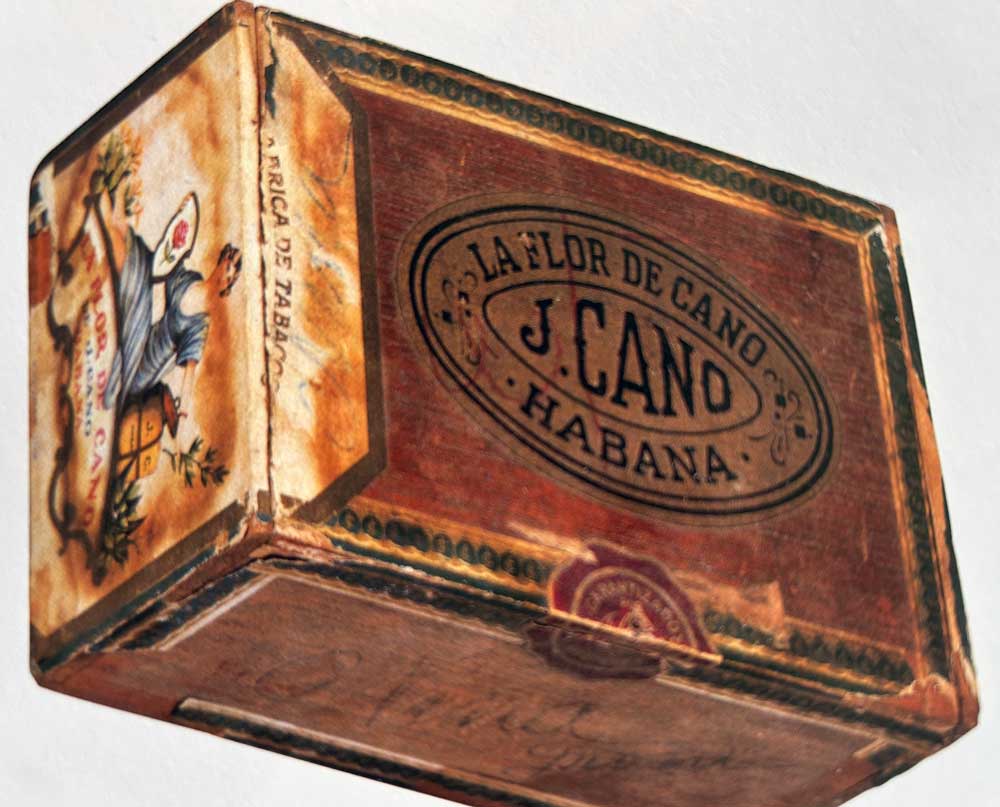
A La Flor de Cano branded box, likely from the 1940s. (Source: Min Ron Nee: “AN ILLUSTRATED ENCYCLOPAEDIA OF POST-REVOLUTION HAVANA CIGARS”, Hong Kong 2003, ISBN: 978-3980930826)
„Juan Cano & Son“
Following a stay in Spain and studies at the University of Havana, Ernesto Cano officially became a partner in the company in 1947. The firm was now trading as „Juan Cano y Hijo“ (Juan Cano and Son).
The new factory at Calle San Gabriel No. 301 was among the most modern cigar operations of its time. More than 30 machines produced thousands of cigars daily, making the company a significant employer in the Cuban cigar industry.
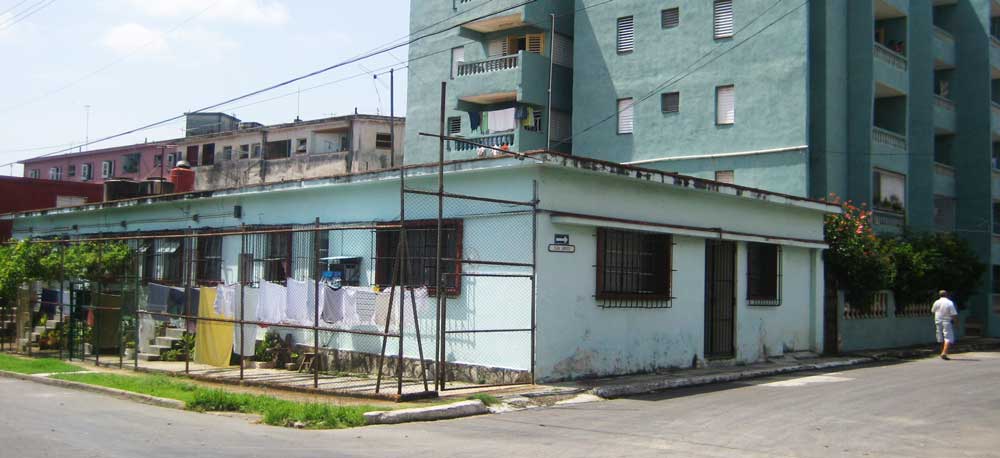
Flor de Cano Brand Manufactories 5/6: Another large production facility was established at Calle San Gabriel No. 301 (Vibora district, a bit further out).
The end of a family business
With the death of Juan Cano Sainz in 1955, the company name changed to „Hijos de J. Cano y Co.“ (Sons of J.Cano and Company). Ernesto Cano initially continued to run the business.
Following the Cuban Revolution, the business was nationalised. Ernesto Cano rejected an offer from Fidel Castro to continue working in the cigar industry, and left Cuba with his wife María and their three children, beginning a new life in exile.
In the late 1960s, the production of La Flor de Cano was moved to the „El Rey del Mundo“ factory, which was then located at Calle Belascoain No. 852. Some formats, mostly handmade, continued to be produced in the following years, but were gradually phased out.
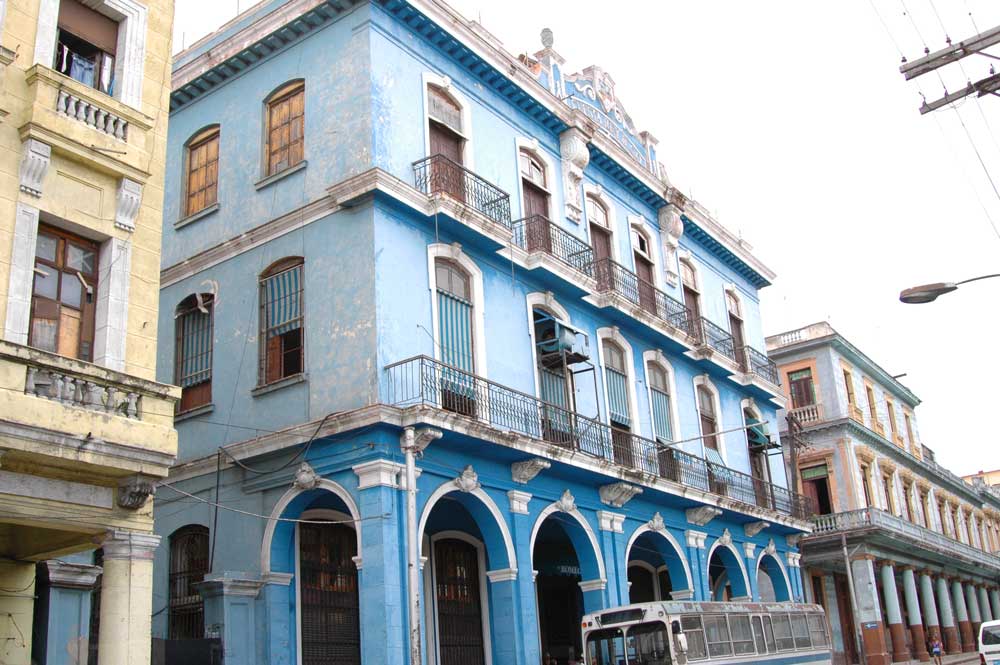
Manufactories of the Flor de Cano brand 6/6: After the revolution, in the late 1960s, cigar production was moved to the then „El Rey del Mundo factory“ at Calle Belascoain No. 852 (later the Romeo factory, today H.Upmann).
Here you will find the La Flor de Cano manufactory
If the live folder does not work, Please click here for the La Flor de Cano Manufactory.
Picture credits
- Claudia Puszkar
- Habanos S.A.
- Min Ron Nee: “AN ILLUSTRATED ENCYCLOPAEDIA OF POST-REVOLUTION HAVANA CIGARS”; Hong Kong 2003, ISBN: 978-3980930826
- Enzo A. Infante: “Havana Cigars 1817-1960” Neptune City 1997
Curated for you
External website: Experience the Habanos Club in Germany
At Origin Of Cigar: THE PLEASURE LETTER by Origin Of Cigar: A curated email celebrating the fine pleasures of Cuban cigar culture.
Historical Habanos manufactories documentary film
In this film, their stories - and their true faces - are uncompromisingly revealed. This is far more than just a documentary film - it is a journey into the soul of Cuba.

What is in your drawers?
Some chapters in the history of cigars still lie in hidden in drawers, archives or private collections. Do you own Records, documents or references to Cuban cigar brands? Or do you know Sources, that could help with historical research? Then please send us an e-mail. Claudia Puszkar will contact you personally and discuss everything else with you. Together we can Bringing buried stories back to light. 👉 admin@origin-of-cigar.com
New to Cuban cigars? Or deep into it?
FAQ - Read the frequently asked questions
Open the glossary of Cuban cigars
Who is behind Origin Of Cigar?
Who we are and how you can reach us → Please click here
La Flor de Cano Photo Gallery
If you do not see the photo gallery, Please click here for the La Flor de Cano photo gallery
References
- Min Ron Nee:
- “AN ILLUSTRATED ENCYCLOPAEDIA OF POST-REVOLUTION HAVANA CIGARS” / Hong Kong 2003, ISBN: 978-3980930826
- Instituto de Investigaciones del Tabaco Cuba:
- „The world of Habanos“ / Havana 2013, ISBN: 978-959-7212-08-9
- Adriano Martínez Rius:
- “Habano the King” / Barcelona 1998, ISBN: 84-930387-1-7
- Adriano Martinez Rius:
- “The Great Habano Factories” / Barcelona 2005, ISBN: 84-609-4024-1
- Orlando Quiroga:
- “El Habano al rojo vivo” / Havana 2002
- Enzo A. Infante:
- “Havana Cigars 1817-1960” / Neptune City 1997
- Eumelio Espino:
- “El Habano - De la semilla al puro en 539 pasos” / Madrid 2019, ISBN: 978-84-09-07091-6
- Alexander Groom:
- “El Habano Moderno” / Helios House Press 2022, ISBN: 978-911683-05-6
You are here:

 Deutsch
  Español
  English (UK)
  Français