
Juan Lopez Cigars – The insightful history of a significant Habanos brand

The history of Juan López / Juan López cigars is that of one of the former best Habanos brands. The Juan López history is over 150 years old. In many respects, it mirrors the history of other brands: a meteoric rise, long-lasting success, a slide into obscurity, and then a comeback.
Where do cigars come from?
Table of contents

The cigar band of the Juan López brand is based on the simple logo used today.
What are Juan Lopez cigars?
The brand was successful early on, was among the best-selling Havanans until the victory of the Revolution, and today has a large fan base, particularly due to numerous Edición Regionales.
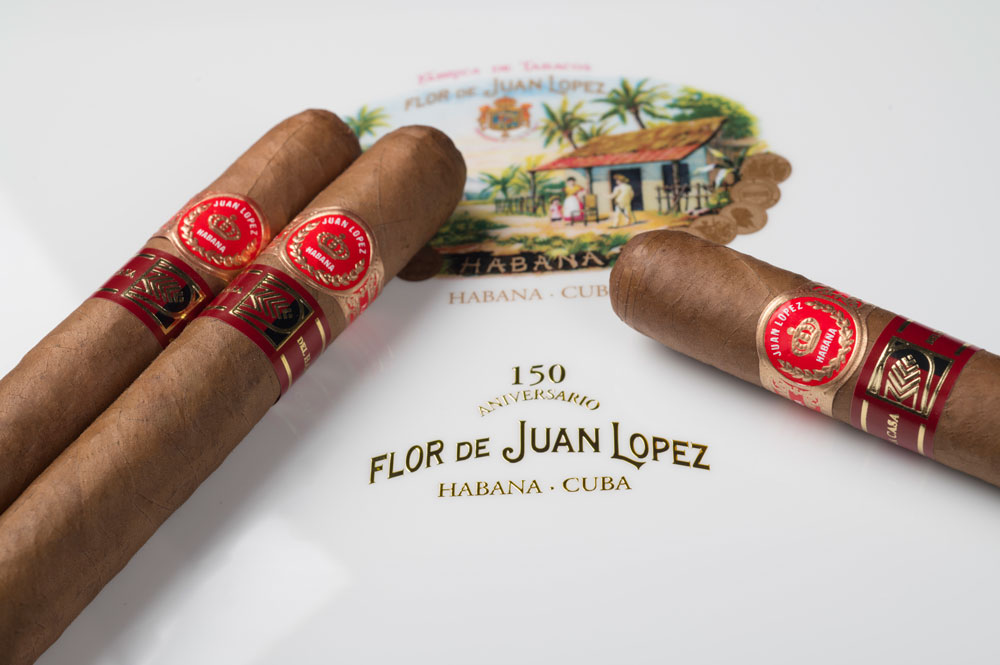
In 1876, the brand was officially registered as Flor de Juan López. Made from the finest tobaccos from Vuelta Abajo, the cigars were already among the most respected Cuban cigars of their time after just two decades. Although Habanos S.A. celebrated its 150th anniversary in 2019/2020, all available sources cite 1876 as the official registration year.
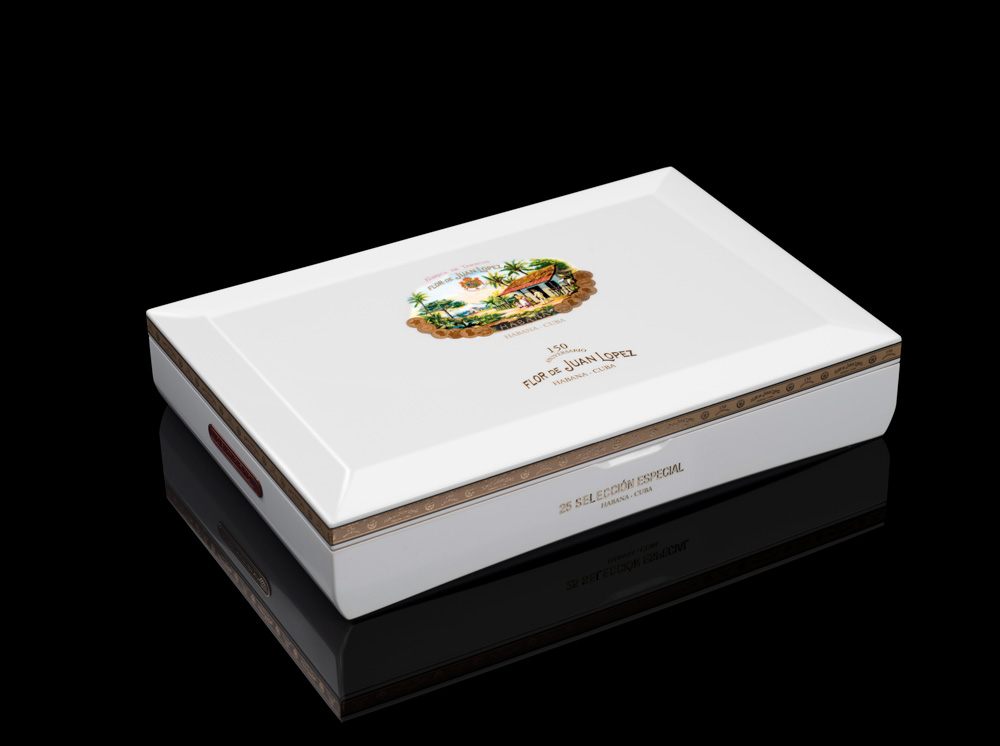
Alongside Selección No.1 and No.2, the Juan López Selección Especial has been newly added to the brand's range since 2020.
What makes Juan Lopez cigars special?
As early as 1890, Juan López cigars were so well-known that they were listed as a top cigar in the guidebook of the „Grand Hotel Pasaje“ in Havana. The hotel on Paseo del Prado, opposite the Capitol, was considered the social centre of the international cigar world at the time. Cigar manufacturers and merchants from all over the world met here.
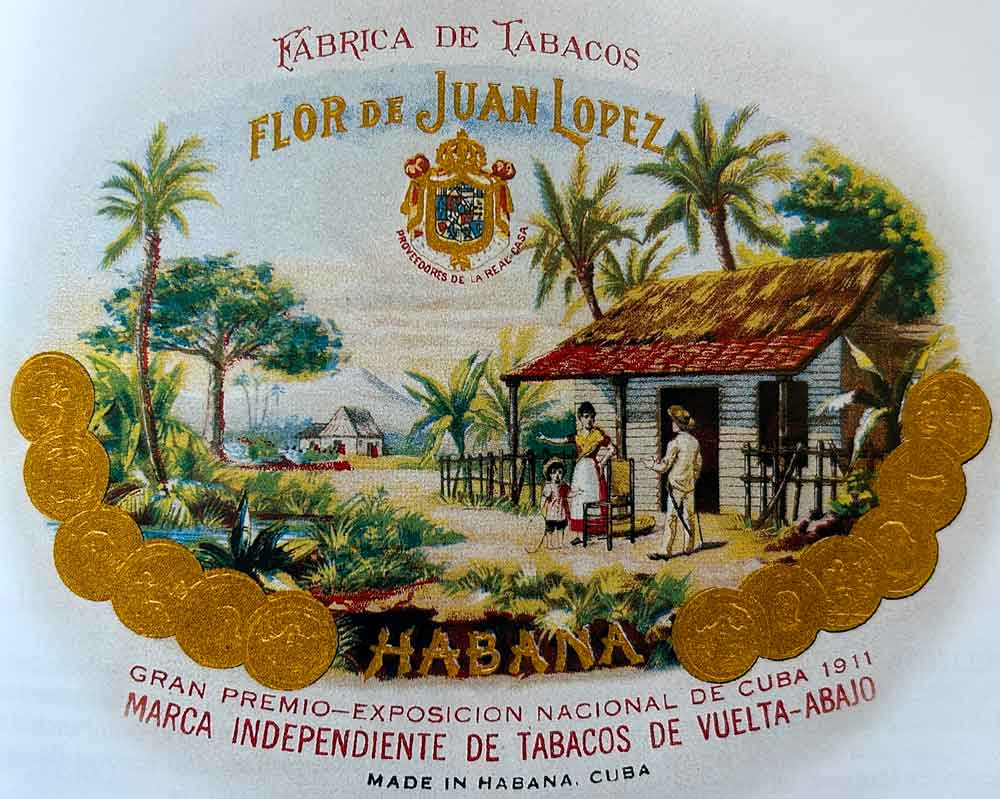
The Juan López brand logo, colourful and displaying its well-deserved gold medals.
Juan López Cigars in the context of the Habanos World
Juan López cigars were founded during the cigar boom in Cuba in the 1870s. They rapidly gained popularity. They are a legend and still exist today, even if they aren't among the very biggest players.
Facts about Juan Lopez cigars
Introduction: Originating in the early 1870s, officially registered in 1876 as Flor de Juan López
Special feature: One of the best-selling Havana brands until the revolution
Concept: Made from the finest Vuelta Abajo tobaccos and currently numerous Edición Regionales.
Production continued after the revolution until the 1970s; range expanded again in the 1990s.
How it all began…
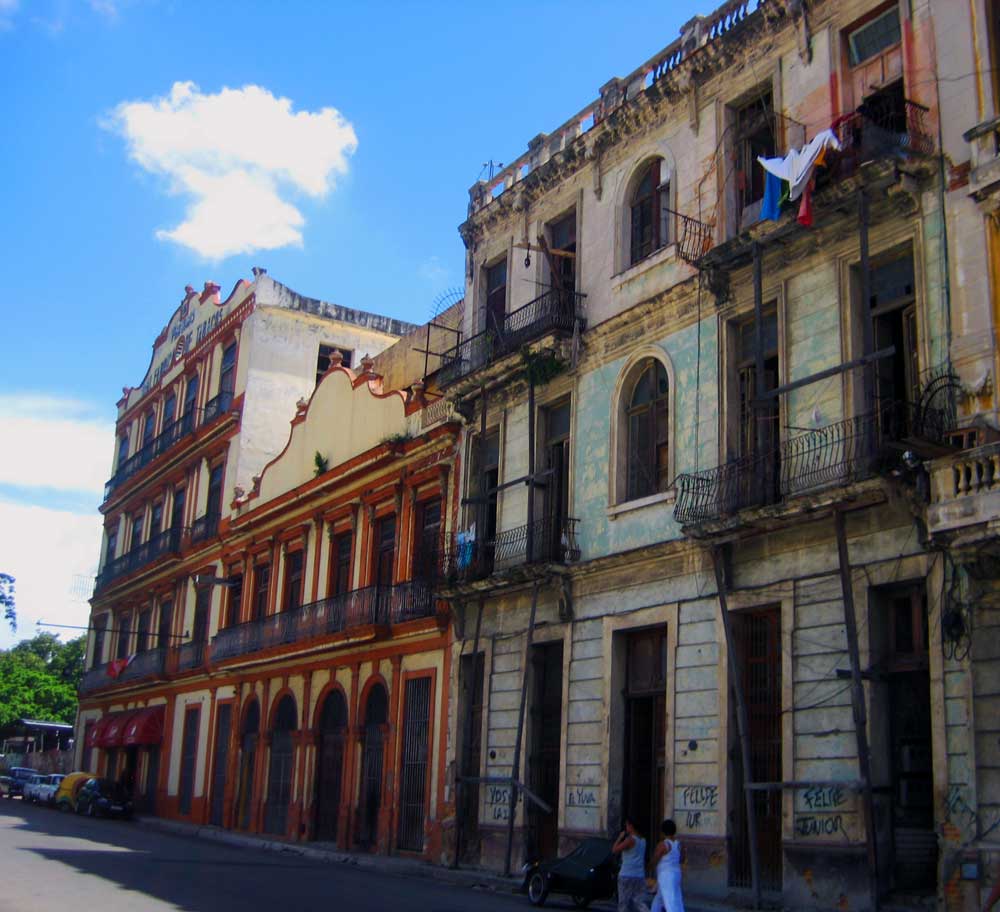
Juan López cigars are a traditional Habanos brand with origins in the early 1870s. Juan López Díaz began producing cigars at that time, which initially bore only his name. The first known company address was at 170 Calle Industria – immediately next to the later world-famous Partagás factory (No. 172 and 174) directly behind the Capitol (which didn't exist at the time). Around this time, however, Jaime Partagás's factory was still a few houses further to the right (No. 158 and 160) on the corner of Calle Cristina/Barcelona (see image).
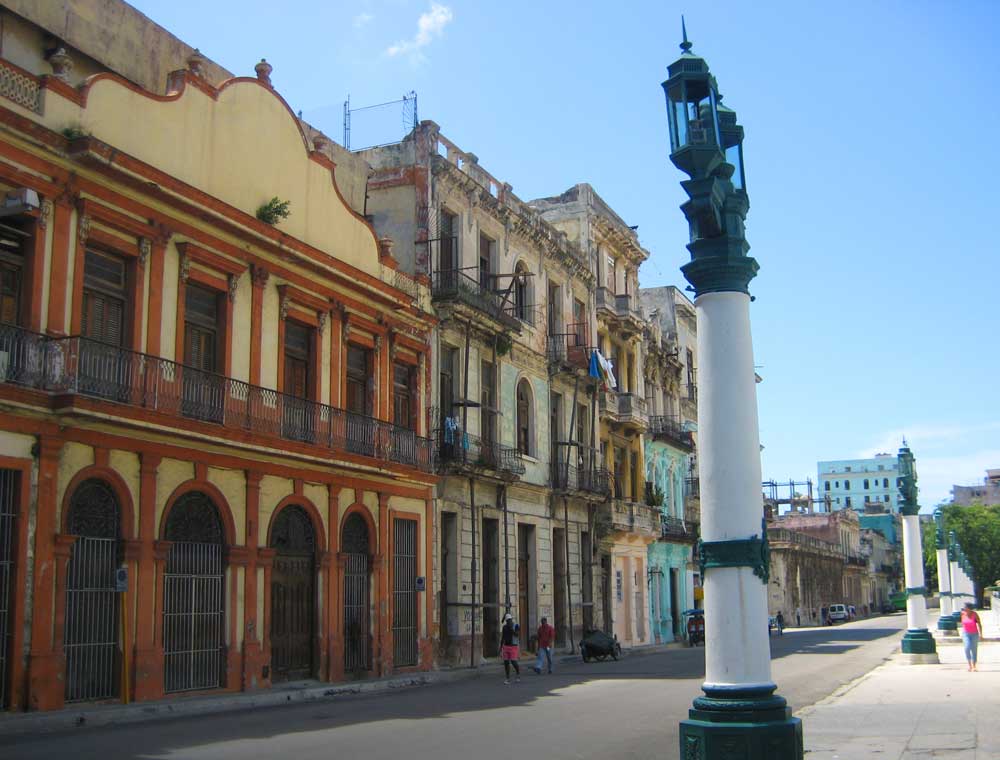
Juan López Factories 1/4: The first Juan López cigars were produced from around 1870 at Calle Industria No.170 (the house in the middle). The house on the far left of the image is Industria No.172, one of the two buildings of the later Partagás factory, formerly Villar y Villar. The building visible to the right of the pillar in the background housed the first Partagás factory from 1845-1900.
Whether Juan López and Jaime Partagás ever met is difficult to say, Jaime Partagás was murdered in 1868, but was very well-known in the city beforehand.
From 1873, Juan López Díaz acquired a distinguished neighbourhood in the form of the legendary A. Villar y Villar factory, under its owner Eugenio Juarrero. After the houses at Calle Industria 172 and 174 had been the property of Miguel Jané's tobacco warehouse for many years, they then became world-famous under Villar y Villar and subsequently under Partagás.
Juan López Díaz also owned the brands La Veneciana, La Mandolineta, El Marques de Caxias, Transcontinental, La Tarde, Facon, La Ritica, La Betica and El Bello Aroma.
The end of an era: Company founder Juan López Díaz dies
Juan López Díaz dies around 1900. After his death, a registration of the brand is found, along with some others, at Calle Dragones No. 6 and 8, according to the register, at least from 1910 under the name „Sucesores de Juan López“, the successors of Juan López.
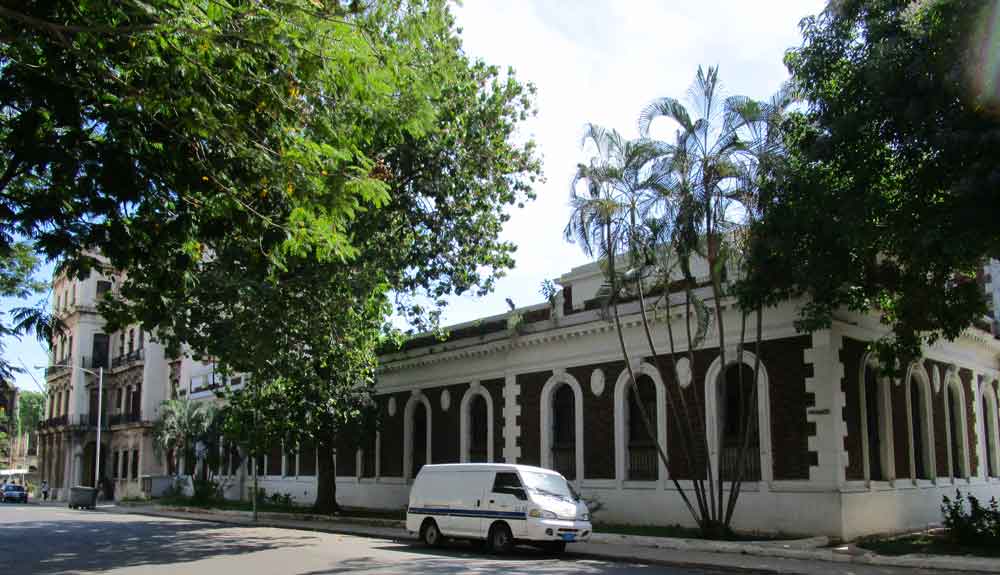
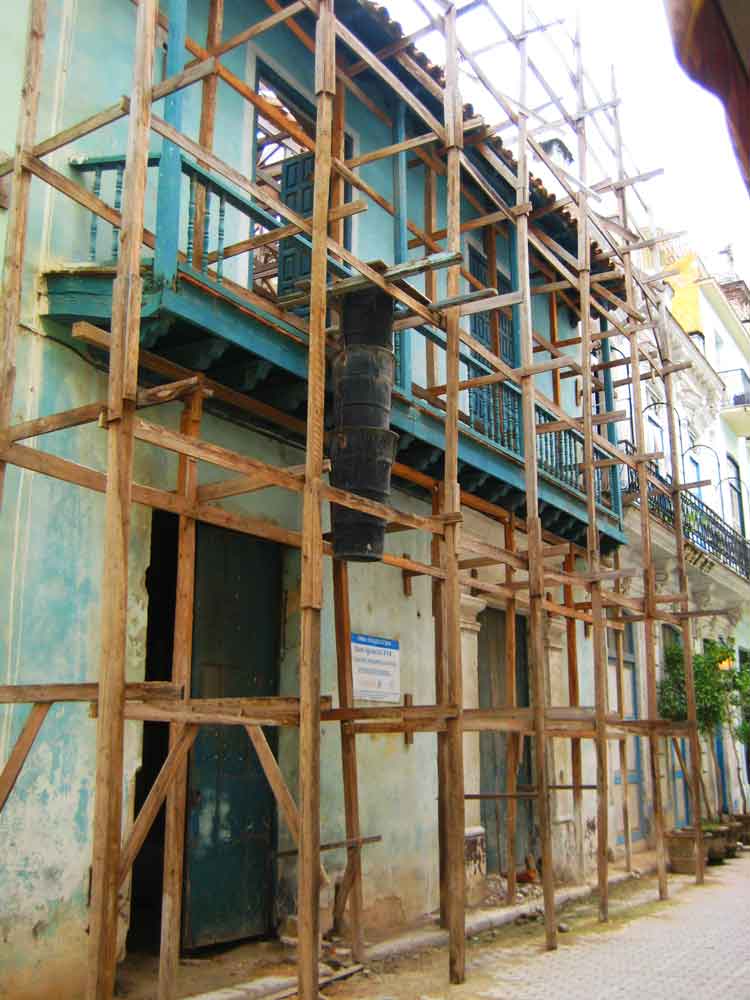
Factories of the Juan López brand 2/4: From around 1910, perhaps even a little earlier, cigars of the Juan López brand were produced at Calle Dragones No. 6 and 8, this may have been the house.
This address and Dragones Street are located just around the corner from Industria Street. It is difficult to pinpoint the exact location of the building numbered 4/6/8 today. This is because Dragones Street currently begins where the old city wall used to stand. It is not possible to determine exactly where the street began around 1870 from old city maps.
Takeover by the firm „Cosme del Peso y Cia.“
The firm „Cosme del Peso y Cia.“ likely took over the Juan López brand in the 1920s. In any case, the Flor de Juan López brand has been registered at Calle San Ignacio No. 314 since 1924. Calle San Ignacio is a small street in the Old Town of Havana that branches off directly from Plaza Vieja.
Besides the Flor de Juan López brand, the company „Cosme del Peso y Cia.“ also had the brands Flor de Tomas Gutierrez, La Igualdad and Pierrot in its portfolio. Unfortunately, nothing further is known about the production of cigars under their management.
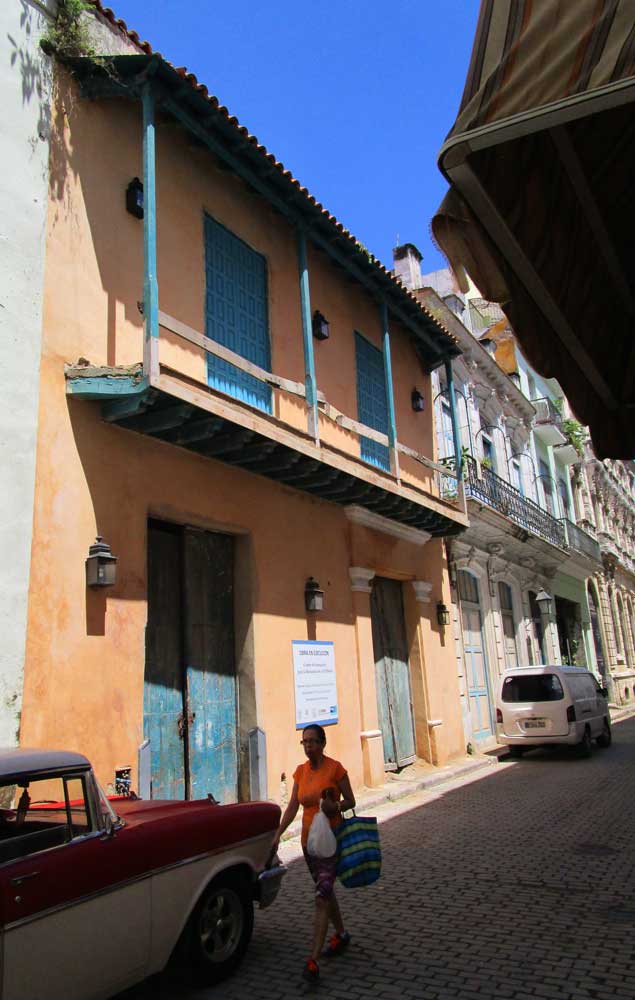
Juan López brand factories 3/4: From around 1920 to probably the 1970s, cigars of the Juan López brand were manufactured at Calle San Ignacio No. 314 (the orange house on the far left), a building in Havana's Old Town. An excellent location in itself, but logistically not perfectly situated for larger production quantities as a cigar factory.
After the revolution around 1960
It is known that production continued in this building on Calle San Ignacio even after the revolution, right up until the 1970s. Admittedly, the factory was then rather inconveniently situated for modern needs, right in the heart of Havana’s Old Town. Even today, cars are only allowed on a few streets in the Old Town, and taxis are extremely reluctant to go there. However, a factory that is supplied with tobacco and from which cigars have to be transported away needs good transport links.
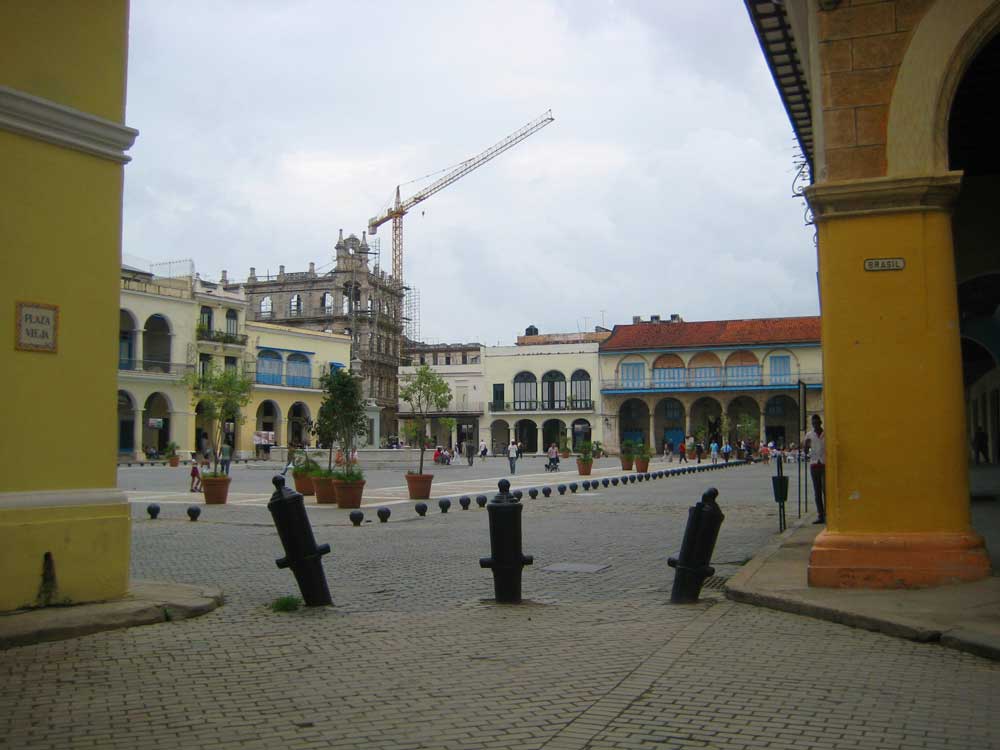
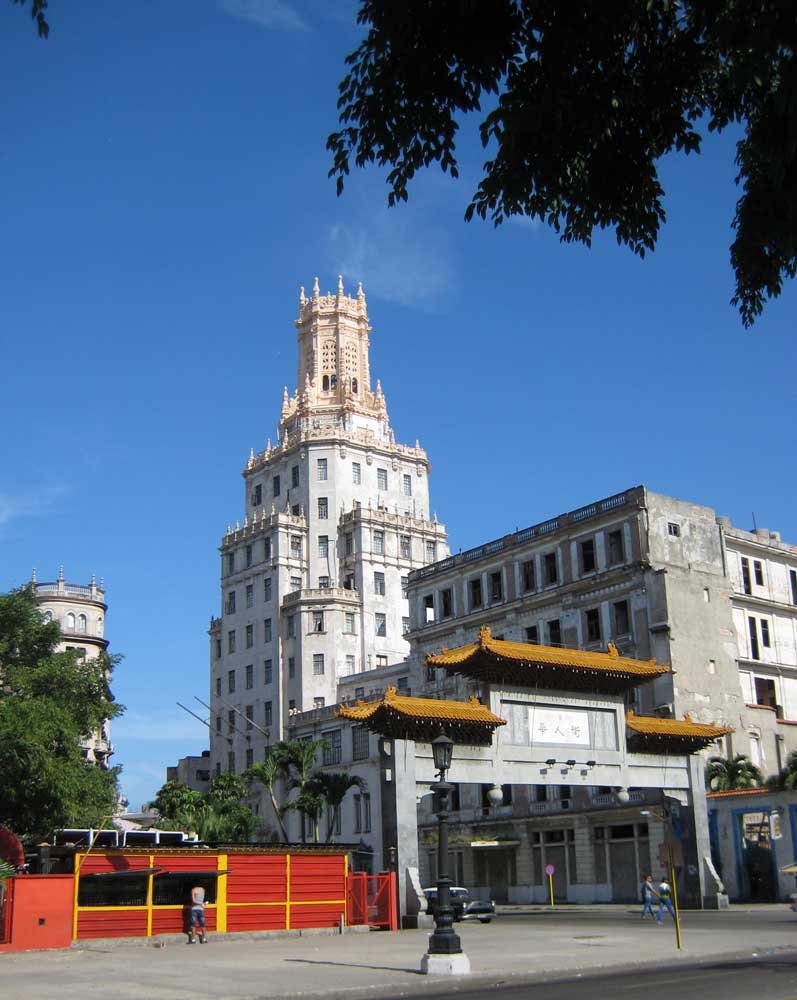
Juan López Factories 3/4: From the 1920s, the Juan López brand was owned by the firm „Cosme del Peso y Cia.“ The factory was located at Calle San Ignacio No. 314. Just a short distance from the former cigar factory is the Plaza Vieja, with the corner of the square onto Calle San Ignacio and Calle Brasil visible here.
The Path to Oblivion
The brand's popularity significantly declined during this period, from 1960 to the present day, leading to a shrinking product range. In the 1980s, only four formats were produced: Coronas, Panetelas Superba, Petit Coronas, and Patricias; even these were discontinued eventually.
It was not until the 1990s that Juan López relaunched with two new sizes: the Selección No. 1 and Selección No. 2; these had a slightly larger ring gauge but were of a similar length to the old sizes. According to Min Ron Nee, Juan López cigars are particularly well suited to long-term ageing.
The logo of the Juan López brand: once a legendary and world-famous Habanos brand.
Regional Edition: A Worldwide Comeback
Today the brand is one of the most popular for an Edición Regional. More than 30 regional special editions have already been released. For these, cigars of a new format are exclusively produced for one country in a limited number. Since only lesser-known brands may be selected for Edición Regionales, these editions in particular have significantly helped to bring Juan López cigars back into the spotlight for many aficionados.
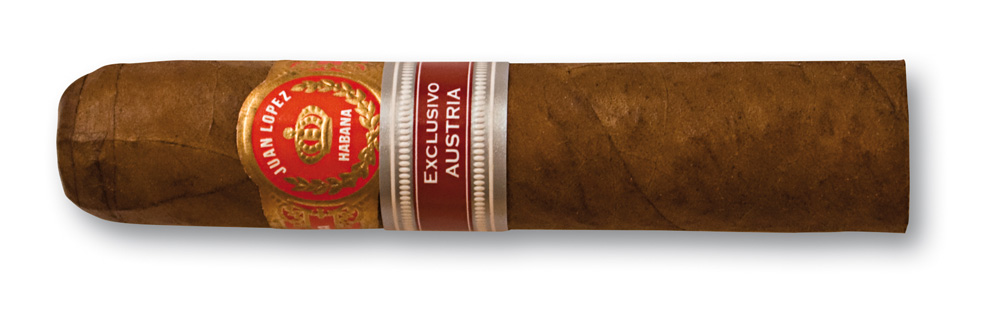
The Juan López brand is known nowadays primarily for its many Regional Editions, mostly limited to 50,000 cigars in total and available in only one country worldwide.
To the point
Juan López cigars are among the most traditional and once most significant Habanos brands. After a varied history, it is now the numerous Edición Regionales, in particular, that ensure the brand enjoys great attention worldwide once again.
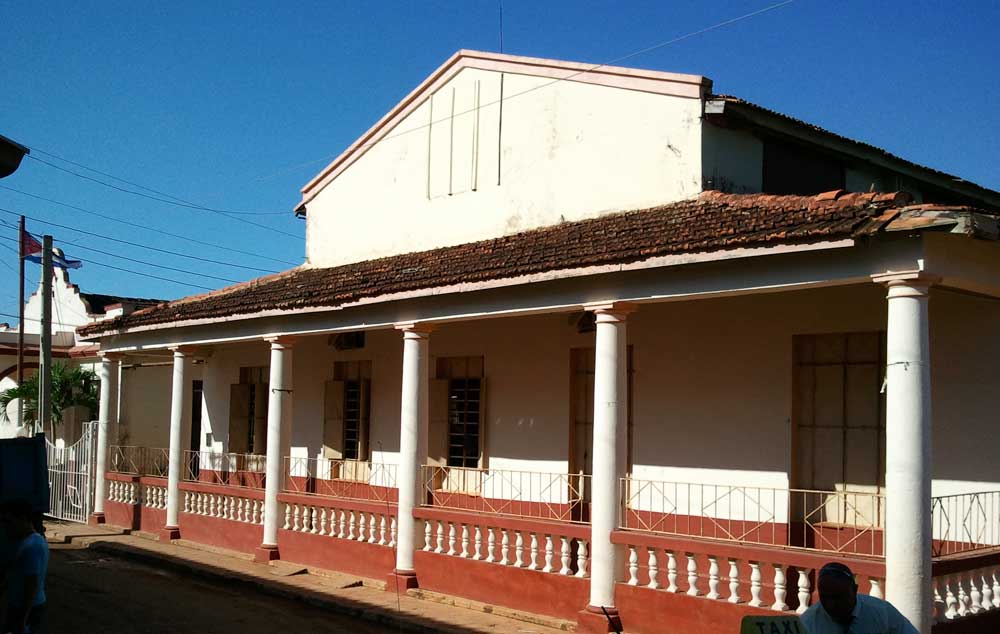
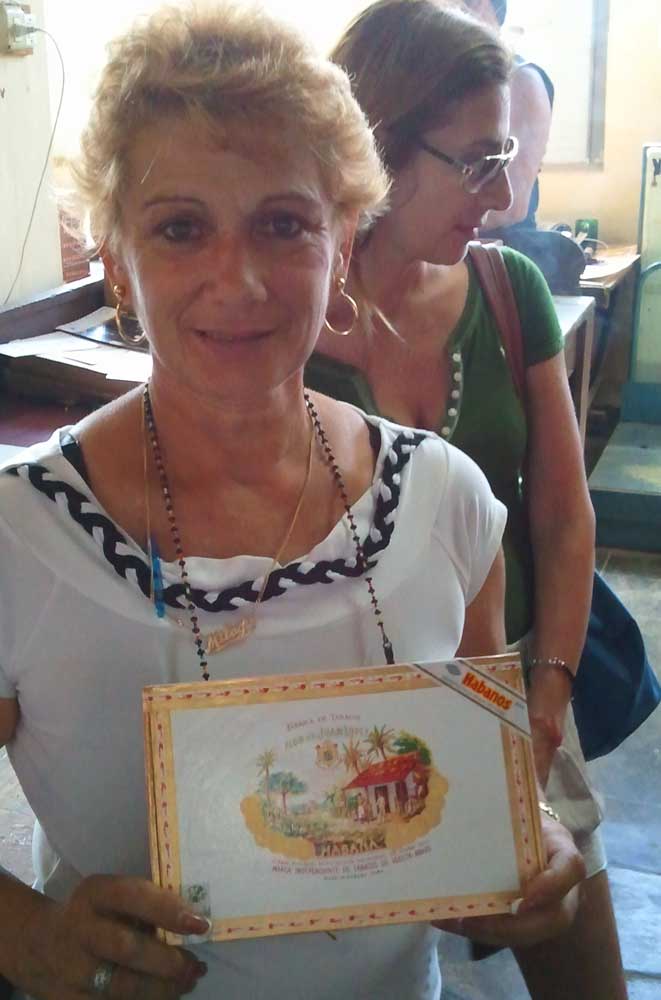
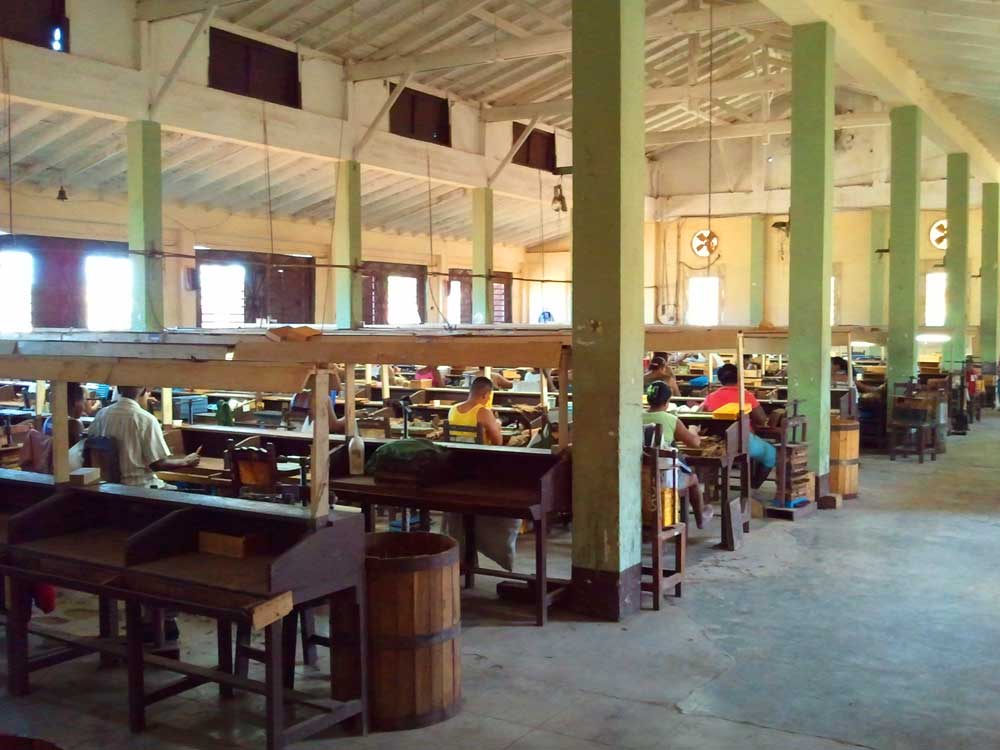
Juan López Brand Manufactories 4/4: The main headquarters of the Juan López brand is now located in San Antonio, in the province of Artemisa, south of Havana. How long specifically the cigars of the Juan López brand have been manufactured there is not known.
Here you will find the Juan López factory
If the live folder does not work, Please click here for the Juan López Manufactory.
Picture credits
- Claudia Puszkar
- Habanos S.A.
- Enzo A. Infante: “Havana Cigars 1817-1960”,Neptune City 1997
Curated for you
External website: Experience the Habanos Club in Germany
At Origin Of Cigar: THE PLEASURE LETTER by Origin Of Cigar: A curated email celebrating the fine pleasures of Cuban cigar culture.
Historical Habanos manufactories documentary film
In this film, their stories - and their true faces - are uncompromisingly revealed. This is far more than just a documentary film - it is a journey into the soul of Cuba.

What is in your drawers?
Some chapters in the history of cigars still lie in hidden in drawers, archives or private collections. Do you own Records, documents or references to Cuban cigar brands? Or do you know Sources, that could help with historical research? Then please send us an e-mail. Claudia Puszkar will contact you personally and discuss everything else with you. Together we can Bringing buried stories back to light. 👉 admin@origin-of-cigar.com
New to Cuban cigars? Or deep into it?
FAQ - Read the frequently asked questions
Open the glossary of Cuban cigars
Who is behind Origin Of Cigar?
Who we are and how you can reach us → Please click here
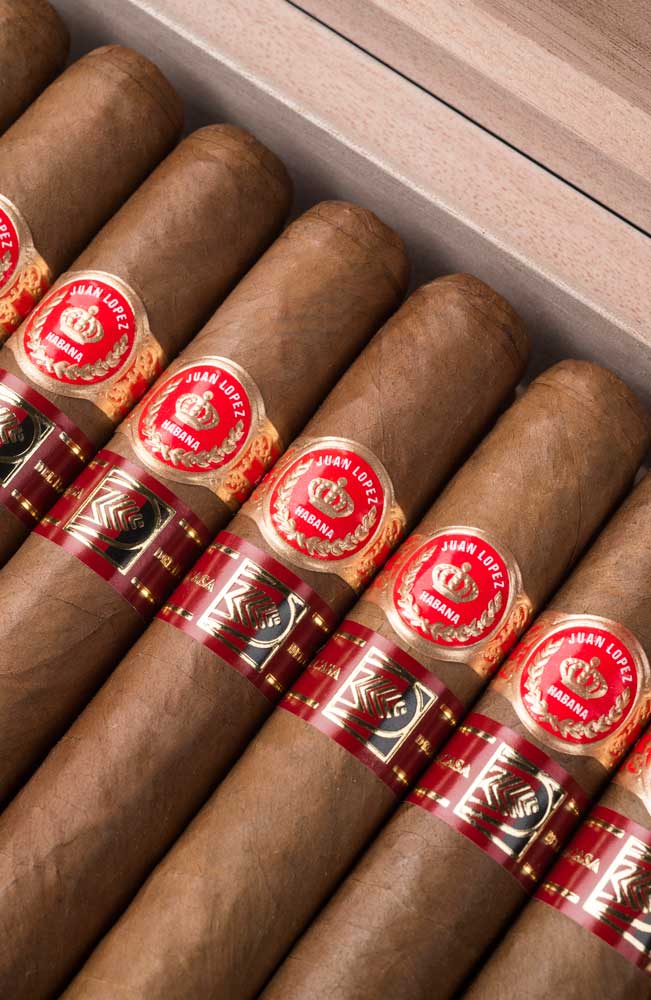
Juan López Photo Gallery
If you do not see the photo gallery, Please click here for the Juan López Photo Gallery
References
- Min Ron Nee:
- “AN ILLUSTRATED ENCYCLOPAEDIA OF POST-REVOLUTION HAVANA CIGARS” / Hong Kong 2003, ISBN: 978-3980930826
- Instituto de Investigaciones del Tabaco Cuba:
- „The world of Habanos“ / Havana 2013, ISBN: 978-959-7212-08-9
- Adriano Martínez Rius:
- “Habano the King” / Barcelona 1998, ISBN: 84-930387-1-7
- Adriano Martinez Rius:
- “The Great Habano Factories” / Barcelona 2005, ISBN: 84-609-4024-1
- Orlando Quiroga:
- “El Habano al rojo vivo” / Havana 2002
- Enzo A. Infante:
- “Havana Cigars 1817-1960” / Neptune City 1997
- Eumelio Espino:
- “El Habano - De la semilla al puro en 539 pasos” / Madrid 2019, ISBN: 978-84-09-07091-6
- Alexander Groom:
- “El Habano Moderno” / Helios House Press 2022, ISBN: 978-911683-05-6
You are here:

 Deutsch
  Español
  English (UK)
  Français
  Italiano