
Romeo y Julieta story - fascination, love and tragedy


Romeo y Julieta history - it is more than just the history of a Habanos brand. It is an expression of love, passion and death. Named after Shakespeare's tragic lovers, it embodies everything that moves the human heart: devotion, desire, loss. The story of this brand begins in the 19th century - and reads almost like a drama that could have been set on the stages of Havana.
Where do cigars come from?
Table of contents
The beginnings - love for the name
The brand Romeo y Julieta is one of the best-known Habanos brands in the world today. Its creators, the Asturians Inocencio Álvarez Rodríguez and José „Manín“ García, they officially founded the company in 1873 at the Calle San Rafael No. 87. However, they had already started producing cigars around 1850. It is still unclear why they did not choose a classic Spanish title, but instead favoured Shakespeare's love drama as the eponym. Perhaps it was due to the universal symbolism of love and death - a motif that still accompanies the brand today. This is the interesting Romeo y Julieta story.
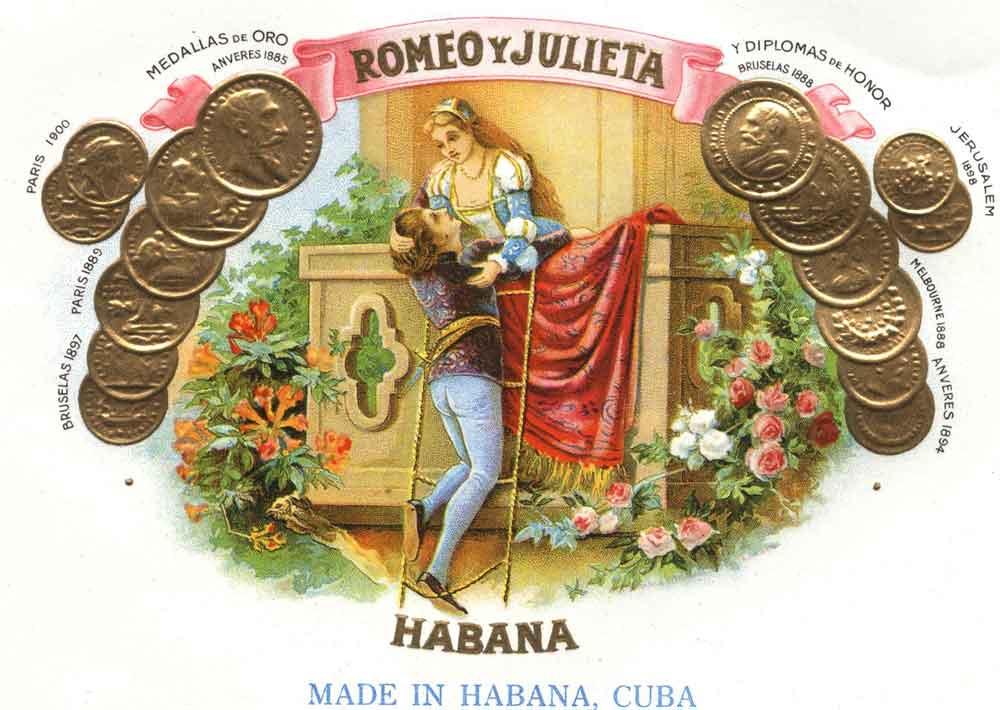
The historic logo of the Romeo y Julieta brand. The founder of the brand, Inocencio Alvarez, is said to have found the young man, or more precisely his backside, a little visually offensive.
Don Pepin - the visionary
He achieved worldwide fame Romeo y Julieta under Don Pepin, with civil name José Rodríguez Fernández, who took over the brand in 1903. Don Pepin was a brilliant businessman with vision, charm and an exceptional flair for marketing. He soon led the brand to international fame.
He was a pioneer of marketing in the cigar world. On an Atlantic crossing, he asked the famous actress María Guerrero, unrivalled in her role as the „Lady of the Camellias“, to use her name for one of his brands - charmingly accompanied by flattery and a diamond brooch. She agreed. Such gestures showed Don Pepin's understanding that cigars always tell stories.
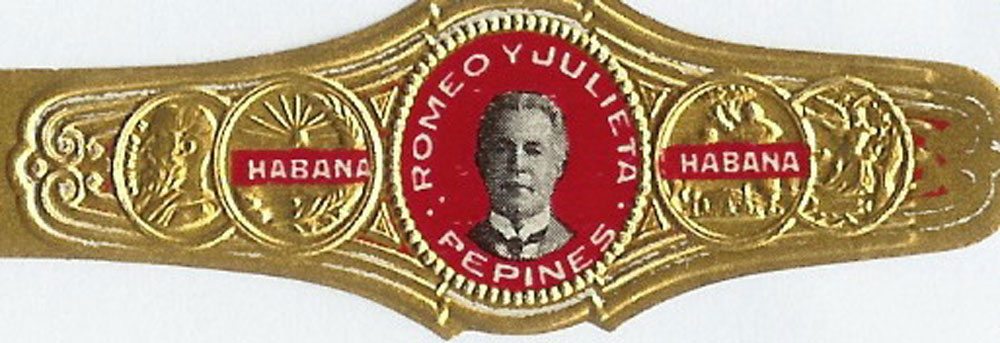
Don Pepin named a series of Romeo y Julieta cigars after himself: the Pepines.
Boldness and creativity
Don Pepin was regarded as an intrepid visionary. Contemporaries described him as „guileless and bold at the same time“ - a mixture that gave him freedom, courage and an unshakeable will. The timing of his involvement was risky: Cuba had just survived the War of Independence and the industry was dominated by British and American monopolies. But Don Pepin did not let this deter him.
He understood that the success of a brand was not only based on quality, but also on its Soul - on emotions, stories and symbols. During a reception, he said:
„As Shakespeare said, there is no tale of love sadder than that of Romeo and Juliet. My Habanos must be just as unforgettable.“
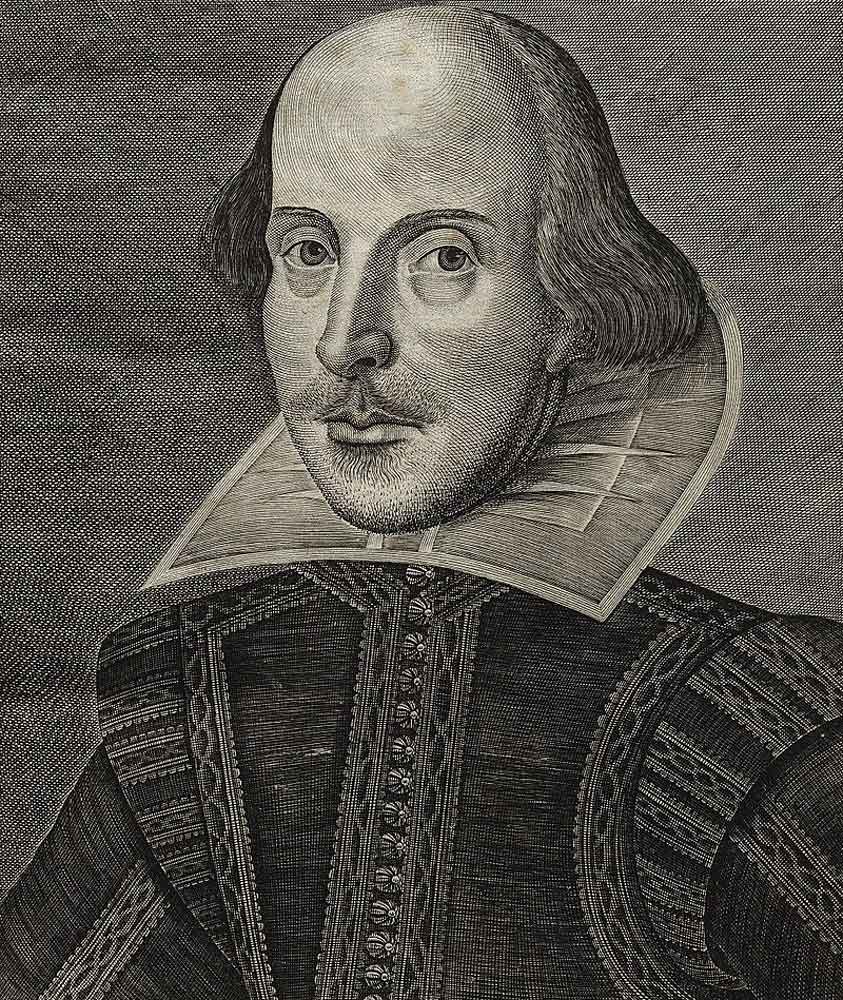
William Shakespeare also influenced cigar history with his drama.
The house on the Belascoain - Cuba's balcony of love
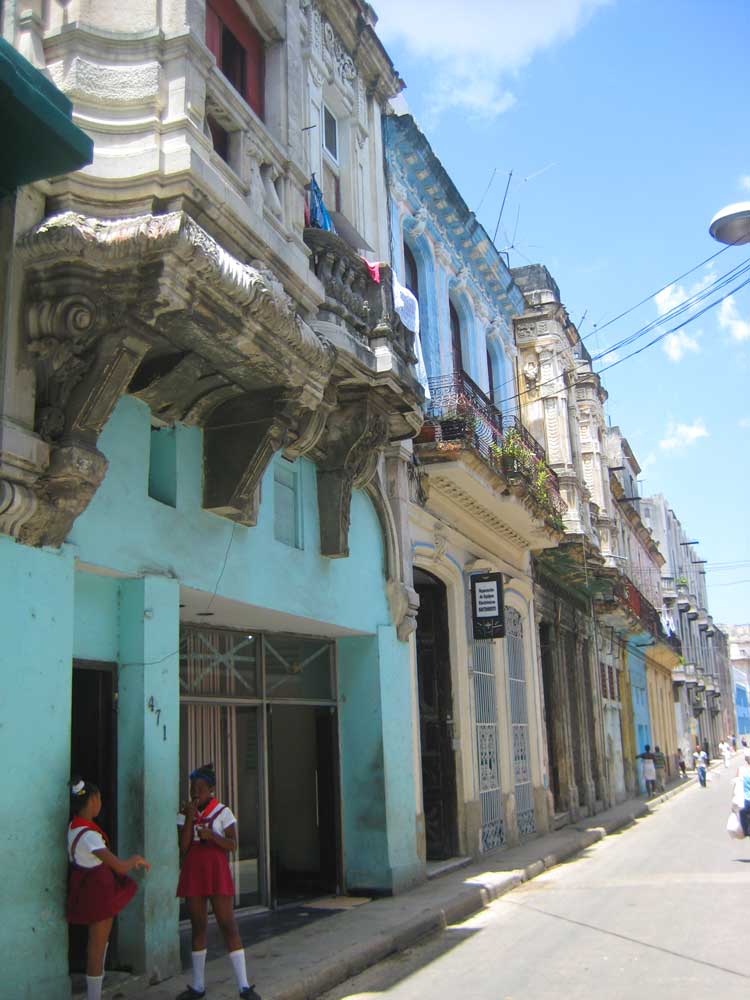
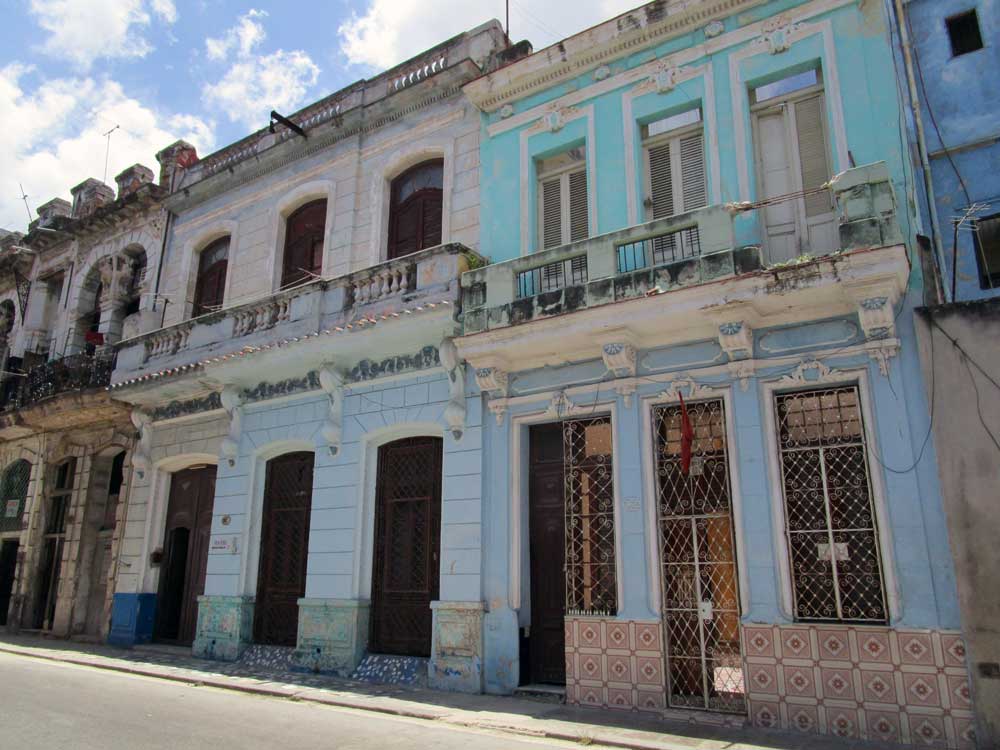
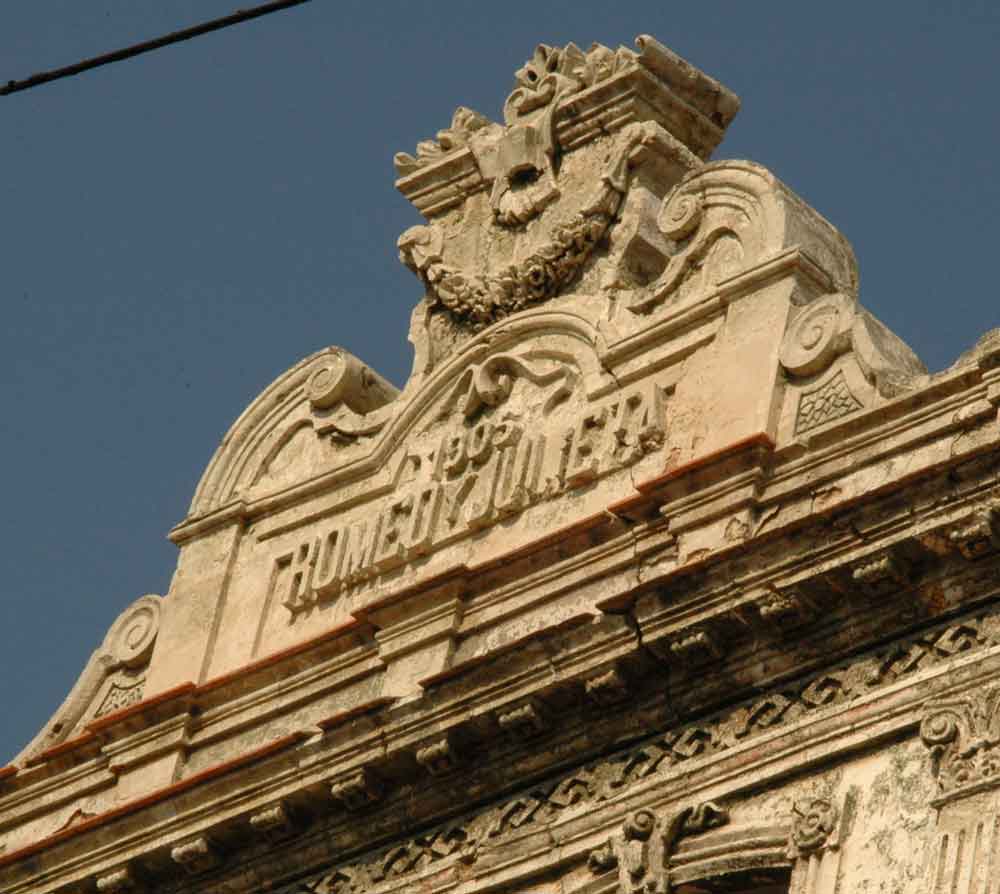
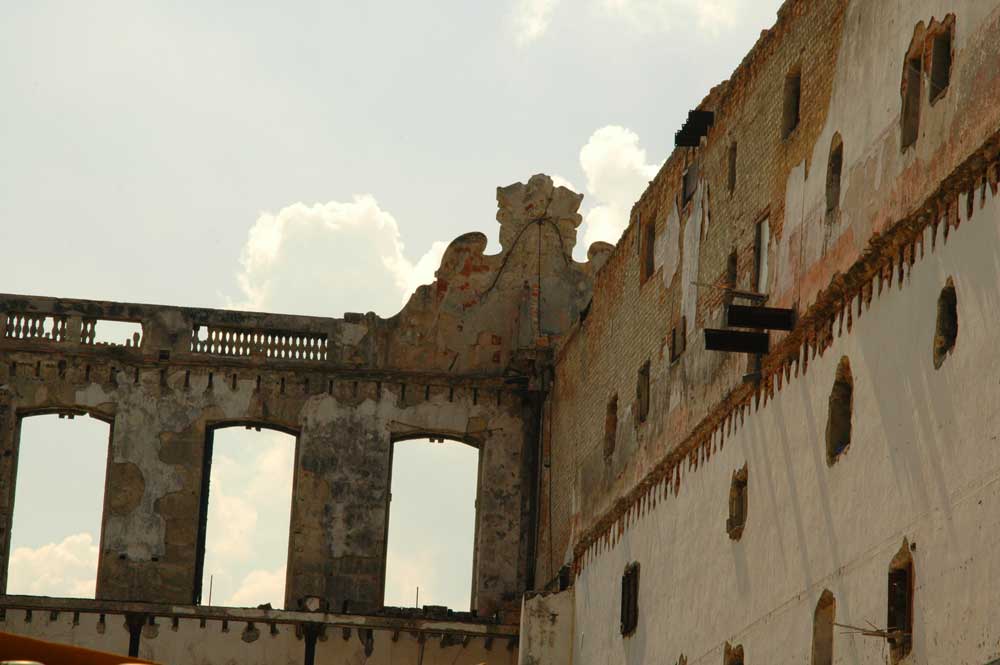
Don Pepin travelled to Verona, to buy the palace of the Capuleto family - unsuccessfully. So he created his own symbol: the Manufactory on Calle Belascoain No. 2A in Centro Habana, He modelled the building on the Palazzo Capuleto, including a faithful reproduction of Juliet's balcony.
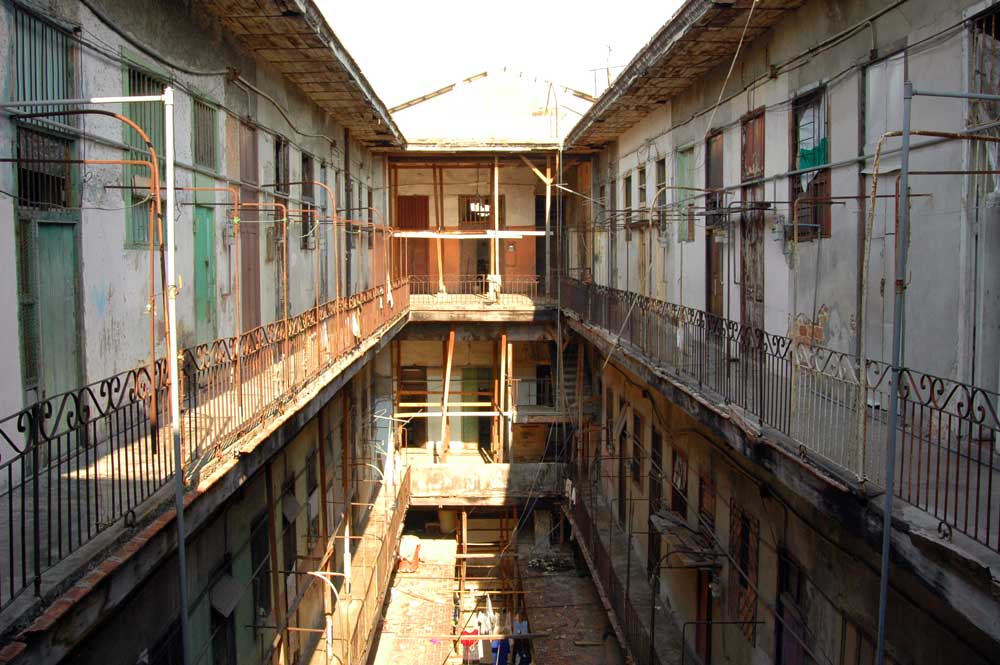
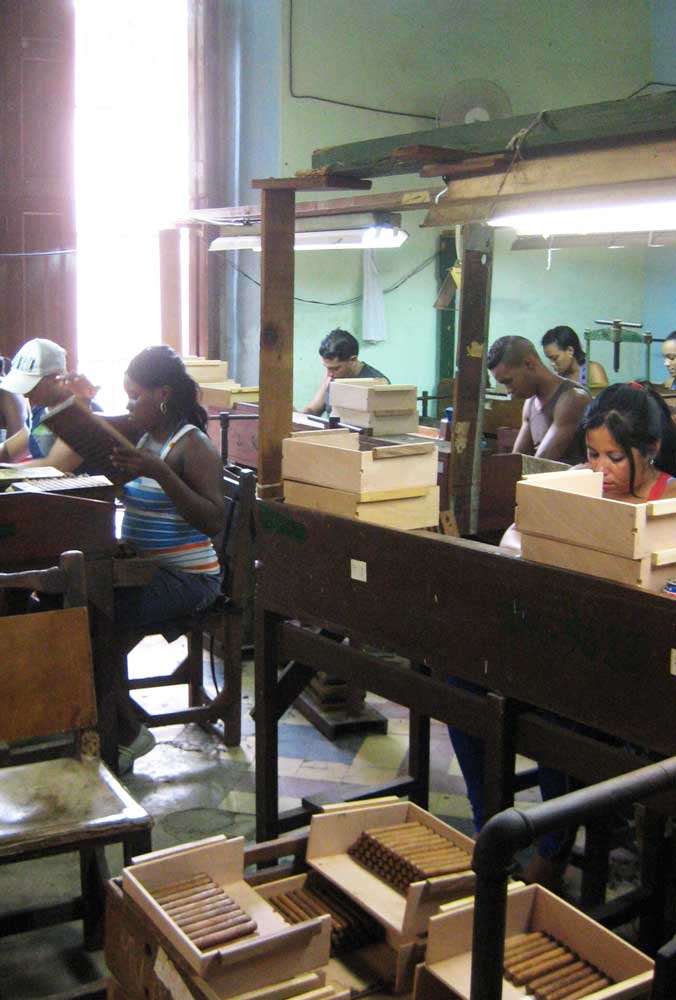
At the time of Don Pepin, around 1100 people worked there, including 750 torcedores. Production was perfectly organised - with its own fleet of lorries for fast transport to the port. Until around 1960, cigars were produced here that were shipped all over the world.
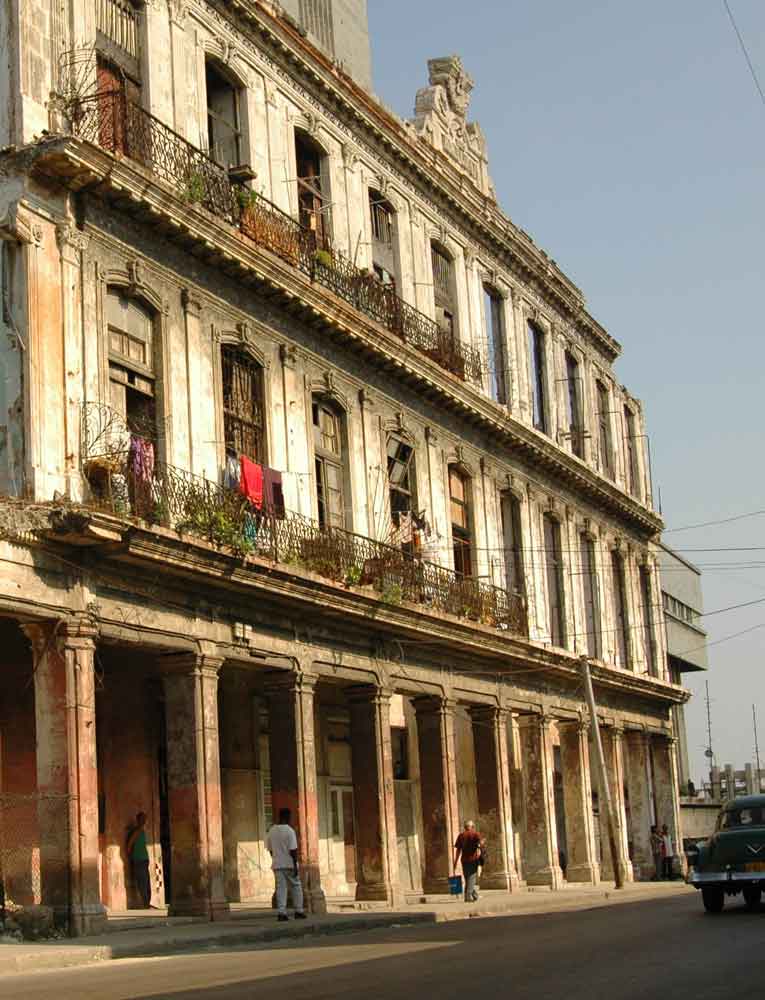
From 1903, under the new owner Don Pepin, the company moved into a large factory. Address: Calle Belascoain No.2A. A large factory, well organised with several hundred torcedores.
The cigar ring and Churchill
Don Pepin was one of the first to understand the symbolic power of the cigar ring. Customers could have customised bands made - a luxurious service that was unique at the time. In the heyday, there were up to 20,000 different cigar rings.
The brand's most famous admirer was Winston Churchill. Since his visit to Havana 1946 The legendary Vitola with a length of 178 mm and a 47 ring gauge bears his name: the „Churchill“. To this day, it is synonymous with style and greatness.
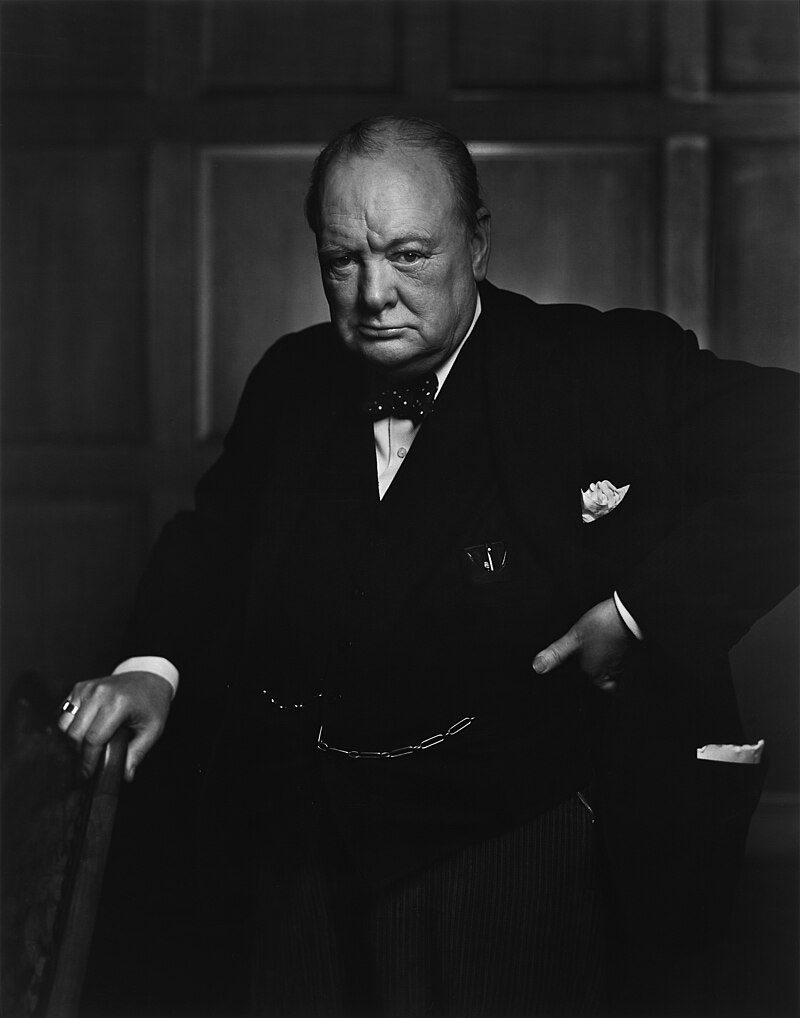
Winston Churchill, a true cigar lover, after whom a cigar or a format is rightly named.
From „El Rey del Mundo“ to „Carlos Balino“
In the 1960s Romeo y Julieta into the former El Rey del Mundo factory on the Calle Belascoain No. 852. Production was outsourced around 2000 and the building was temporarily used as a training centre. Following extensive renovation, it now houses the H.Upmann manufactory.
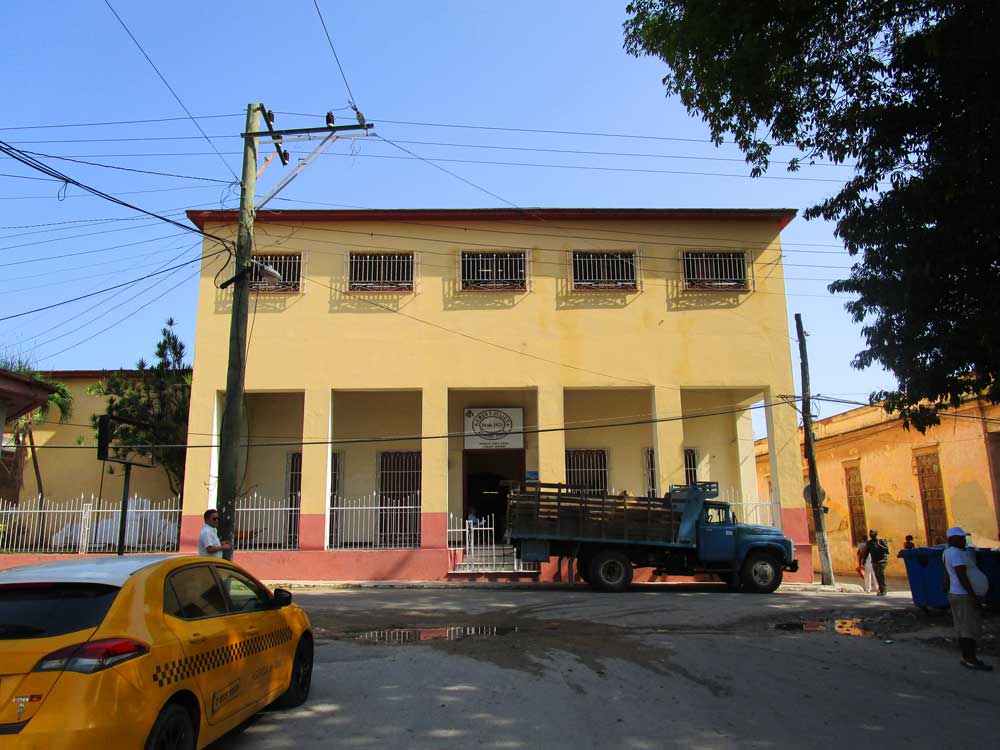
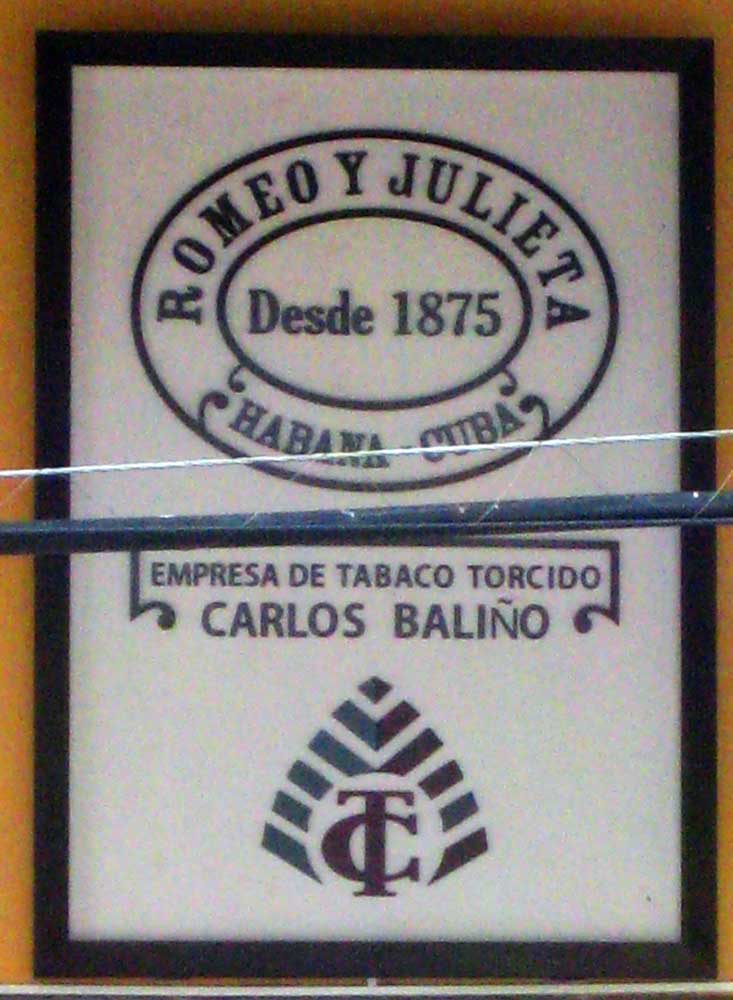
Since 2015 Romeo y Julieta found their new home: the Carlos Balino„ factory“ in the neighbourhood Marianao, near the famous Tropicana. Originally it served the brand José L. Piedra, known under the name „Héroes del Moncada“.
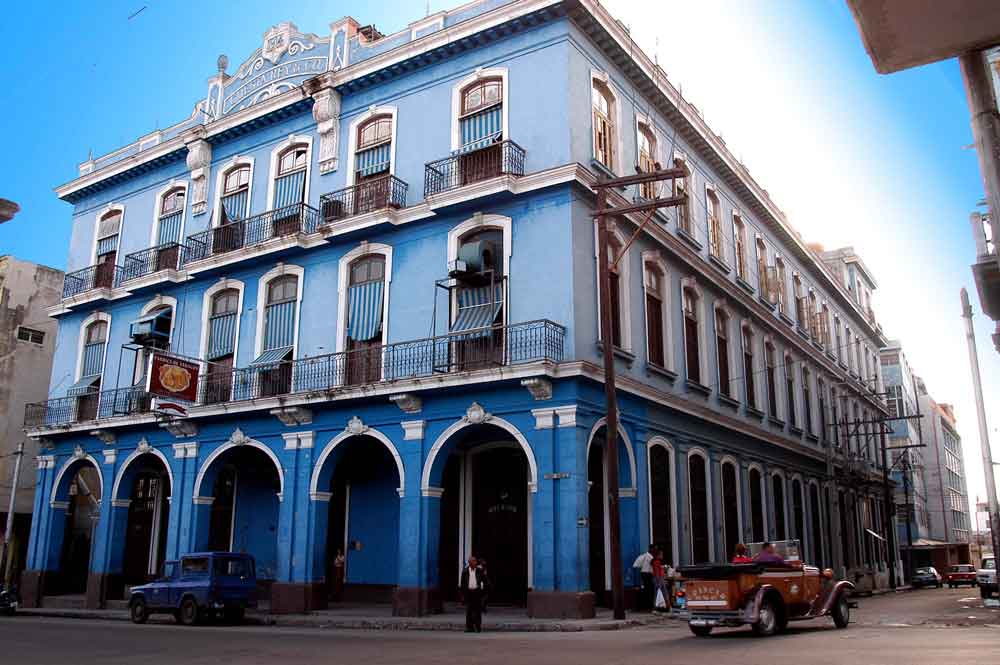
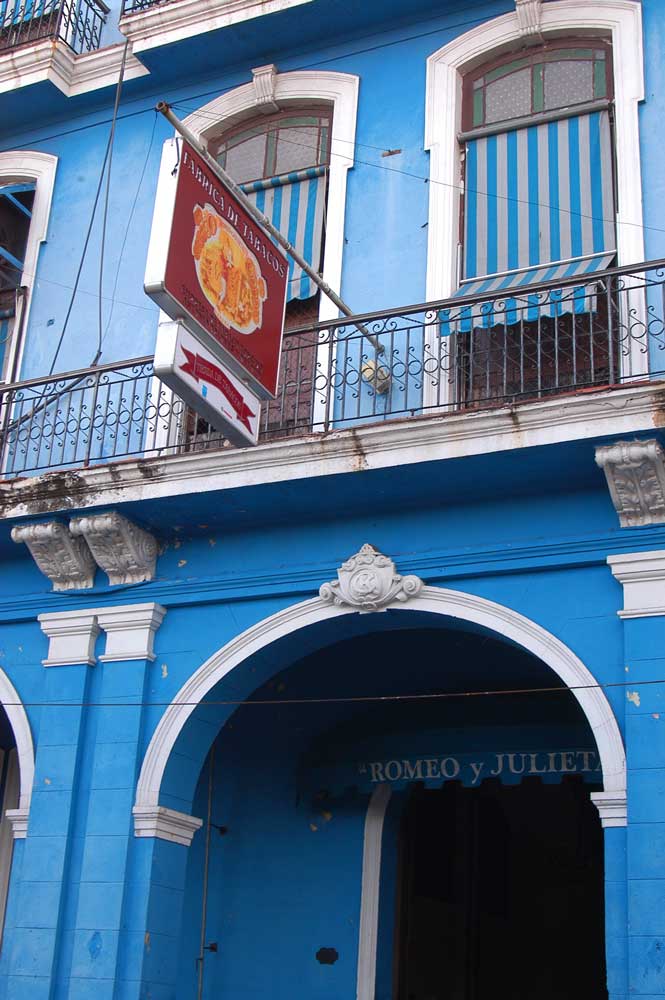
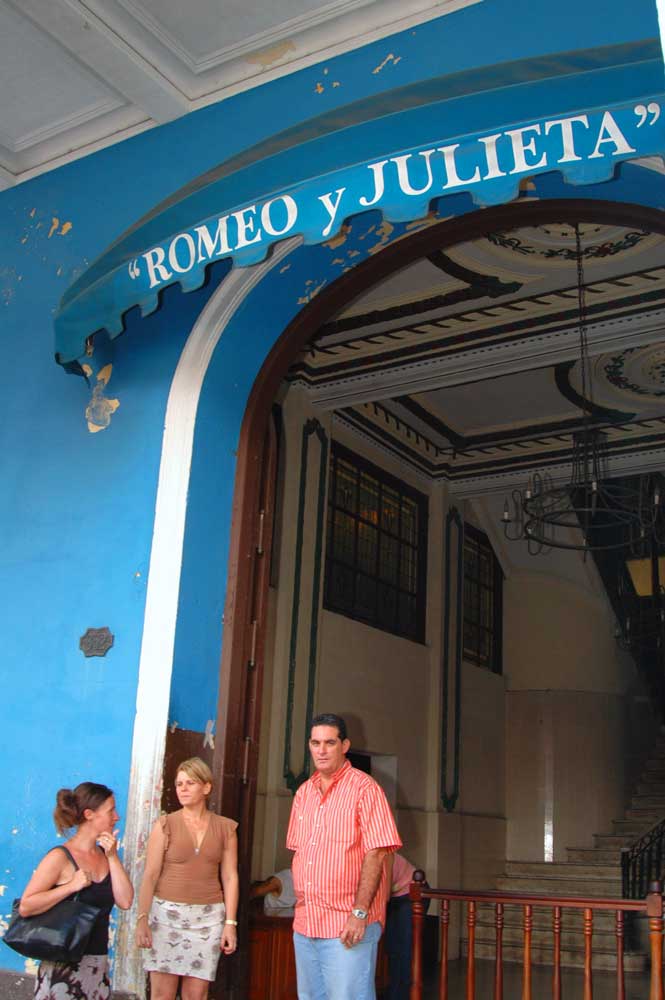
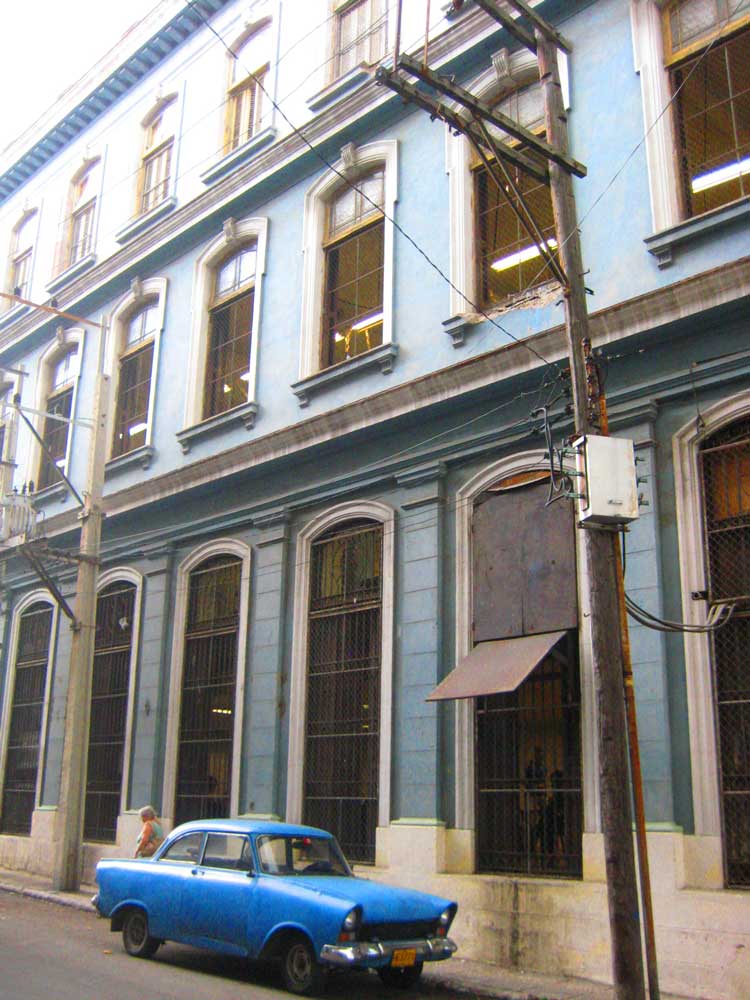
I like to call it the „Blue Factory“: the factory on Calle Belascoin No. 862, first El Rey del Mundo, then Romeo y Julieta, now the H.Upmann factory. One building, many owners, many brands. The Romeo y Julieta story is alive and well.
An eternal Romeo y Julieta story
To this day Romeo y Julieta for love, passion and perfection. The brand offers the most comprehensive selection of totalmente a mano, tripa larga-formats of all Habanos. Their story is a piece of the Cuban soul - told in smoke, flavour and emotion.
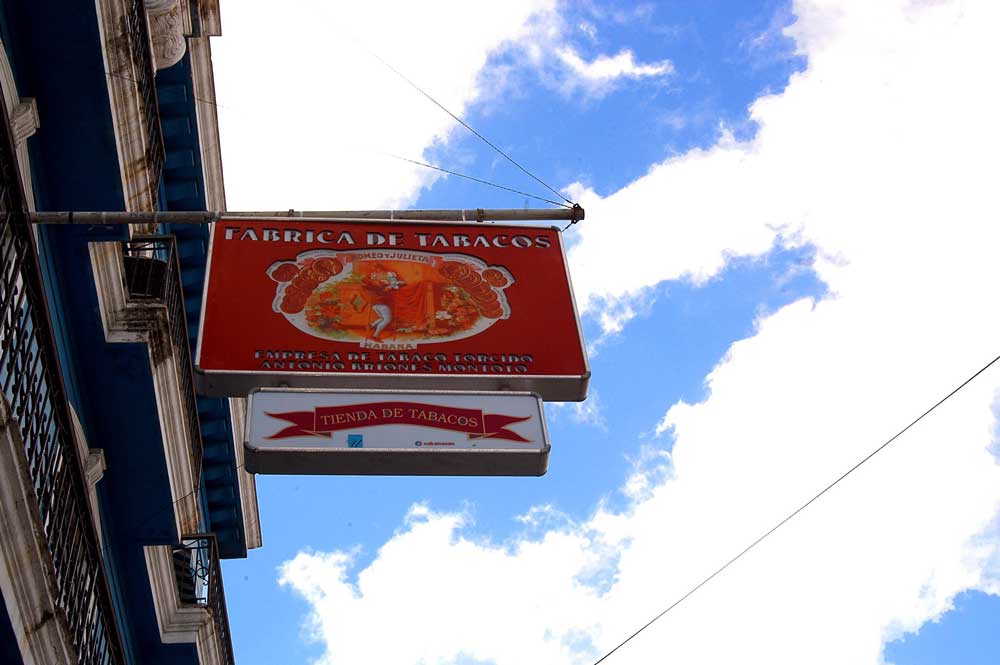
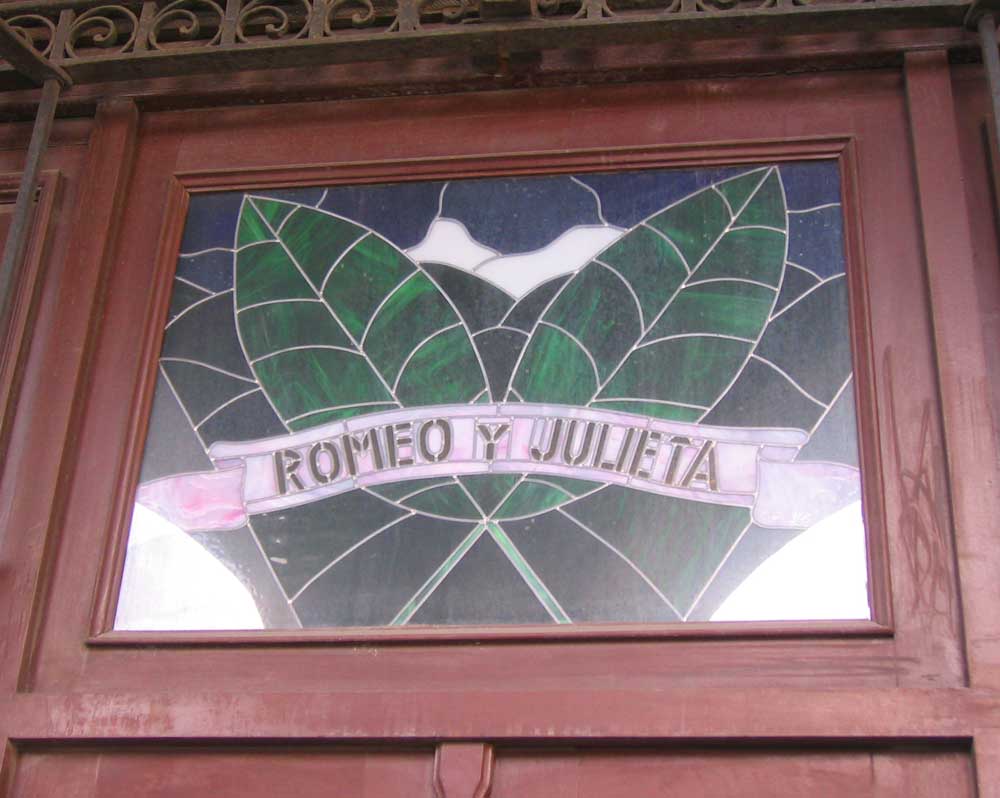
The famous Romeo y Julieta logo on the factory sign: Fabrica de Tabacos, with the official name „Antonio Briones Montoto“ (every factory in Cuba has an official name, which is not a brand name, but usually honours a brave fighter for freedom).
Here you will find the Romeo y Julieta manufactory
If the live folder does not work, please click here to visit the Romeo y Julieta manufactory.
Picture credits
- Claudia Puszkar
- Logo Romeo y Julieta: Habanos S.A.
- Cigar ring „Pepines“: Min Ron Nee:
- “AN ILLUSTRATED ENCYCLOPAEDIA OF POST-REVOLUTION HAVANA CIGARS” / Hong Kong 2003, ISBN: 978-3980930826
- Portrait of William Shakespeare: Wikipedia
- Photo Winston Churchill: Wikipedia
Curated for you
External website: Romeo y Julieta history at Wikipedia
At Origin Of Cigar: PDF Tasting Tool directly to your mailbox!
Historical Habanos manufactories documentary film
In this film, their stories - and their true faces - are uncompromisingly revealed. This is far more than just a documentary film - it is a journey into the soul of Cuba.

What is in your drawers?
Some chapters in the history of cigars still lie in hidden in drawers, archives or private collections. Do you own Records, documents or references to Cuban cigar brands? Or do you know Sources, that could help with historical research? Then please send us an e-mail. Claudia Puszkar will contact you personally and discuss everything else with you. Together we can Bringing buried stories back to light. 👉 admin@origin-of-cigar.com
New to Cuban cigars? Or deep into it?
FAQ - Read the frequently asked questions
Open the glossary of Cuban cigars
Who is behind Origin Of Cigar?
Who we are and how you can reach us → Please click here
Romeo y Julieta Photo Gallery
If you do not see the photo gallery, please click here for the Romeo y Julieta photo gallery


References
- Min Ron Nee:
- “AN ILLUSTRATED ENCYCLOPAEDIA OF POST-REVOLUTION HAVANA CIGARS” / Hong Kong 2003, ISBN: 978-3980930826
- Instituto de Investigaciones del Tabaco Cuba:
- „The world of Habanos“ / Havana 2013, ISBN: 978-959-7212-08-9
- Adriano Martínez Rius:
- “Habano the King” / Barcelona 1998, ISBN: 84-930387-1-7
- Adriano Martinez Rius:
- “The Great Habano Factories” / Barcelona 2005, ISBN: 84-609-4024-1
- Orlando Quiroga:
- “El Habano al rojo vivo” / Havana 2002
- Enzo A. Infante:
- “Havana Cigars 1817-1960” / Neptune City 1997
- Eumelio Espino:
- “El Habano - De la semilla al puro en 539 pasos” / Madrid 2019, ISBN: 978-84-09-07091-6
- Alexander Groom:
- “El Habano Moderno” / Helios House Press 2022, ISBN: 978-911683-05-6
You are here:


 Deutsch
  Español
  English (UK)
  Français
  Italiano