
Sancho Panza Cigars: The Fascinating Brand That Waited Almost 100 Years for Its Breakthrough

Sancho Panza cigars are among Cuba's most traditional brands. Their eventful history began as far back as 1848 in Havana.
Where do cigars come from?
Table of contents
For almost a century, Sancho Panza led a shadowy existence. Today, the brand is one of the most respected names in the Habanos world and was at times even the most popular cigar in Spain. Sancho Panza cigars are among the oldest Cuban cigar brands and were founded in Havana as early as 1848.
What are Sancho Panza cigars?
Sancho Panza cigars are a traditional Cuban brand, founded in 1848 by the German Emilio Ohmstedt. Along with El Rey del Mundo, the brand was created in a small factory at 48 Calle Angeles in Havana. Today, Sancho Panza cigars enjoy an excellent reputation worldwide among experienced aficionados.
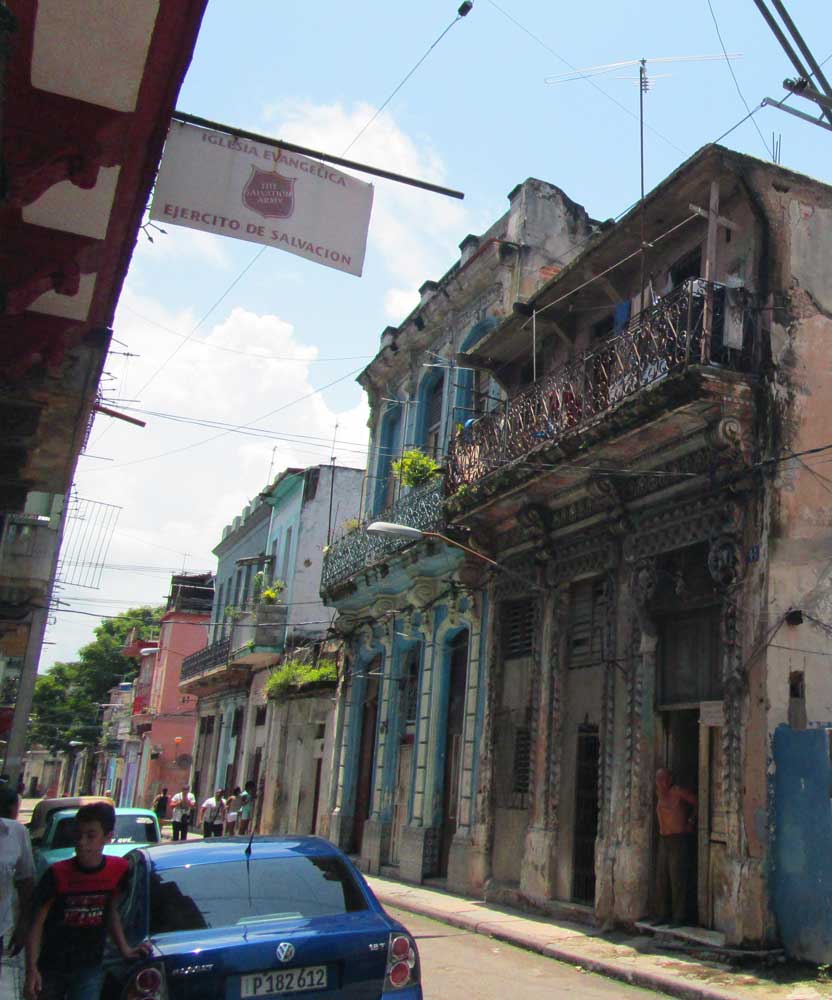
Emilio Ohmstedt produced Sancho Panza brand cigars from 1848 in a small manufactory on Calle Angeles in Havana's Centro Habana district.
What makes Sancho Panza cigars special?
The brand's history is extraordinary. Although Sancho Panza was founded way back in 1848, it took almost 100 years for the brand to achieve lasting success. Several changes of ownership, economic difficulties, and even production stoppages marked the early decades. The brand's real rise only began from 1930 onwards.
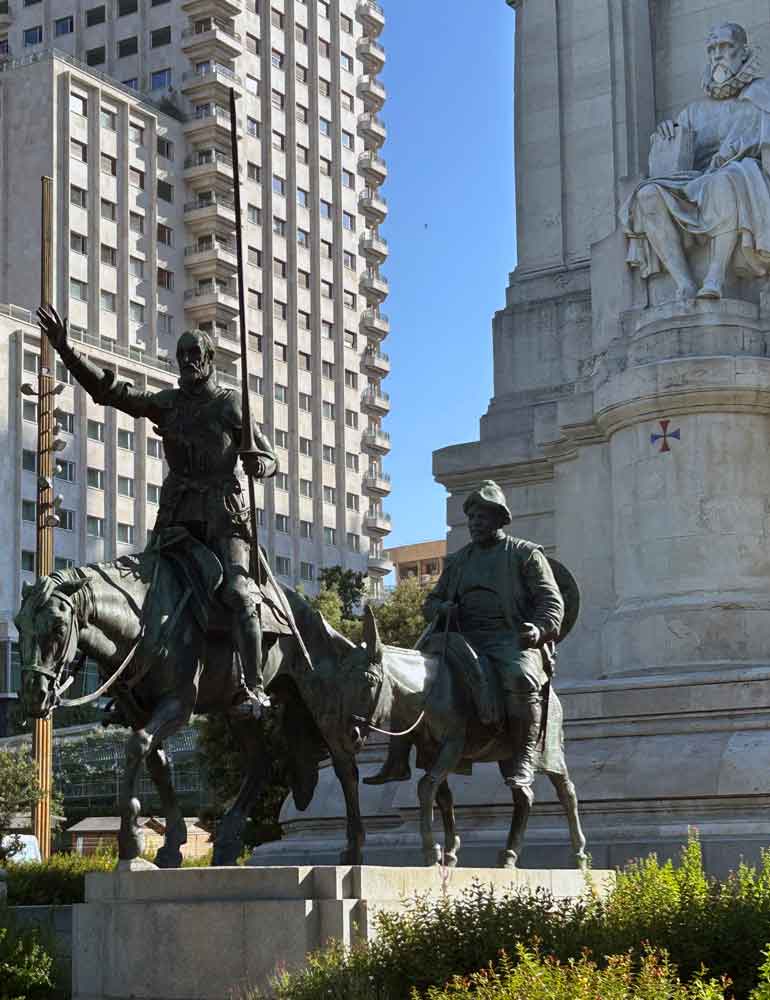
Sancho Panza, to the right, next to his ever-loyal master Don Quixote. Here is the Miguel de Cervantes Monument in Madrid's Plaza de España.
Classification in the Habanos world
Sancho Panza is today one of Cuba's most traditional brands. In the 1950s, it was Spain's most popular cigar. Along with El Rey del Mundo, these cigars were among the most expensive in the world at the time. Today, the brand is particularly known for its Belicosos and is regularly selected for Ediciones Regionales.
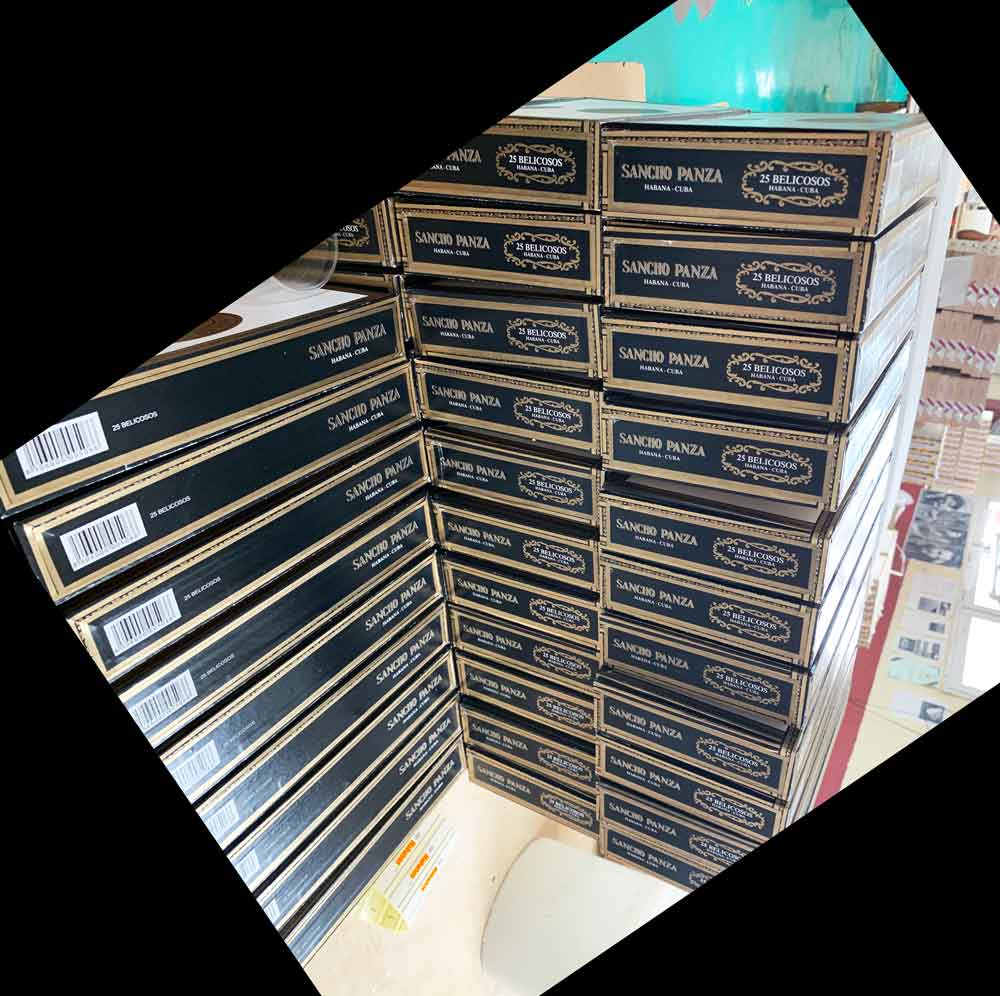
The Sancho Panza brand is one that importers are fond of selecting for an Edición Regional: a limited number of cigars available in only one country.
Fact box
Introduction: 1848 in Havana
Founder: Emilio Ohmstedt from Germany
* Special feature: Almost 100 years to commercial breakthrough
* Literary origin: Named after Sancho Panza from Miguel de Cervantes’ novel „Don Quixote“
Greatest success: Spain's most popular cigar in the 1950s
Current standard cigar: Sancho Panza Belicosos
Production: Cuba
Known for: Frequent selection for Regional Edition
The Sancho Panza Story – A Long Road to Success
The story of Sancho Panza begins in 1848. Together with El Rey del Mundo, Emilio Ohmstedt registered the brand. Why he chose this particular name is still unknown today. According to one tradition, Ohmstedt replaced his own name with the name Sancho Panza as early as 1850.
Like many of the major Habanos brands, this one too takes its name from literature. Sancho Panza is the loyal companion of Don Quixote de la Mancha from the world-famous novel „Don Quixote“ by the Spanish writer Miguel de Cervantes. As a loyal and intelligent squire, he supported the tragicomic knight on his adventures.
It is remarkable that Ohmstedt did not choose a glamorous figure, but deliberately Sancho Panza – a loyal, cunning, but outwardly rather inconspicuous character with a stocky build and a considerable waistline. This choice seemed unusual against the elegant female figures and angels on the cigar boxes of many competing brands.
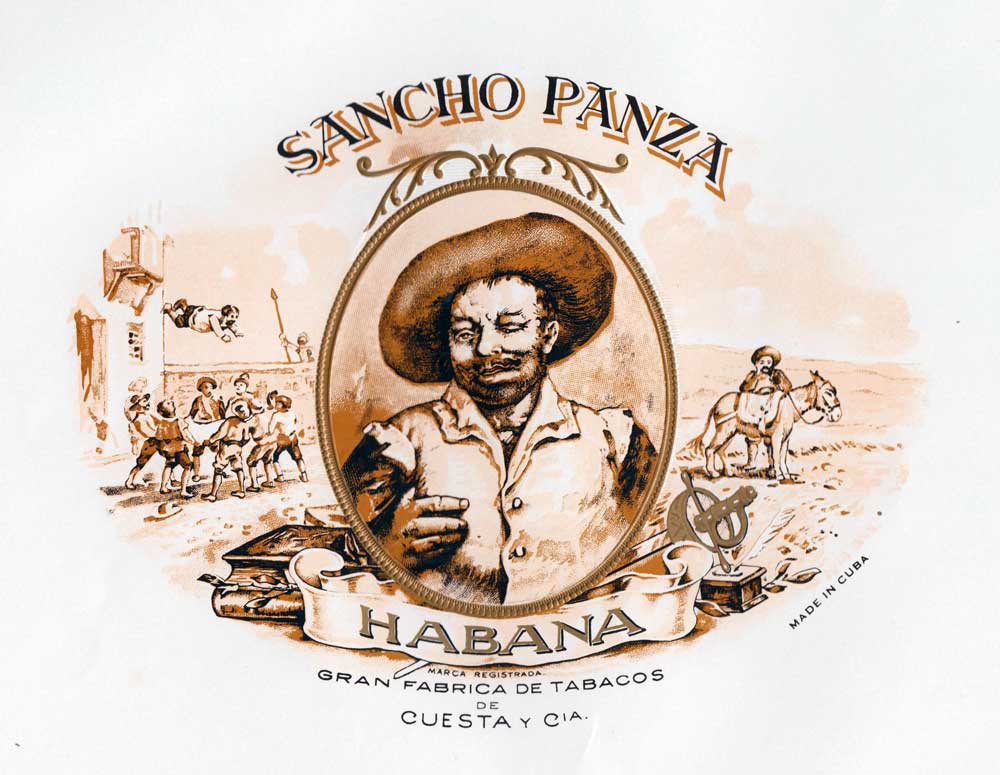
Sancho Panza, the faithful companion of Don Quixote, pictured here on the Vista of the Sancho Panza brand
Years of setbacks
Little is known about Emilio Ohmstedt. His year of death is given as either 1870 or 1874, depending on the source. 1870 appears more likely, as the brand was already registered in 1873 under a new owner.
After Ohmstedt, the Catalan company „Salvador Perito y Cia.“ – also referred to as Salvador Pareto in other sources – took over the brand. Production was only carried out in small quantities. Sancho Panza remained a small brand with predominantly local recognition. Production took place in a building at Calle Manrique 142, or according to the 1873 directory, at San Nicolas. Manufacturing ceased in 1898.
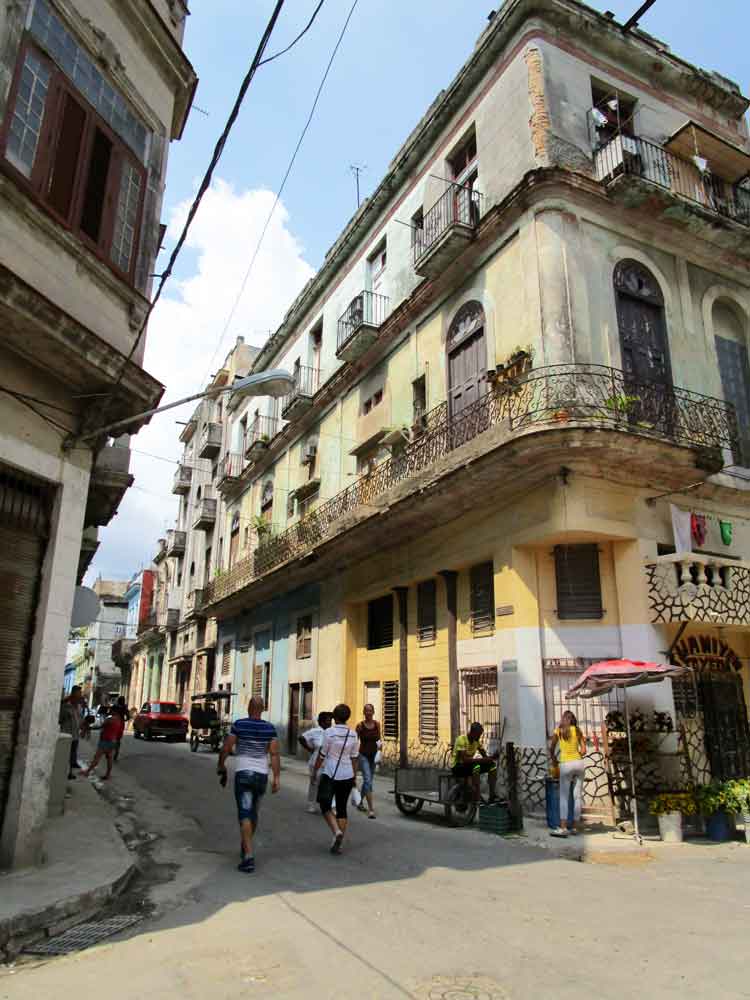
Under the ownership of Salvador Perito (or Pareto), Sancho Panza brand cigars were manufactured at Calle Manrique No.142 in Havana from around 1870 to 1898.
Afterwards, „Muñozo, Alonso y Cia.“ took over the brand. However, even under this owner, the hoped-for success did not materialise. In 1920, the company had to declare bankruptcy.
In the same year, Sancho Panza came into the possession of „Allones Limited“. However, it is said that they parted company with Sancho's supposed „bad luck“ as quickly as possible. In 1927, „Allones Limited“ sold the brand to the Cifuentes family, the then owners of Partagás. Other brands such as Ramon Allones, Flor de Alma, Amor en Sueño, Guayarre, and Algo Bueno also changed hands together. However, even under the Partagás umbrella, a major breakthrough initially failed to materialise.
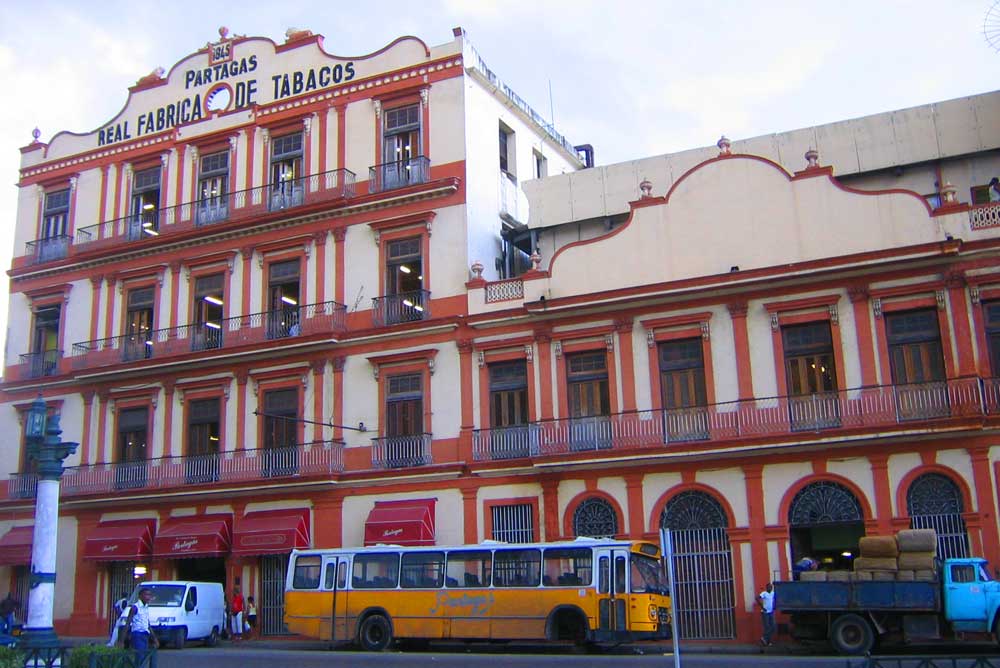
After several changes of ownership, the Cifuentes family, owners of the Partagás brand, took over the Sancho Panza brand in 1927. At that time, the Sancho Panza brand cigars were produced at Calle Industria No. 520 in Havana.
The rise from 1930
Only from 1930 did the brand's fate fundamentally change. After Sancho Panza belonged to the „El Rey del Mundo Cigar Company“, the long-awaited rise began. At the same time, the brand was reunited with El Rey del Mundo, the brand with which it had already been founded together in 1848.
After 1930, the legendary Sancho and Molinos formats emerged. Sancho Panza, in particular, developed into a success story in Spain. In the 1950s, it was one of the most popular cigars there. Due to this popularity, production continued without interruption, even during and after the Cuban Revolution.
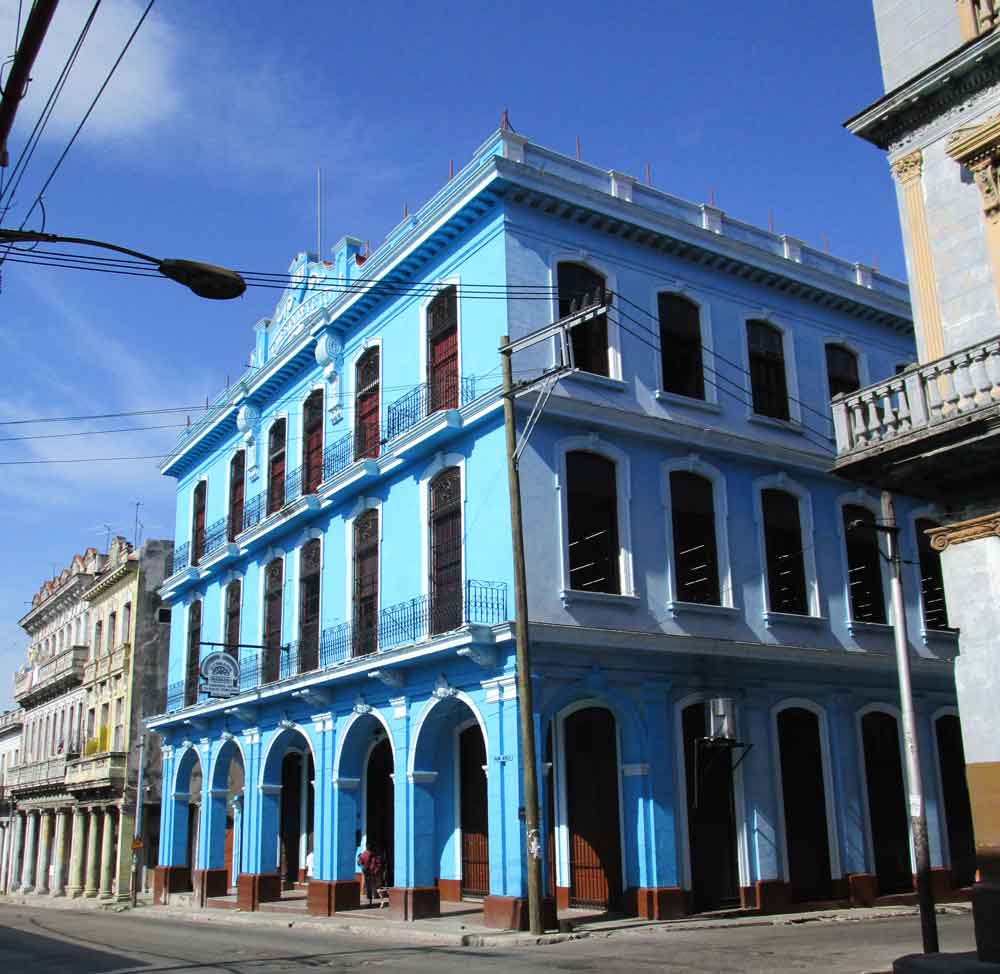
The success of the Sancho Panza brand began in 1930. The „El Rey del Mundo Cigar Company“ took over the brand, and production was based at Calle Belascoain No. 852.
The portfolio today
In the Cubatabaco catalogue in 1972, eleven different formats were still listed. Over the years, however, numerous vitolas have been discontinued. Today, the regular portfolio consists of only one standard cigar: the Sancho Panza Belicosos. This is a pyramid with a ring gauge of 52 and a length of 140 millimetres.

Before the revolution, the Sancho Panza brand's range was quite extensive. Currently, only one format is produced as standard: the Belicosos, a pyramid.
Despite the current lean portfolio, the brand remains of great importance for Habanos. Sancho Panza is particularly frequently chosen for Ediciones Regionales.
To the point
Sancho Panza cigars were founded as early as 1848 but had to wait almost a century for their breakthrough. Today, the brand is one of the most respected names in the Habanos world, looking back on one of Cuba's most unusual success stories.
The Sancho Panza brand has had many different owners over the years. Not only did the brands change hands, but manufacturers also joined together in ever-new constellations.
Here you will find the Sancho Panza manufactory
If the live folder does not work, Please click here for the Sancho Panza Manufactory.
Picture credits
- Habanos S.A.
- Claudia Puszkar
Curated for you
External website: Experience the Habanos Club in Germany
At Origin Of Cigar: THE PLEASURE LETTER by Origin Of Cigar: A curated email celebrating the fine pleasures of Cuban cigar culture.
Historical Habanos manufactories documentary film
In this film, their stories - and their true faces - are uncompromisingly revealed. This is far more than just a documentary film - it is a journey into the soul of Cuba.

What is in your drawers?
Some chapters in the history of cigars still lie in hidden in drawers, archives or private collections. Do you own Records, documents or references to Cuban cigar brands? Or do you know Sources, that could help with historical research? Then please send us an e-mail. Claudia Puszkar will contact you personally and discuss everything else with you. Together we can Bringing buried stories back to light. 👉 admin@origin-of-cigar.com
New to Cuban cigars? Or deep into it?
FAQ - Read the frequently asked questions
Open the glossary of Cuban cigars
Who is behind Origin Of Cigar?
Who we are and how you can reach us → Please click here
Sancho Panza Photo Gallery
If you do not see the photo gallery, Please click here for the Sancho Panza Photo Gallery
References
- Min Ron Nee:
- “AN ILLUSTRATED ENCYCLOPAEDIA OF POST-REVOLUTION HAVANA CIGARS” / Hong Kong 2003, ISBN: 978-3980930826
- Instituto de Investigaciones del Tabaco Cuba:
- „The world of Habanos“ / Havana 2013, ISBN: 978-959-7212-08-9
- Adriano Martínez Rius:
- “Habano the King” / Barcelona 1998, ISBN: 84-930387-1-7
- Adriano Martinez Rius:
- “The Great Habano Factories” / Barcelona 2005, ISBN: 84-609-4024-1
- Orlando Quiroga:
- “El Habano al rojo vivo” / Havana 2002
- Enzo A. Infante:
- “Havana Cigars 1817-1960” / Neptune City 1997
- Eumelio Espino:
- “El Habano - De la semilla al puro en 539 pasos” / Madrid 2019, ISBN: 978-84-09-07091-6
- Alexander Groom:
- “El Habano Moderno” / Helios House Press 2022, ISBN: 978-911683-05-6
You are here:

 Deutsch
  Español
  English (UK)
  Français
  Italiano