
Bolívar History – A Powerful Icon of the Habanos World with an Exciting Story

Bolívar cigars are among the strongest and most aromatic Habanos and symbolise freedom and strength.
Where do cigars come from?
Table of contents
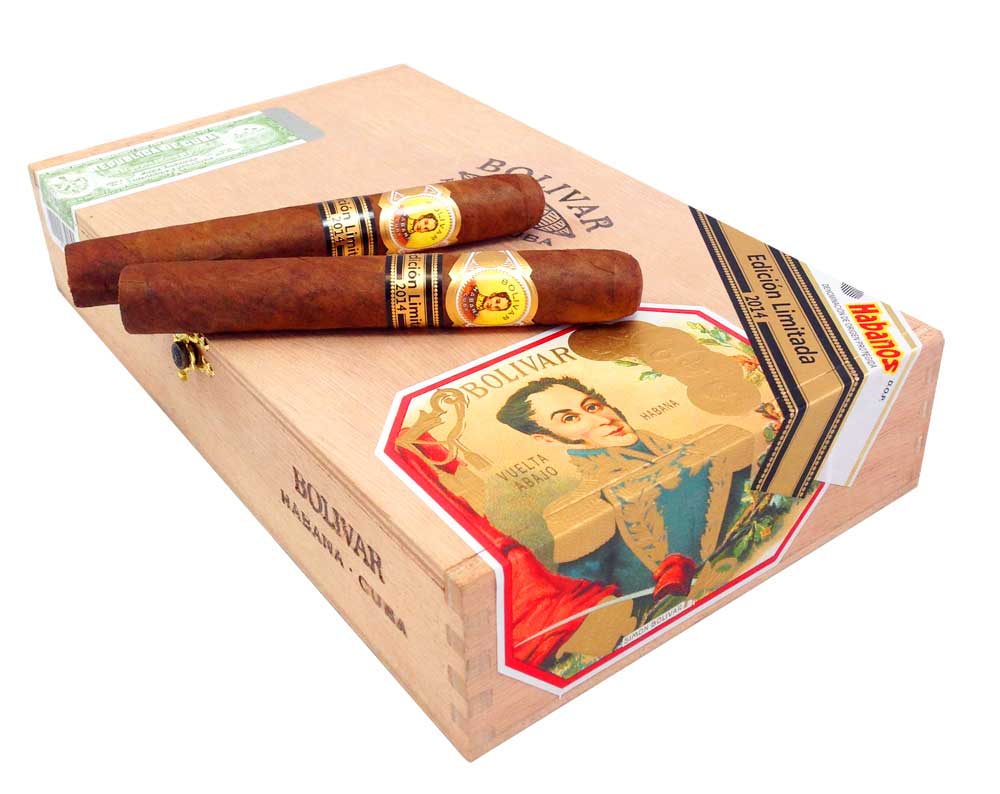
There have been several limited editions from the Bolívar brand, this one is from 2014.
Bolívar Cigars – Origin, Myth and Reality
Bolívar cigars represent strength, character, and a solid heritage. The brand traces its origins back to José Fernandez Rocha, who began cigar production around 1900/1901. However, the brand was not officially registered under the name „J.F. Rocha y Cía“ until 1921.
The question of the actual founding year remains open to this day. One theory states that the name Bolívar was deliberately chosen as early as 1901 to reflect the spirit of independence in Cuba. Another version claims that Don Rocha used the name without truly knowing the historical background and deeds of Simón Bolívar.
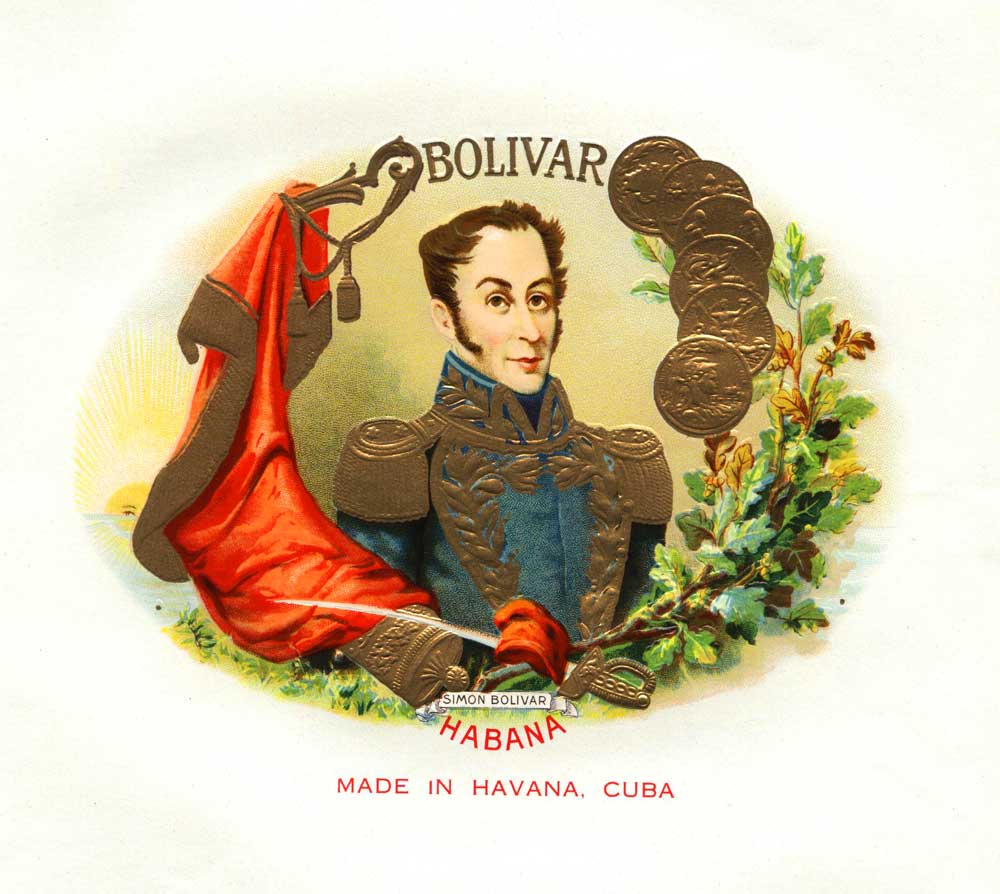
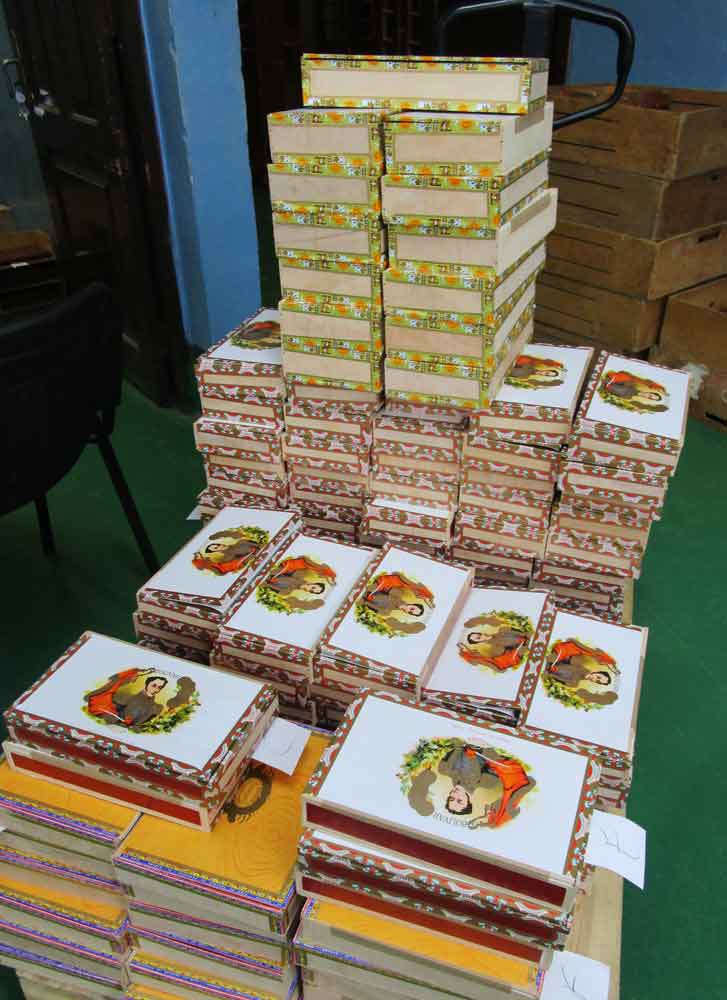
Simón Bolívar, El Libertador, the liberator of South or Latin America. He is still present today through his depiction on cigar boxes.
The name itself can be traced back to Simón Bolívar, the legendary freedom fighter of South America. His military successes led to the independence of several states, including Venezuela, Colombia, and Peru. This historical figure continues to shape the brand's self-image to this day.
What are Bolívar cigars?
Bolívar cigars are Cuban premium cigars with a particularly strong flavour profile and high aromatic density.
Why are Bolívar cigars special?
Bolívar cigars are characterised by a high proportion of Ligero tobacco, which is responsible for their distinctive strength.
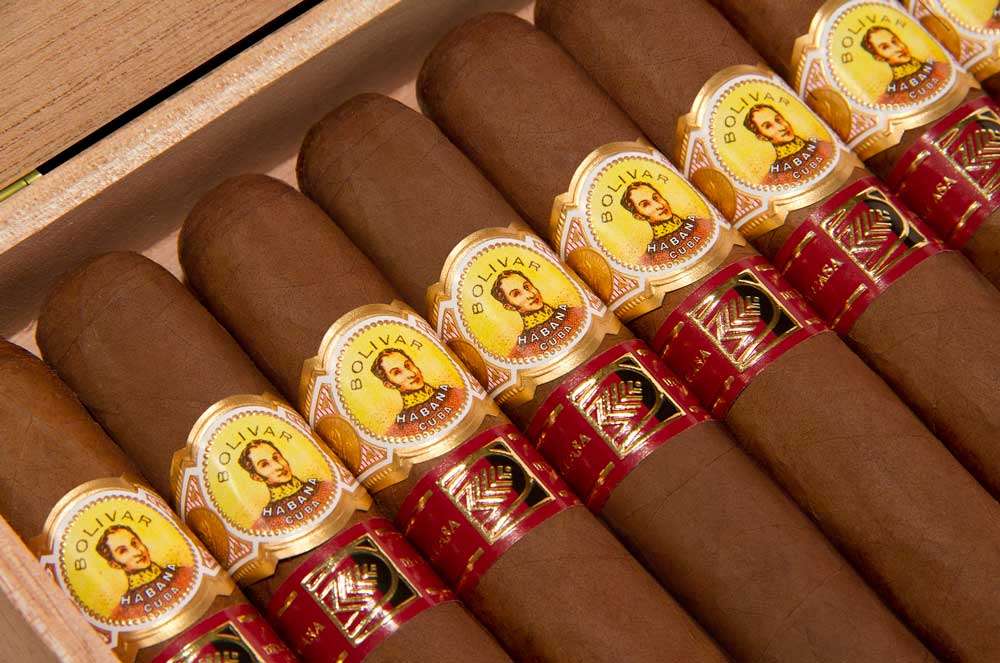
The Bolívar brand is also often used for special editions for „La Casa del Habano“.
Classification within the Habanos world
Within the Habanos portfolio, Bolívar cigars are considered one of the most intense brands and are particularly appreciated by experienced aficionados.
In an illustrated environment – the early years
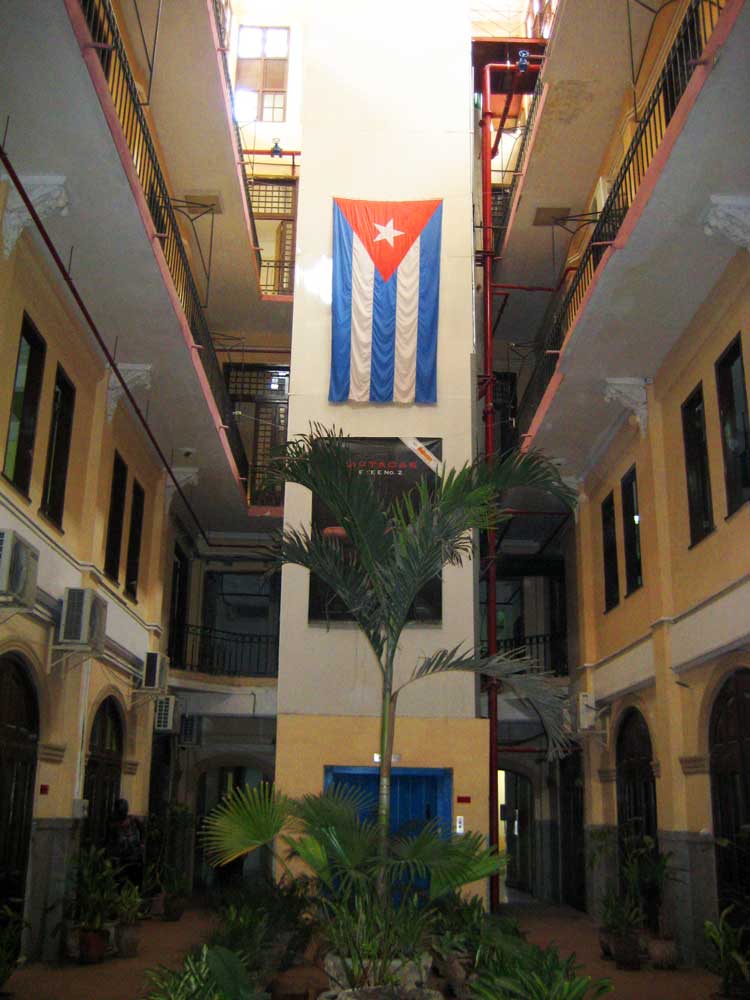
The brand's production originally took place in Havana, on Calle San Miguel in the Centro Habana district. This street was a centre of the cigar industry and housed numerous factories, including early sites of Por Larrañaga, Partagás and H. Upmann.
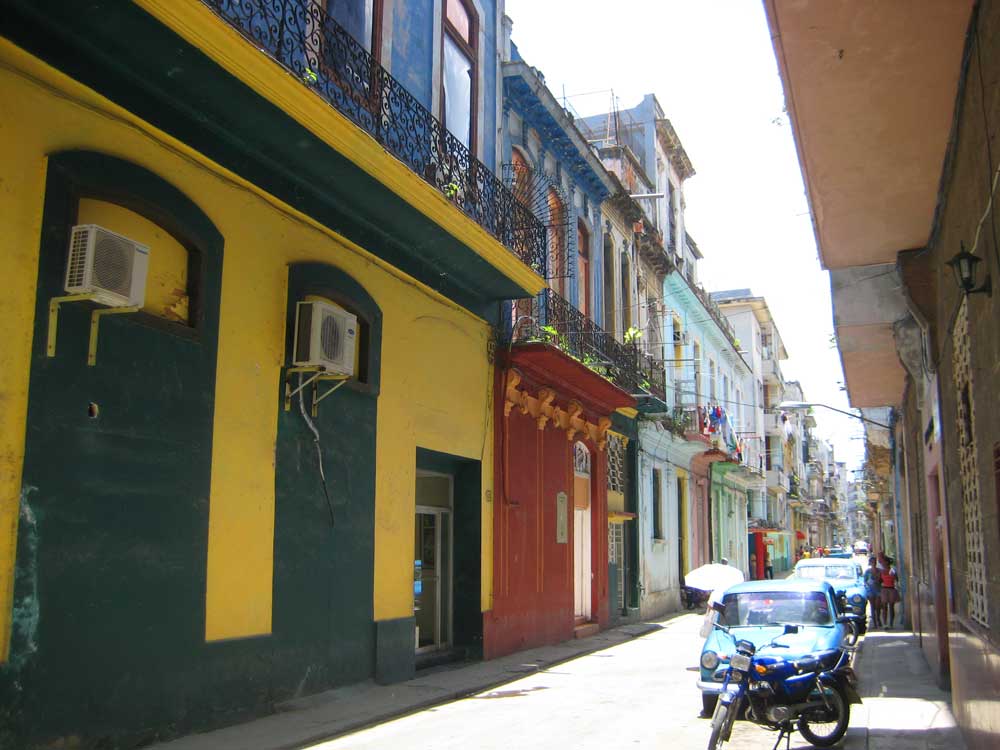
The first company headquarters for the Bolívar brand was located at Calle San Miguel No. 100. The Por Larrañaga, Partagás, and H. Upmann brands also had their first registered company headquarters on this street. Over the years, there were more than 20 different factories here, although they were generally smaller.
Despite its strong local presence, Bolívar remained primarily a national brand until the 1940s and played a negligible role in exports.
The Turning Point – Partagás owner Cifuentes takes over
Following the death of José Fernandez Rocha, the Bolívar and La Gloria Cubana brands were taken over by the Cifuentes family. One source states the year as 1944, but 1954 is more likely.
This step marked the international rise of the brand. Production was moved to the renowned Partagás factory, which significantly contributed to its perceived quality.
By the late 1950s, Bolívar had already earned an excellent reputation worldwide – a result of the business acumen of the new owners.
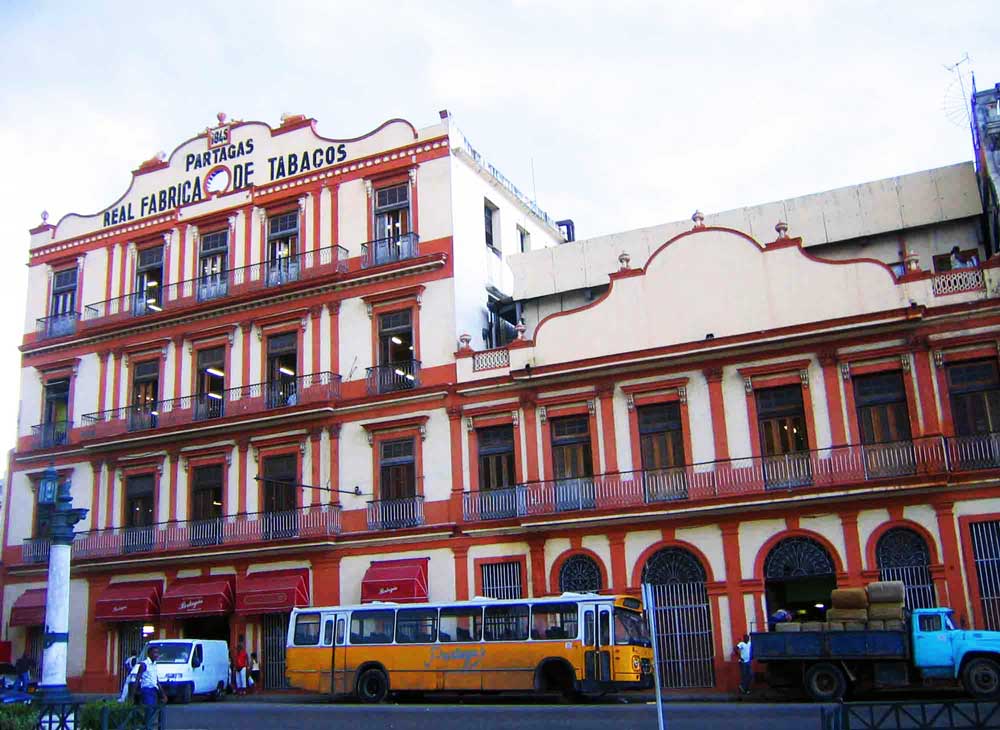
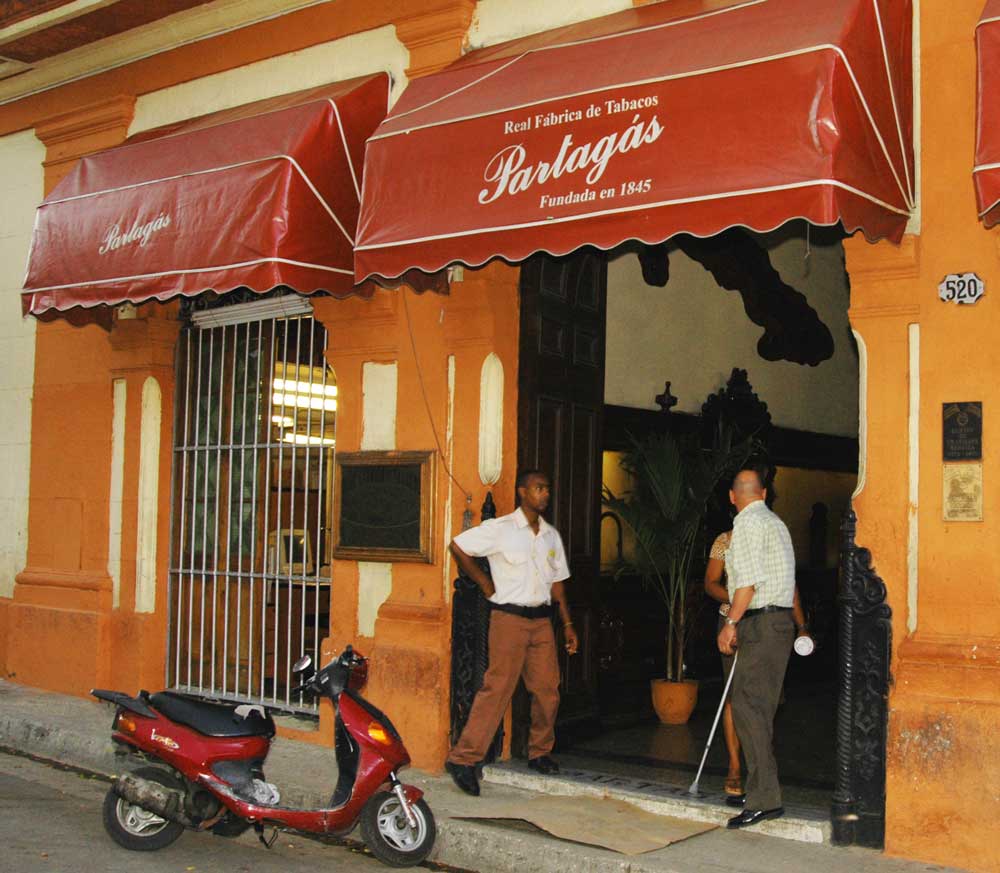
Probably in 1954, the Cifuentes family, who then owned the Partagás brand, bought the Bolívar brand. The factory was located directly behind the Capitol on Calle Industria No. 520.
After the Revolution – Continuity and Change
Even after the Cuban Revolution, Bolívar remained an established brand. Production continued without interruption. A loyal following developed, particularly in Great Britain.
In the 1970s, some formats from an otherwise extensive portfolio were discontinued. Since 1995, certain formats have shown a slight softening of taste, without losing the brand's characteristic style.
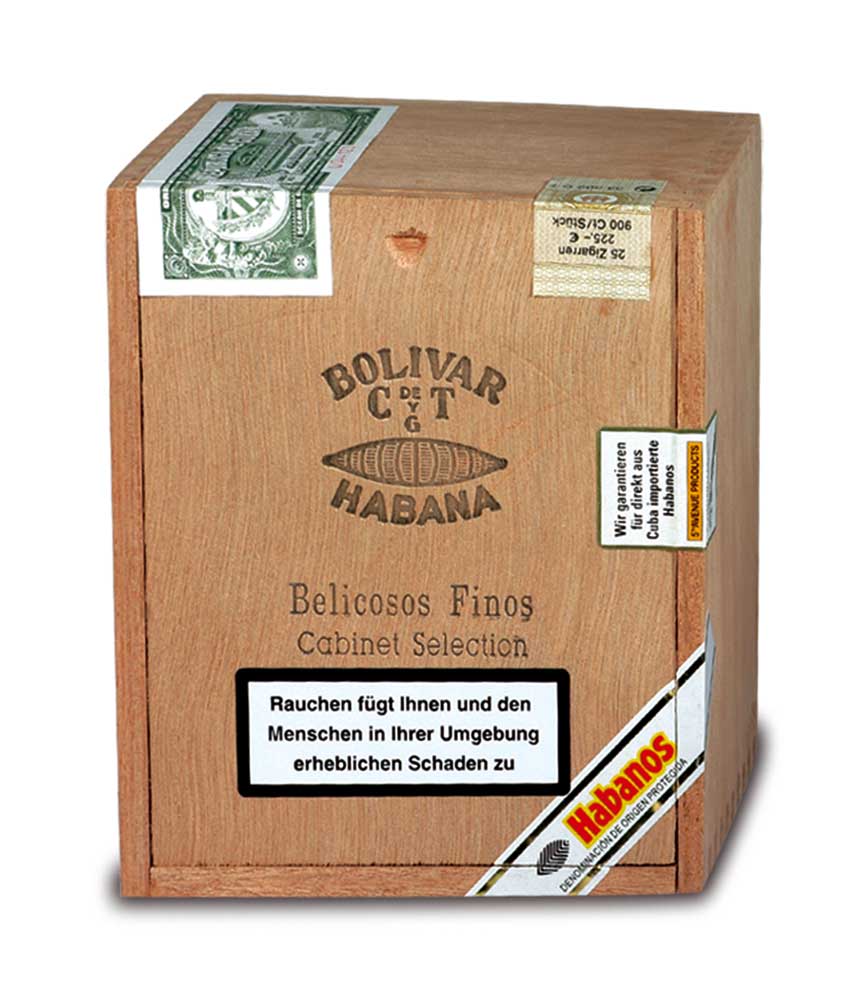
The Bolívar Belicosos Finos, a pyramid with a 52 ring gauge and 140 mm length, is among the absolute classics of the brand.
The DNA of Bolívar Cigars
The strength of Bolívar cigars is based on their tobacco blend from the Vuelta Abajo region. A high proportion of Ligero ensures depth, power and a distinctive aromatic structure.
This blend makes the cigars a preferred choice for experienced smokers seeking intense flavour profiles.
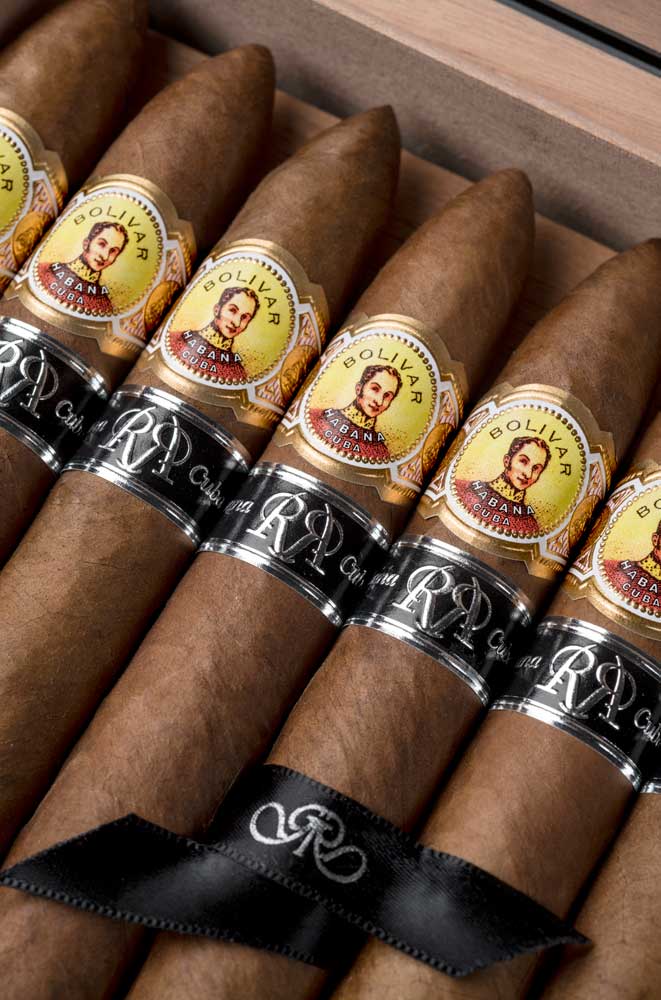
The Bolívar brand has a whole range of special editions, such as this 2016 Reserva; however, the Bolívar brand is also popular for Edición Regional releases, with over 30 of them so far.
Today's production
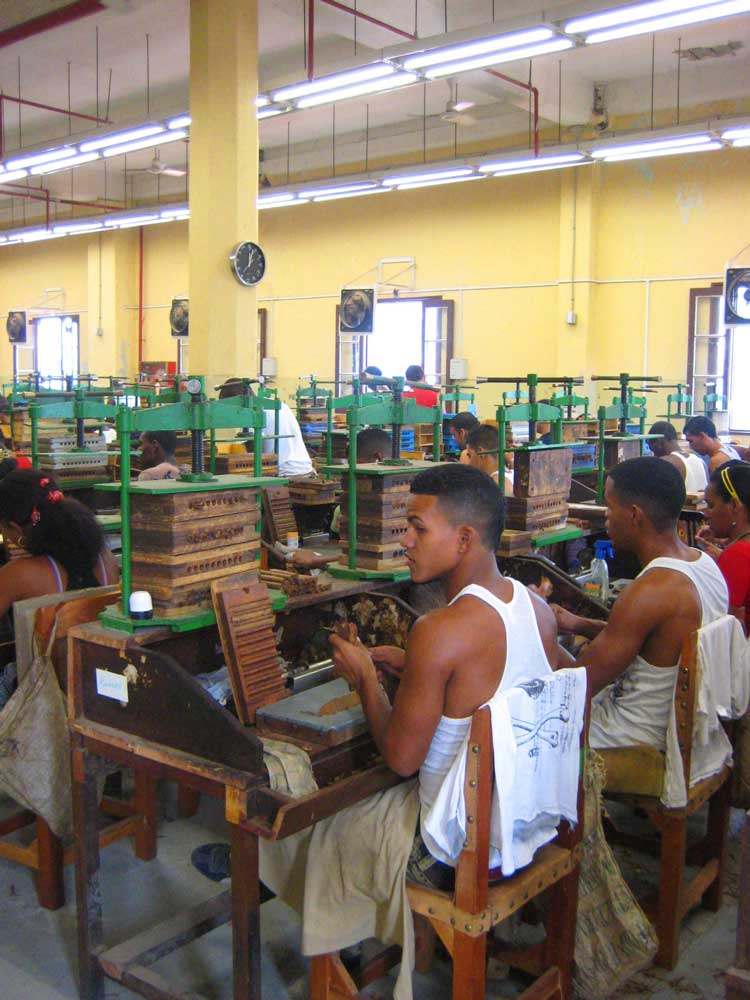
Production continues at the Partagás factory, which is now located at Calle San Carlos No. 816 in Havana. The original factory behind the Capitol was closed in 2012 due to structural reasons.
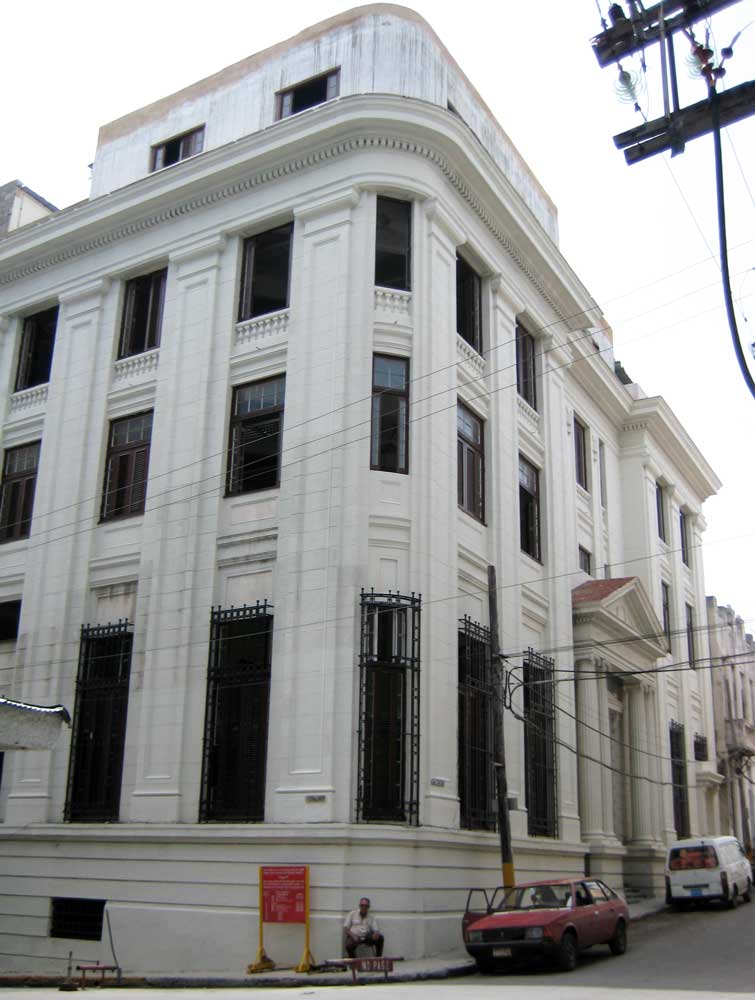
Since 2012, Bolívar brand cigars have been produced at the Partagás factory at Calle San Carlos No. 816, where they are still manufactured today.
Facts about Bolívar Cigars
- Introduction: officially 1921
- Special feature: very strong blend with a high Ligero content
- Concept: Homage to Simón Bolívar and his strength
- Production: Partagás Factory in Havana
To the point
Bolívar cigars are uncompromisingly strong Habanos with historical depth and a clear focus on experienced aficionados.
There have been several limited editions from the Bolívar brand, this one is from 2014.
Here you will find the Bolívar Manufactory
If the live folder does not work, Please click here for the Bolívar Manufaktur.
Picture credits
- Claudia Puszkar
- Habanos S.A.
Curated for you
External website: Experience the Habanos Club in Germany
At Origin Of Cigar: THE PLEASURE LETTER by Origin Of Cigar: A curated email celebrating the fine pleasures of Cuban cigar culture.
Historical Habanos manufactories documentary film
In this film, their stories - and their true faces - are uncompromisingly revealed. This is far more than just a documentary film - it is a journey into the soul of Cuba.

What is in your drawers?
Some chapters in the history of cigars still lie in hidden in drawers, archives or private collections. Do you own Records, documents or references to Cuban cigar brands? Or do you know Sources, that could help with historical research? Then please send us an e-mail. Claudia Puszkar will contact you personally and discuss everything else with you. Together we can Bringing buried stories back to light. 👉 admin@origin-of-cigar.com
New to Cuban cigars? Or deep into it?
FAQ - Read the frequently asked questions
Open the glossary of Cuban cigars
Who is behind Origin Of Cigar?
Who we are and how you can reach us → Please click here
Bolívar Photo Gallery
If you do not see the photo gallery, Click here for the Bolívar Photo Gallery
References
- Min Ron Nee:
- “AN ILLUSTRATED ENCYCLOPAEDIA OF POST-REVOLUTION HAVANA CIGARS” / Hong Kong 2003, ISBN: 978-3980930826
- Instituto de Investigaciones del Tabaco Cuba:
- „The world of Habanos“ / Havana 2013, ISBN: 978-959-7212-08-9
- Adriano Martínez Rius:
- “Habano the King” / Barcelona 1998, ISBN: 84-930387-1-7
- Adriano Martinez Rius:
- “The Great Habano Factories” / Barcelona 2005, ISBN: 84-609-4024-1
- Orlando Quiroga:
- “El Habano al rojo vivo” / Havana 2002
- Enzo A. Infante:
- “Havana Cigars 1817-1960” / Neptune City 1997
- Eumelio Espino:
- “El Habano - De la semilla al puro en 539 pasos” / Madrid 2019, ISBN: 978-84-09-07091-6
- Alexander Groom:
- “El Habano Moderno” / Helios House Press 2022, ISBN: 978-911683-05-6
You are here:


 Deutsch
  Español
  English (UK)
  Français
  Italiano