
Rafael González story - Mysterious origins of a British icon


Rafael González history - It begins opaquely, almost deliberately veiled, but develops over time into a narrative of the highest quality, profound knowledge and remarkable consistency. The full brand name is La Flor de Rafael González Marquez. For the sake of simplicity, today the brand is usually only Rafael González as is the case here.
Where do cigars come from?
Table of contents

Flor de Rafael Gonzáles Marquez: Today, the brand is usually just called Rafael González, but it is also known as Flor de González or Flor de Márquez. But here the rule is: many names, one brand.
Confusing names and spellings
The Rafael González history has been characterised by different names and spellings from the very beginning, although it is always one and the same brand: La Flor de Rafael González Marquez, La Flor de Márquez, La Flor de González or simply Rafael González.
The first name also appears in different variants. You can find spellings such as Rafaël, Rafael or - as on the logo - Rafæl, where a and e have moved together.

The modern and contemporary design of the Flor de Rafael Gonzalez: no longer a decorated box, but a semi-boìte box made of natural wood.
Mysterious origins: Marquis, Count or Grandee of Spain?
Whether there really is a marquis, marquez, count or even a Grandee of Spain named Rafæl González cannot be proven historically. There is no concrete evidence. The only source for his „existence“ is the inscription on the box of the stamp. It reads:
“THESE CIGARS HAVE BEEN MANUFACTURED FROM A SECRET BLEND OF PURE VUELTA ABAJO TOBACCOS SELECTED BY THE MARQUEZ RAFÆL GONZALEZ GRANDEE OF SPAIN.
FOR MORE THAN 20 YEARS THIS BLEND HAS EXISTED.”
Below this is a bold signature with the name González and a small crown that appears to have been drawn by hand.
Orlando Quiroga describes this aptly: "The impression is created that Rafael González Marquez wanted to make people believe that he was a legitimate marquis of royal blood - and that he was probably a marquis of royal blood. Marquez was simply his second surname.
Min Ron Nee also assumes that the intention was only to create the impression that the trade mark was owned by a Spanish aristocrat - a Grandee of Spain - could have been created.

From the beginning until a few years ago, this notice was found on every box: The cigars should either be smoked within a month or after a few years. This applies not only to Rafael González brand cigars.
Only for Britain - and officially registered
According to Min Ron Nee, the brand has existed since 1928 and was created especially for the British market under the name La Flor de Márquez by the two Britons George Samuel and Frank Warwick.
In 1936, just eight years later, the brand was acquired by the American-financed El Rey del Mundo Cigar Company was taken over. This year also saw the official registration - now as La Flor de González.
In 1940, the trade mark appears in the export register as Flor de Rafaël González, still owned by the El Rey del Mundo Cigar Company. Since around 1954, the official name has been Rafaël González Márquez.
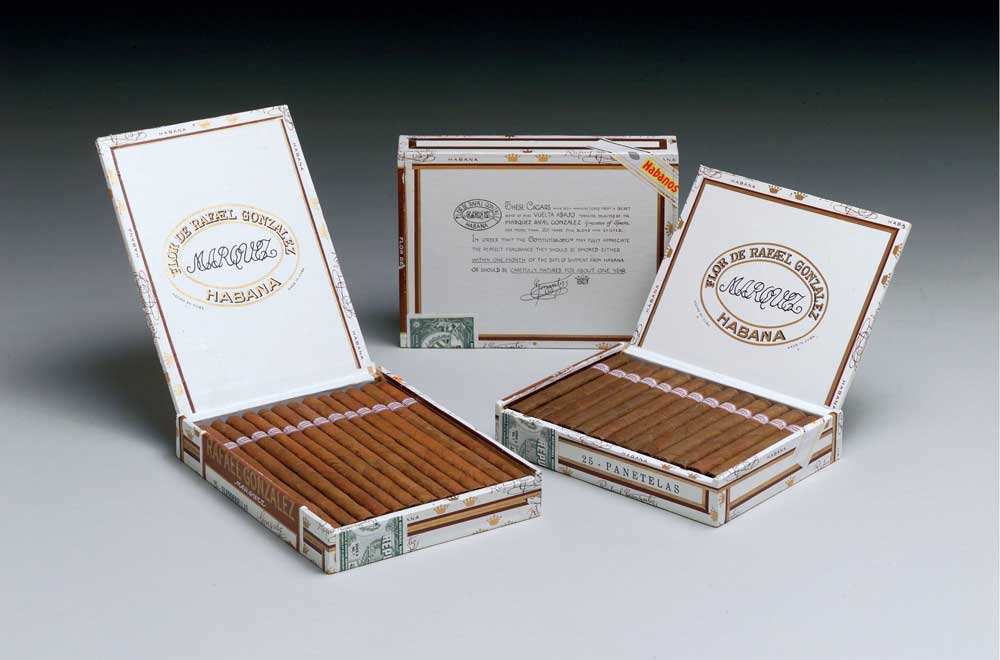
The old design of the Rafael González boxes: It is written on the bottom of the box that these cigars were created „... BY THE MARQUEZ RAFAEL GONZALEZ GRANDEE OF SPAIN...”. Apart from this statement, however, there is no evidence of the existence of this count or marquis.
An important note for connoisseurs
Until a few years ago, every crate of this brand left Cuba with a special note:
“IN ORDER THAT THE CONNOISSŒR MAY FULLY APPRECIATE THE PERFECT FRAGRANCE THEY SHOULD BE SMOKED EITHER WITHIN ONE MONTH OF THE DATE OF SHIPMENT FROM HAVANA OR SHOULD BE CAREFULLY MATURED FOR ABOUT ONE YEAR”
It is therefore recommended that the cigars are either smoked within a month of being shipped from Havana or that they are carefully stored for around a year. This advice takes into account the so-called Sick period, This is the period in which the tobaccos in each cigar bind together and, among other things, ammonia is broken down. During this phase, the flavour can be temporarily unpleasant.
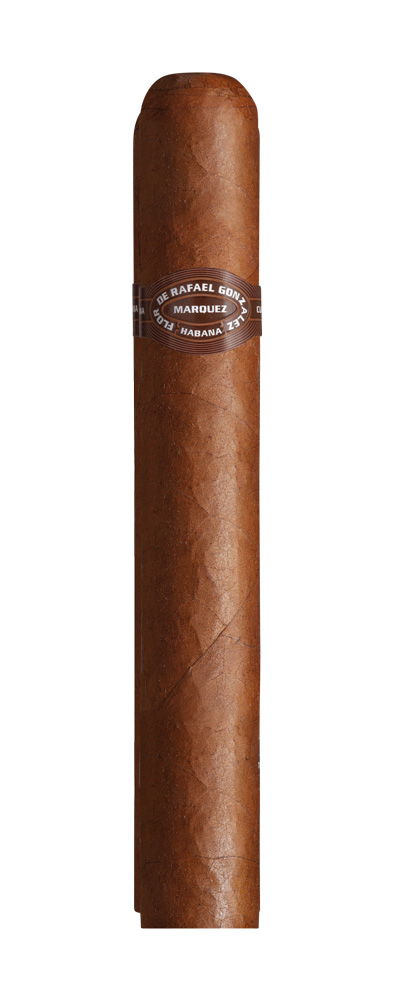
The cigar ring of the Rafael González cigars has also been changed, but is still very similar to the old ring that the formats used to have.
The Lonsdale format and a true aristocrat
It may have been the aristocratic background of the brand that persuaded Hugh Cecil Lowther, the fifth Earl of Lonsdale, in the 1930s to move away from Rafael González to have a cigar made to his personal taste.
He chose a new format that still bears his name today: the Lonsdale. This format has a ring gauge of 42 and a length of 165 millimetres. Slim, elegant and with a certain but not excessive length - a format that was later adopted by many other Habanos brands.
The fifth Earl of Lonsdale was considered a great gourmet, a passionate cigar lover and extremely sporty. After the First World War, he organised international horse races and sailing regattas. With this format, his name remains in the public consciousness and lives on.
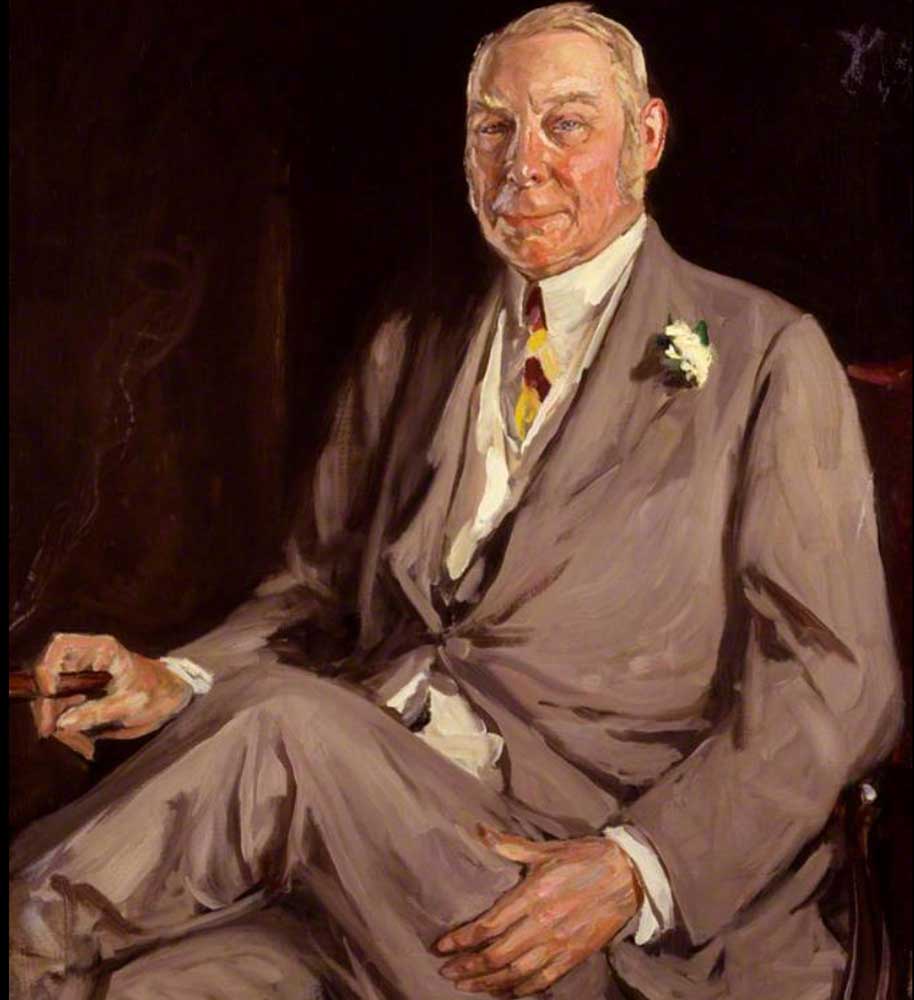
The 5th Earl of Lonsdale, Hugh Cecil Lowther, had his own cigar created and memorialised his name with a format designation, namely Lonsdale.
A famous factory with many names
From the 1940s, the brand's factory was located at Calle Belascoain no. 852 and was owned by the El Rey del Mundo Cigar Company. Like the brand itself, this factory has had various names over the decades.
Older Habanese called them the Rey del Mundo factory. Later it was called Romeo y Julieta factory probably from the 1980s onwards. Today, this building houses the H. Upmann-Manufaktur.
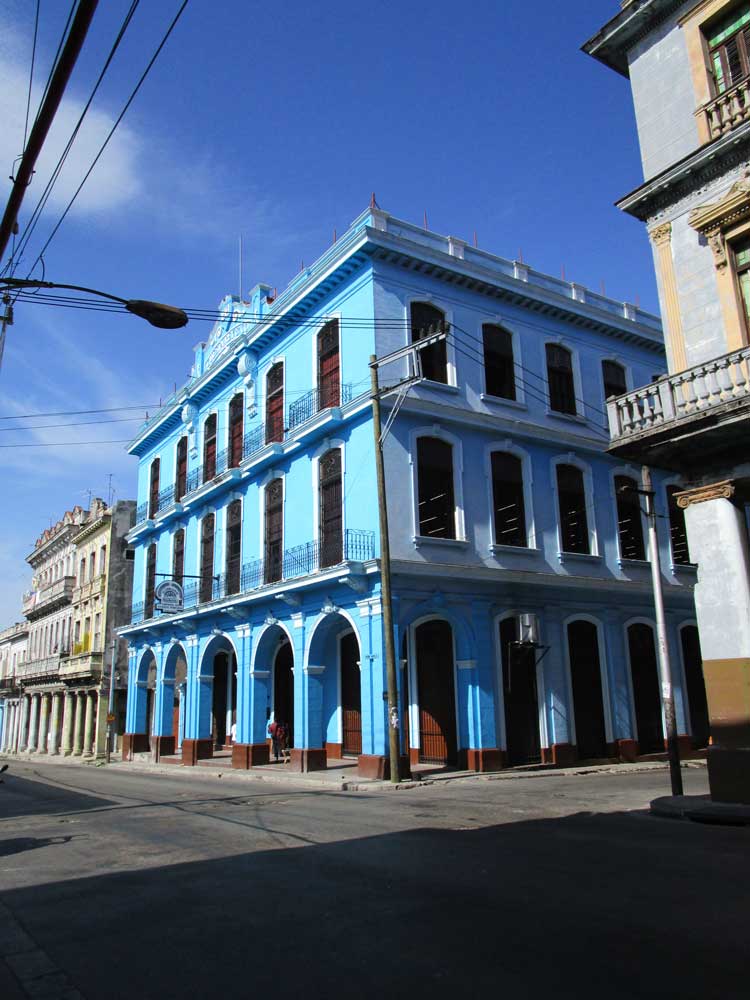
Rafael Gonzalez brand cigars have been produced in this factory on Calle Belascoain No. 852 for decades, at the latest since 1940.
High potential and close connections
The Rafael González history is closely linked to the brand El Rey del Mundo connected. Both are considered sibling brands, even though they differ in flavour and strength.
Rafael González is recognised as having a high ageing potential. In the 1960s and 1970s, the brand - like El Rey del Mundo - was regarded as a high-end habanero. At the time, Zino Davidoff stated that a Rafael González should not be missing from the inventory of any serious smoker.
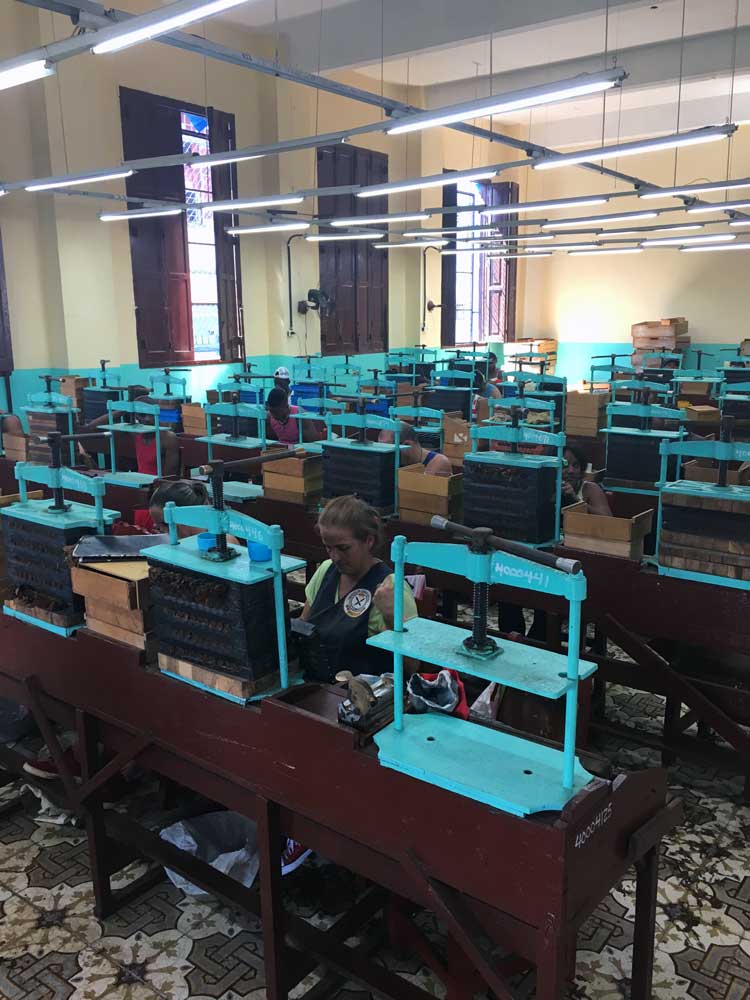
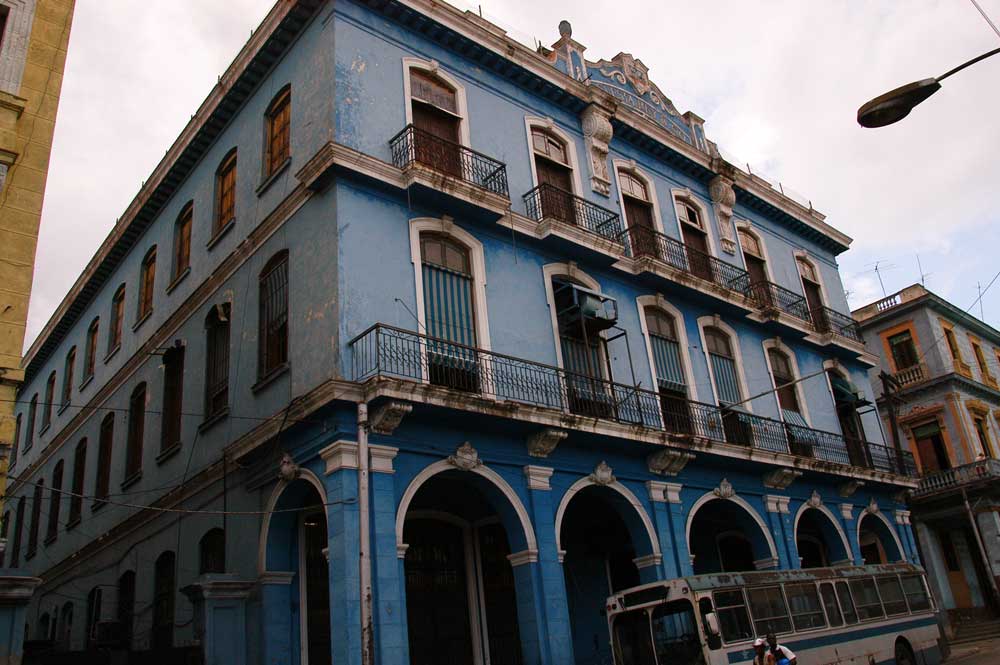
The factory where the Rafael González brand cigars were made on Calle Belascoain No.852. This factory was the El Rey del Mundo factory, then the Romeo y Julieta factory and now it is the H.Upmann factory.
Here you will find the Rafael González Manufaktur
If the live folder does not work, please click here for Rafael González Manufaktur.
Picture credits
- Claudia Puszkar
- Painting Hugh Cecil Lowther by Sir John Lavery, 1930: Wikipedia
- Habanos S.A.
Curated for you
External website: Experience the Habanos Club in Germany
At Origin Of Cigar: THE PLEASURE LETTER by Origin Of Cigar: A curated email celebrating the fine pleasures of Cuban cigar culture.
Historical Habanos manufactories documentary film
In this film, their stories - and their true faces - are uncompromisingly revealed. This is far more than just a documentary film - it is a journey into the soul of Cuba.

What is in your drawers?
Some chapters in the history of cigars still lie in hidden in drawers, archives or private collections. Do you own Records, documents or references to Cuban cigar brands? Or do you know Sources, that could help with historical research? Then please send us an e-mail. Claudia Puszkar will contact you personally and discuss everything else with you. Together we can Bringing buried stories back to light. 👉 admin@origin-of-cigar.com
New to Cuban cigars? Or deep into it?
FAQ - Read the frequently asked questions
Open the glossary of Cuban cigars
Who is behind Origin Of Cigar?
Who we are and how you can reach us → Please click here
Rafael González Photo Gallery
If you do not see the photo gallery, please click here for the Rafael González photo gallery

References
- Min Ron Nee:
- “AN ILLUSTRATED ENCYCLOPAEDIA OF POST-REVOLUTION HAVANA CIGARS” / Hong Kong 2003, ISBN: 978-3980930826
- Instituto de Investigaciones del Tabaco Cuba:
- „The world of Habanos“ / Havana 2013, ISBN: 978-959-7212-08-9
- Adriano Martínez Rius:
- “Habano the King” / Barcelona 1998, ISBN: 84-930387-1-7
- Adriano Martinez Rius:
- “The Great Habano Factories” / Barcelona 2005, ISBN: 84-609-4024-1
- Orlando Quiroga:
- “El Habano al rojo vivo” / Havana 2002
- Enzo A. Infante:
- “Havana Cigars 1817-1960” / Neptune City 1997
- Eumelio Espino:
- “El Habano - De la semilla al puro en 539 pasos” / Madrid 2019, ISBN: 978-84-09-07091-6
- Alexander Groom:
- “El Habano Moderno” / Helios House Press 2022, ISBN: 978-911683-05-6
You are here:


 Deutsch
  Español
  English (UK)
  Français
  Italiano