
Por Larrañaga history - Epic: luxury, legend and a house in pink


Por Larrañaga History: This brand is one of the oldest Habanos ever – founded in 1834, with its first registered address at Calle O’Reilly 94 in Habana Vieja – and is one of the few historic brands whose cigars are still produced today. The founders were the brothers Ignacio and Ambrosio Larrañaga. However, the first official registration was only in Ignacio Larrañaga's name.
Where do cigars come from?
Table of contents
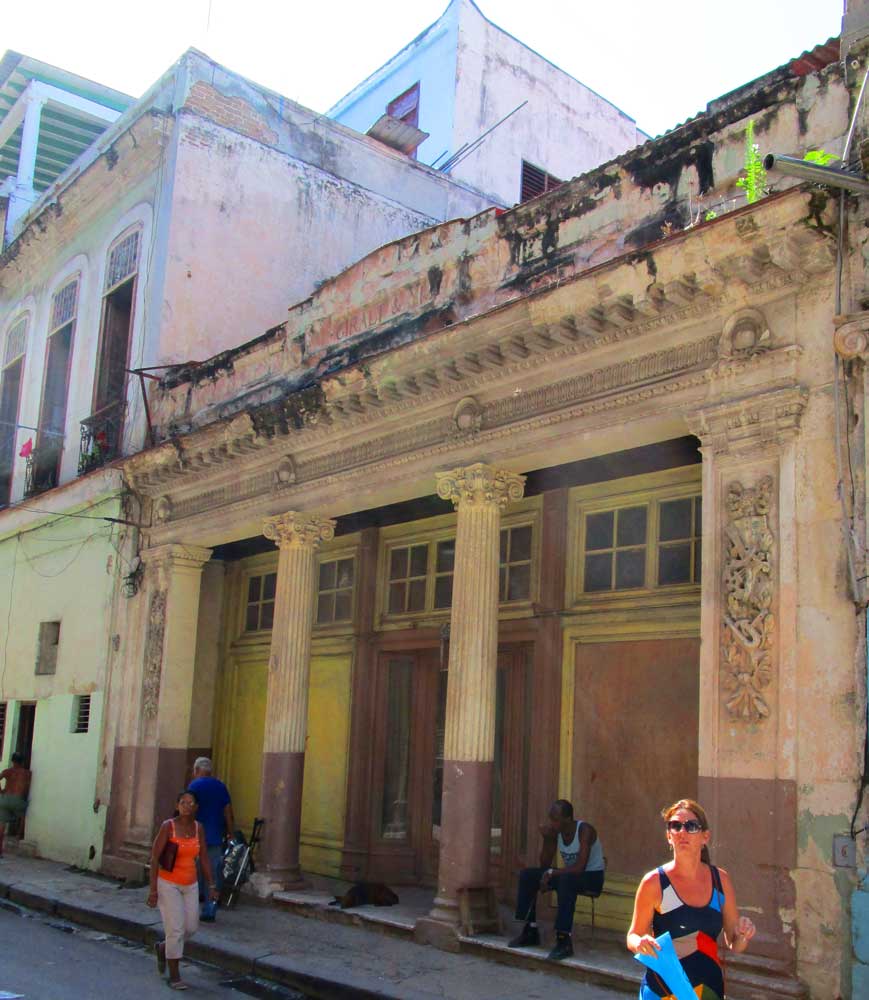
In 1834, Ignacio Larrañaga founded his first cigar factory in one such small house, then Calle O'Reilly No. 94, in a good location in what is now Havana's historic centre.
The legendary brand
By the end of the 19th century at the latest, the Por Larrañaga story stood for pure luxury. Antonio Rivero bought the brand in 1882; for many decades, production took place on Calle Belascoaín 2B - right next to the famous Romeo-y-Julieta factory. In the world of premium cigars, Por Larrañaga was considered to be in a class of its own early on, and the name still echoes this era today. After 1900, Antonio Rivero's widow, Antonia Lopez, continued to run the brand very successfully.
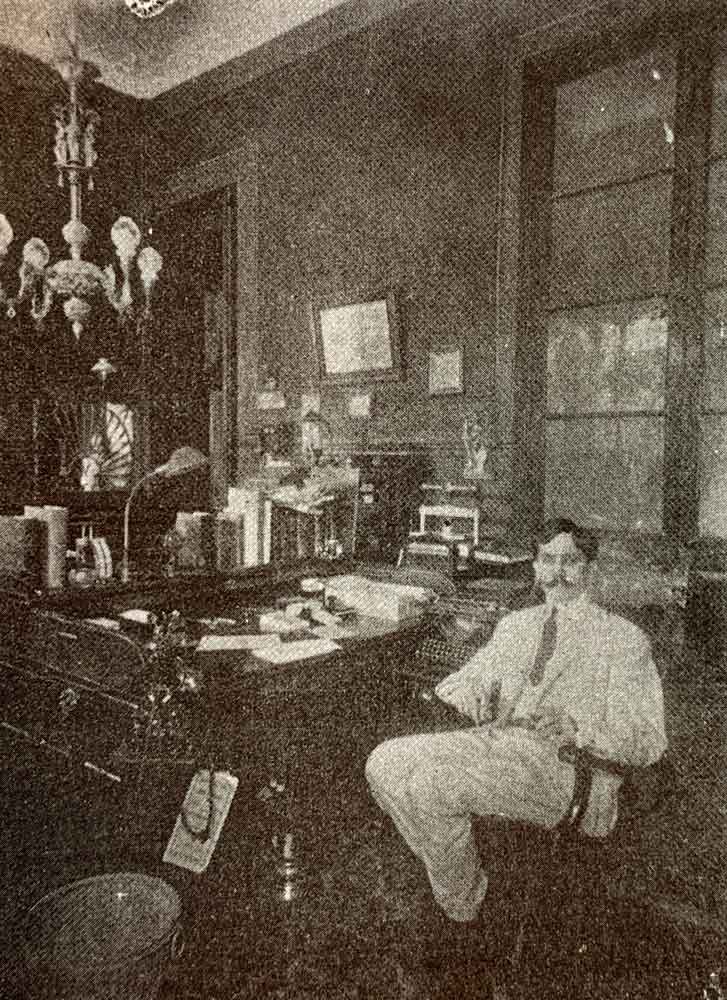
This photo shows Antonio Rivero in his luxurious office in the Por Larrañaga manufactory on Calle Belascoain No.2B. He, like his wife (later widow) Antonia Lopez, ran the brand with overwhelming success.
„Cigar par excellence“ - the big stage
Around 1900, the Por Larrañaga story was global: in Berlin, Paris, London, St. Petersburg and Vienna, it was known as the „cigar par excellence“; it could be found in the best hotels, clubs and restaurants on all five continents. The book „Havana Cigars“ (1910) even described it as the most important cigar brand of all. It was held in particularly high esteem in India, China and Japan - princes and maharajas are said to have smoked Por Larrañaga exclusively. Numerous awards emphasised its status and the brand was credited with making the „Habano“ truly famous.
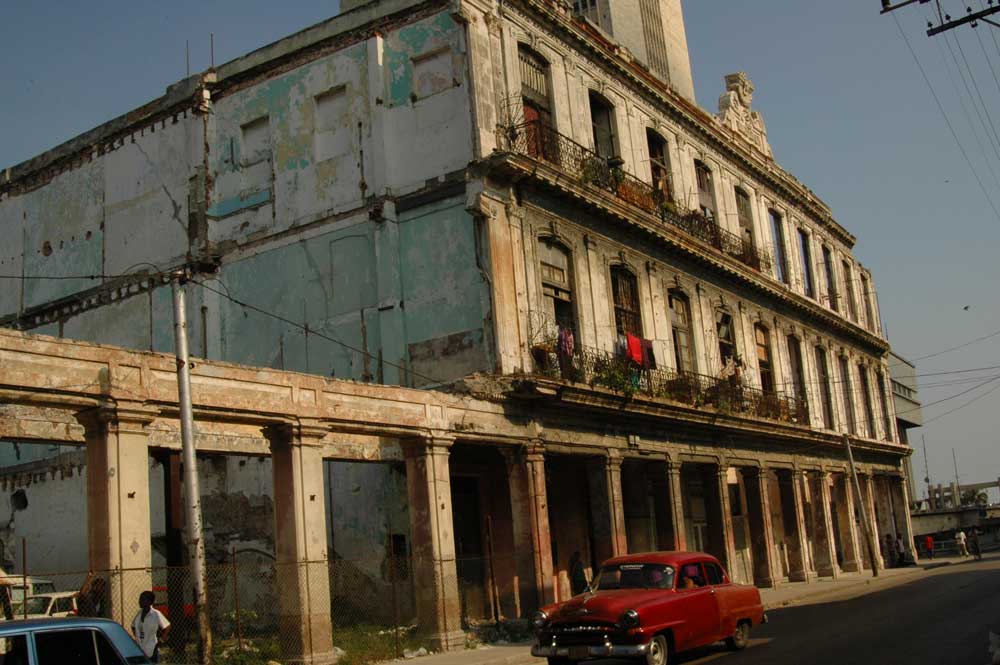
Antonio Rivero took over the Por Larrañaga brand in 1880 and had it officially re-registered in his name in 1882. From then on, the cigars were manufactured on Calle Belascoain No. 2B, the neighbouring building of the later famous Romeo y Julieta factory (far right in the picture).
Kipling and „There is peace in a Larrañaga“
Among his great admirers was Rudyard Kipling - author of „The Jungle Book“, master of the short story (The Man Who Would Be KingHis phrase „There is peace in a Larrañaga“ became legendary. In a commemorative publication celebrating the 100th anniversary of Partagás (1945), it is also said that Kipling even broke off an engagement after his partner gave him a choice: Cigars or me. The anecdote - whether true or well invented - has long been part of Por Larrañaga history.
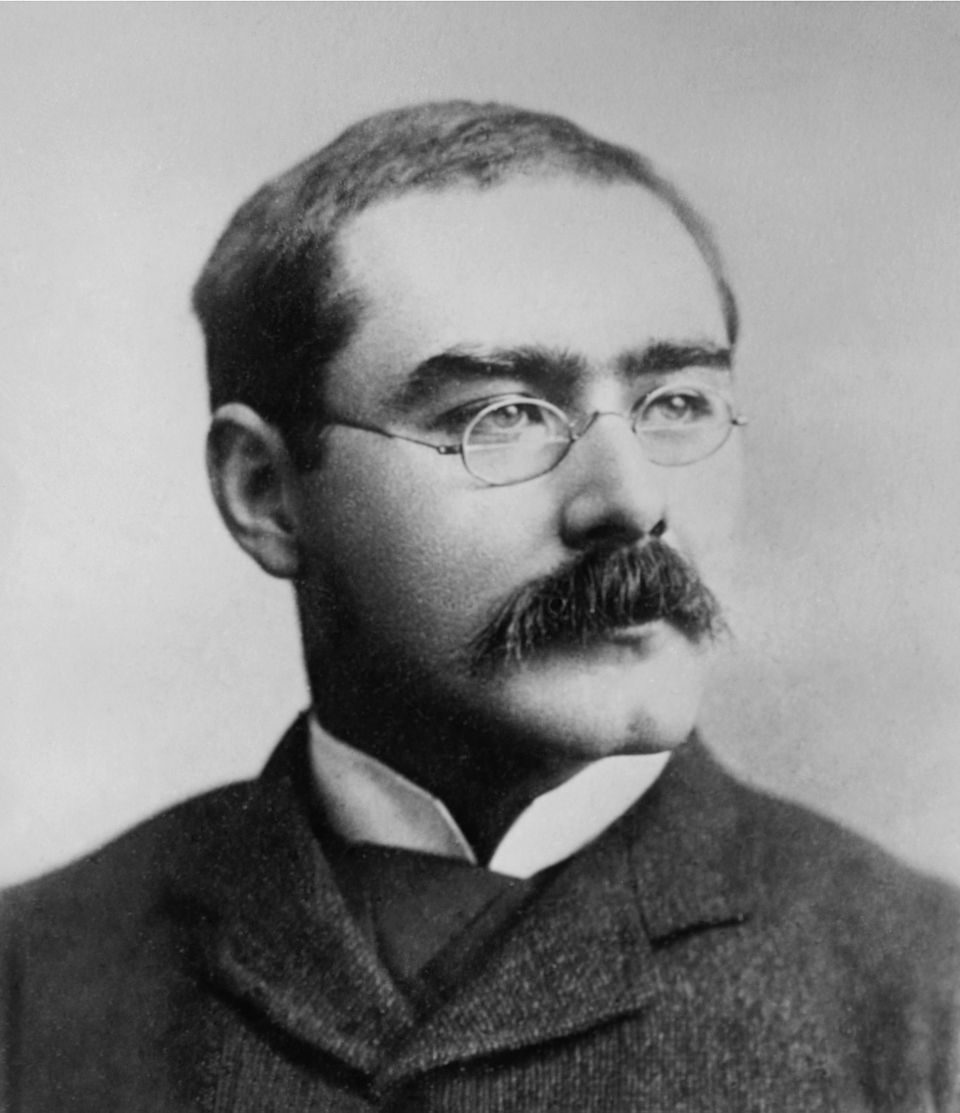
„There is peace in a Larrañaga“, as the world-famous author Rudyard Kipling, a fan of these cigars, famously said.
Independent despite American monopoly
Around 1900, Por Larrañaga topped the list of independent brands and factories in Cuba - independent of the American monopoly, which was buying up and centralising large parts of the industry at the time. Por Larrañaga's history shows a rare degree of independence during a period of intense consolidation. Por Larrañaga has always had its fans; one of the most prominent is Theodore Roosevelt (US President 1901-1909), who came to Havana especially to see where his favourite cigars were made.
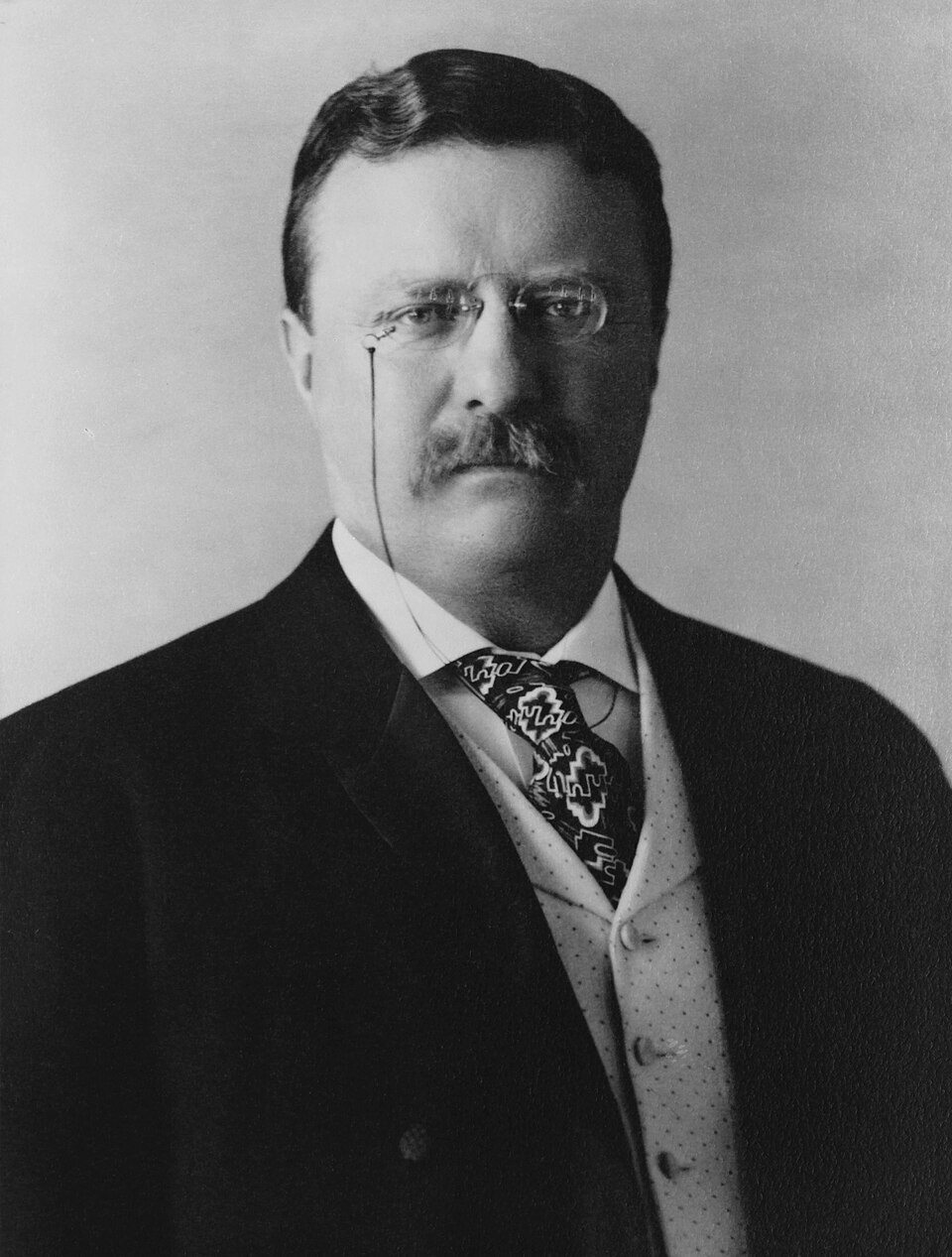
Theodor “Teddy” Roosevelt, American president, also loved Por Larrañaga brand cigars.
Change of ownership and the years leading up to the revolution
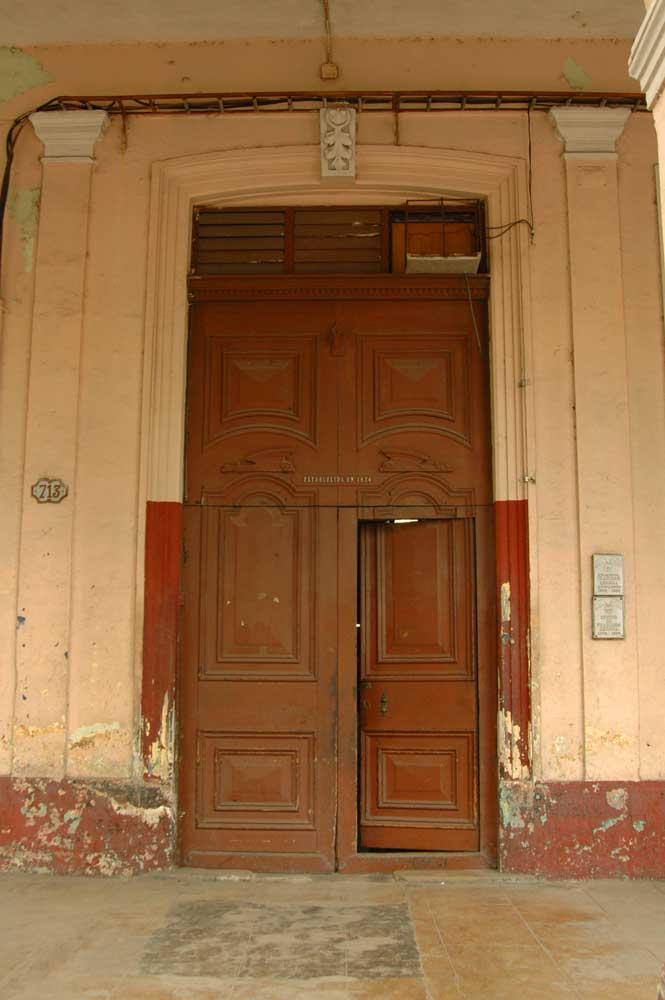
The world wars left their mark. Rivero's heirs held the brand and factory until 1937, when it was sold to Compañía Tabacalera Nacional Habana S.A. - in the same year, Antilla Cigars Co, a British company owned by Morris & Morris based in New York, took over. According to the 1940 commercial register, the Carlos III factory (then No. 225, now No. 713) produced numerous other brands in addition to Por Larrañaga, including Habanos 1834, La Legitimidad, La Gloria, La Atlanta, El Torcillo, Flor de Cimiente, Flor de Zavo, La Flor de Alvarez, Petronio and La Fraternidad. The factory was in operation until 2004 - but the brand's home from 1937 onwards - and was later home to Gonzalo R. de Arellano, the Alonso brothers and José and Adolfo Menéndez García, among others. In 1958 - just before the revolution - Por Larrañaga S.A. was the sixth largest cigar factory in Cuba, with an annual production of 3.8 million cigars.
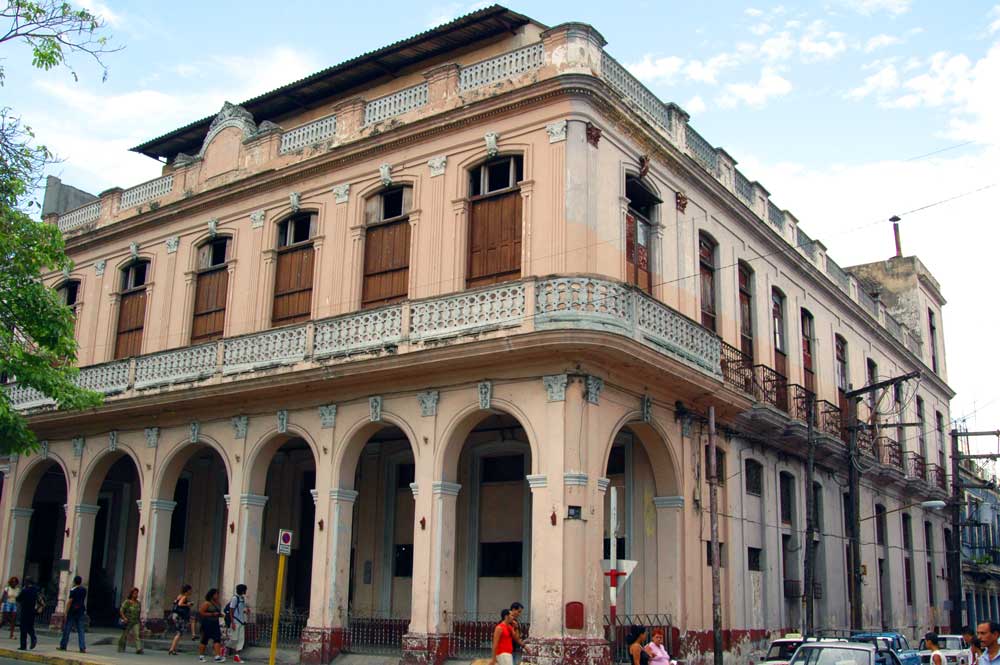
Probably the most famous factory of the Por Larrañaga brand on Calle Carlos III No. 713 (formerly 225). The building is still standing today.
A house tells a story - architecture and lettering
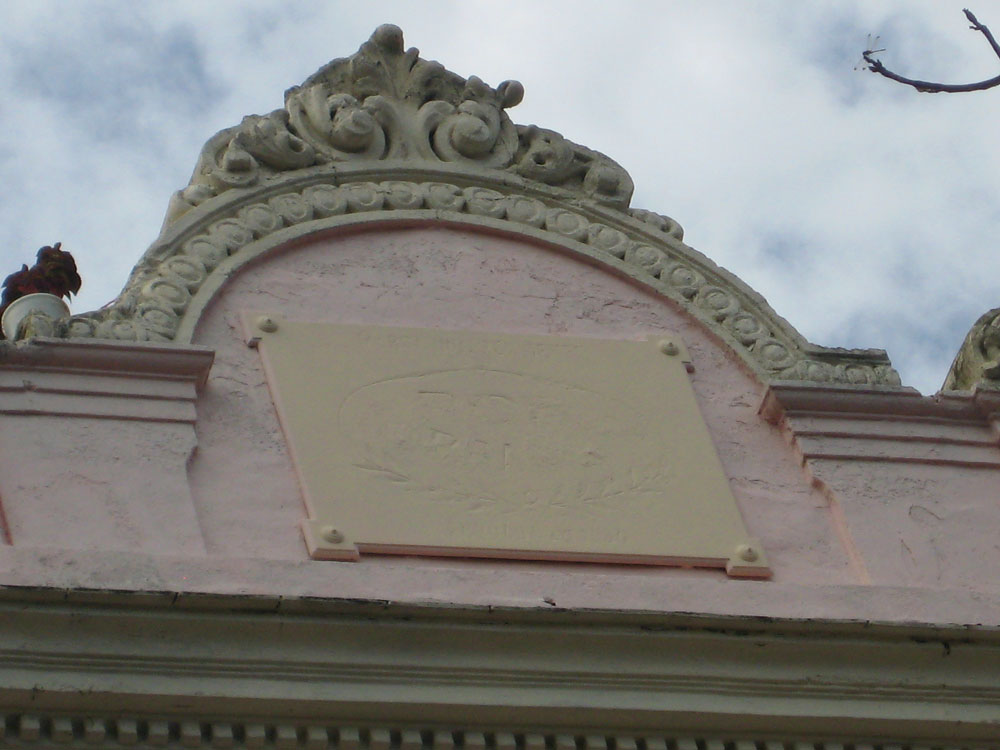
The year of construction of the factory on Calle Carlos III is not documented. Until a few years ago, the inscription „Establecida 1834“ was emblazoned on the entrance door - in all probability not the year of construction, but a trade mark. The plaque disappeared in the course of the renovation; the white door remained, but the stop is missing. Architecturally, the house is impressive with six high round arches on the ground floor, high rectangular windows on the first floor and a round gable. If you look closely, you can still recognise the remains of the lettering „Por Larrañaga“ on the gable - the plaque was left unchanged.
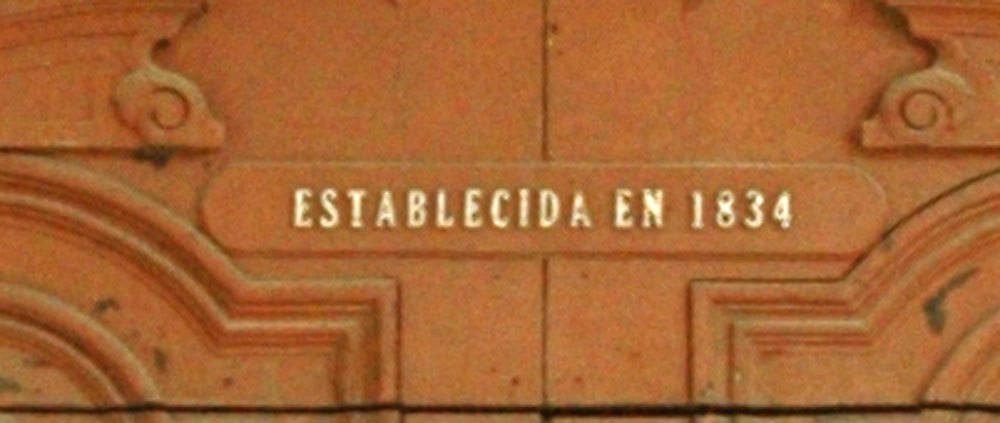
There was a notice on the door of the Por Larrañaga manufactory stating the year the brand was founded: 1834.
Closure, vacancy, refurbishment - and a new Rosa
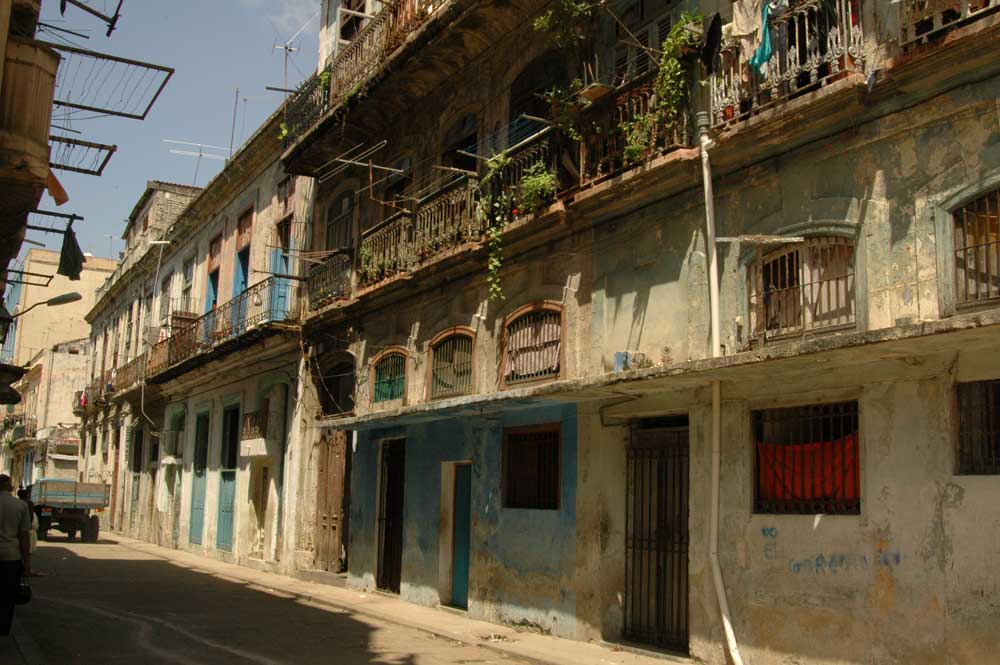
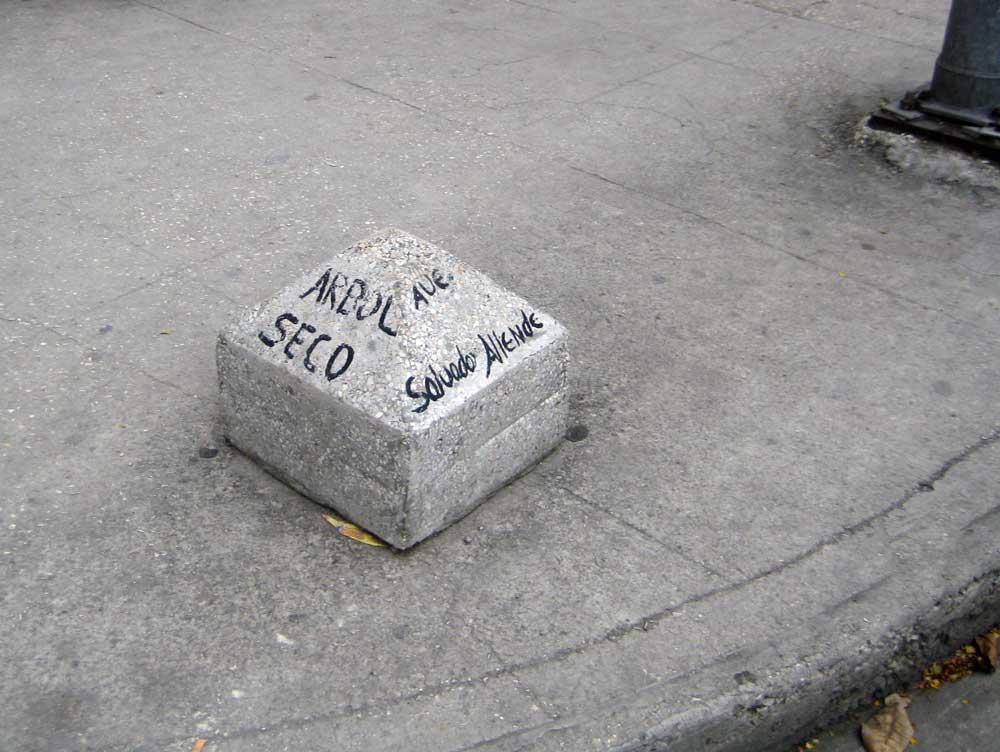
Calle Carlos III commemorates the Spanish king (1759-1788); today it is called Avenida Salvador Allende - although the old street name is still visible on old signs. The building is located on the corner of Calle Árbol Seco.
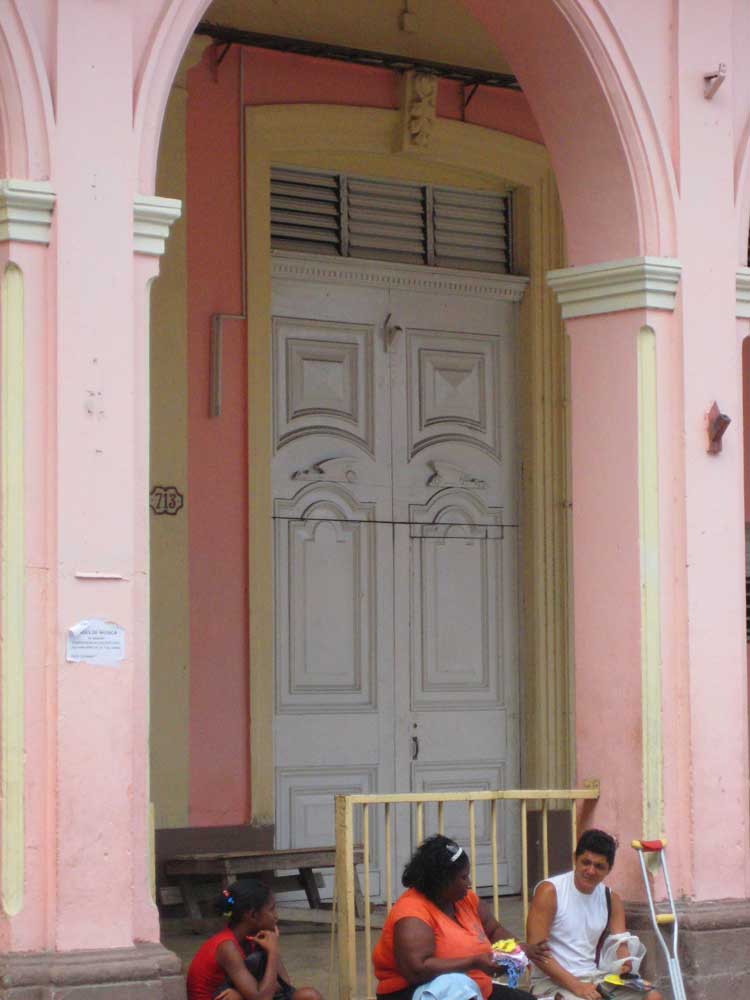
The factory closed in 2004, presumably due to dilapidation; the building stood empty until 2011. As is customary in Havana, an old man or woman guarded the building outside the door. In the summer of 2011, the interior was completely gutted; at the same time, efforts were made to preserve remnants of the old beauty. Since 2012, the building has been completely renovated in a bright pink colour; a sign „Comite militar C. Havana; Area de Atencion No.12“ hangs next to the entrance. Some of the original details have been lost - such as the curved fences between the columns or the old window grilles, which have been replaced by simpler versions.
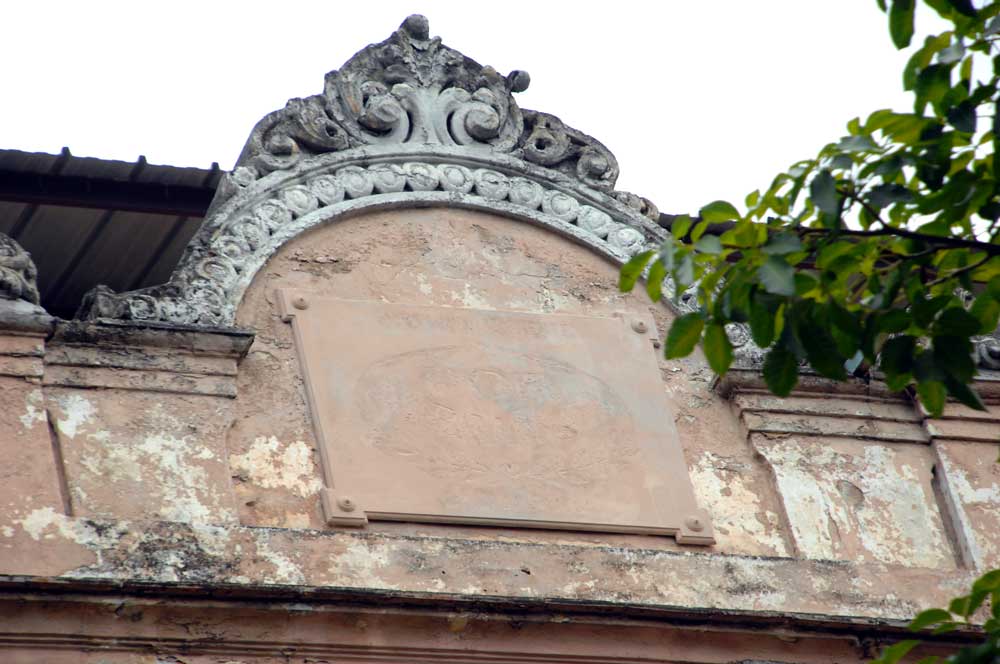
This sign is located on the gable of the former Por Larrañaga factory. With a good eye, the brand lettering can still be recognised.
Luxury and low-budget - the Entredías line
Parallel to the luxury cigars, the Por Larrañaga story also ran a second line: Entredías (daytime/during the day) - very cheap, offered at „5 por 20 cents“. Such parallel worlds were common at the time: in addition to premium cigars, large houses ran cigarette lines or inexpensive machine-made cigars, thus serving the entire market.
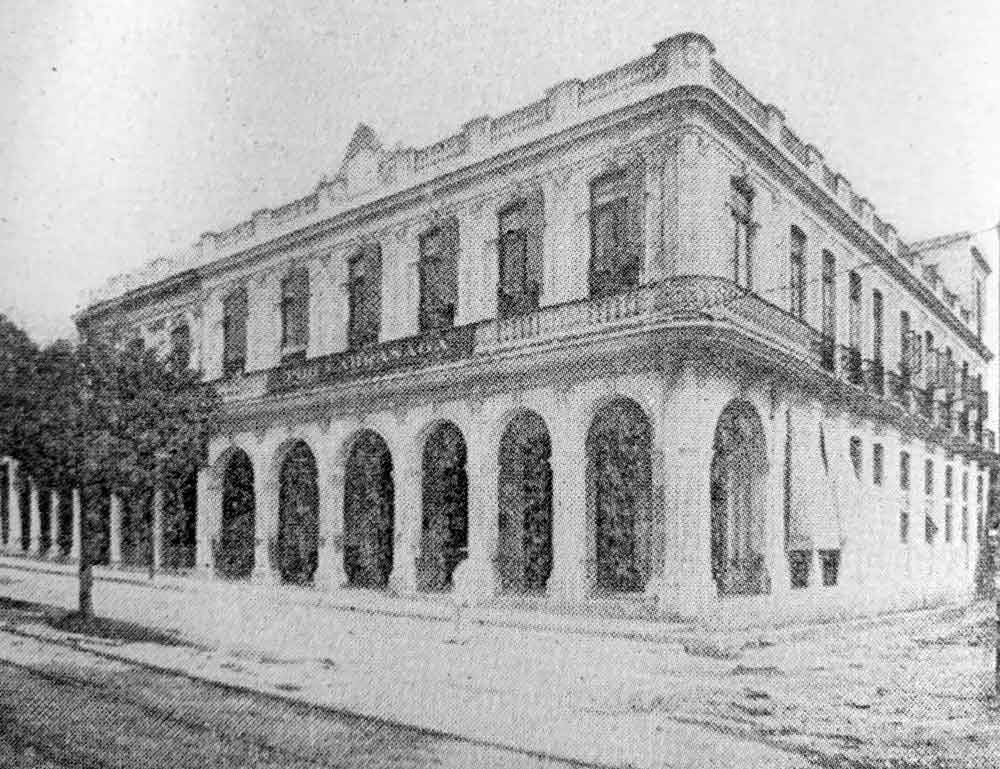
Here is a historical photo of the former Por Larrañaga factory on the Carlos III in Havana.
After the revolution - what remained, what is today
Over the years following the revolution, the Por Larrañaga story fell into oblivion despite its former fame. Only a few importers in a few countries maintain the brand to this day. The range of formats has also shrunk considerably: Montecarlos, Panetelas and Petit Coronas are the current lines - a brief but characterful reminiscence of the great past.
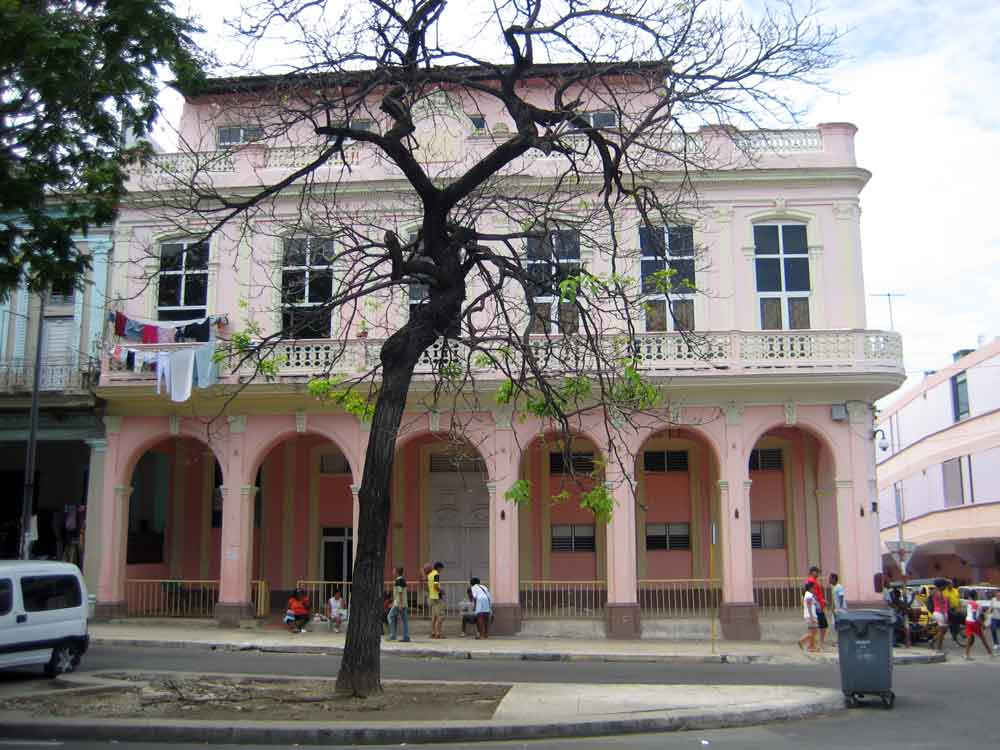
The building of the former Por Larrañaga factory has been completely renovated since 2012. It now shines in a soft pink colour. It is not known whether this is the colour the building used to be. The black and white photos do not show this.
Conclusion - What the Por Larrañaga story tells us
The Por Larrañaga story is a panorama of Habano history: early founding, world fame, autonomy despite waves of monopolies, changes of ownership, an iconic factory house between royal and presidential names - and a brand name that lives on even in a reduced portfolio. Anyone who knows them will understand why „There is peace in a Larrañaga“ still resonates today.
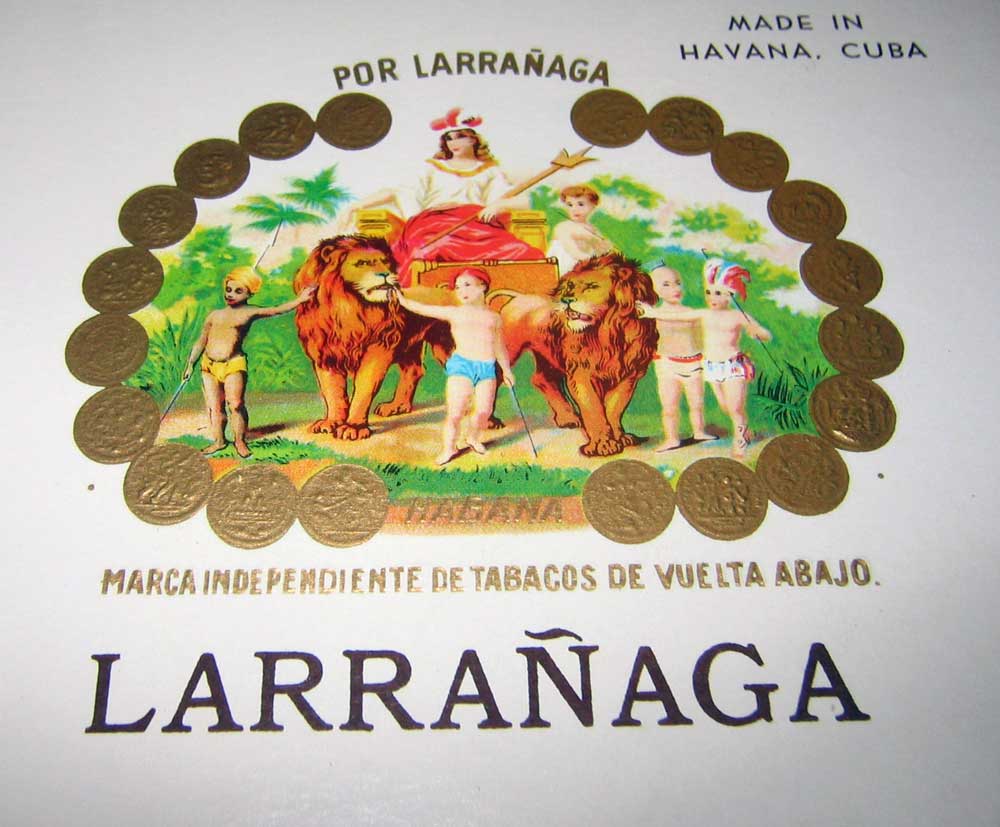
Por Larrañaga, formerly a luxury brand and known worldwide for one of the best cigars in the world.
Here you will find the Por Larrañaga manufactory
If the live folder does not work, please click here for Por Larrañaga Manufaktur.
Picture credits
- Claudia Puszkar
- Rudyard Kipling, Wikipedia
- Theodore „Teddy“ Roosevelt, Wikipedia
- Adriano Martinez Rius: “The Great Habano Factories”, Barcelona 2005, ISBN: 84-609-4024-1
- Adrian Martinze Rius: “The Great Book of the Habano”, Barcelona 2010
- Cover picture: Vasilij Ratej
Curated for you
External website: Experience the Habanos Club in Germany
At Origin Of Cigar: THE PLEASURE LETTER by Origin Of Cigar: A curated email celebrating the fine pleasures of Cuban cigar culture.
Historical Habanos manufactories documentary film
In this film, their stories - and their true faces - are uncompromisingly revealed. This is far more than just a documentary film - it is a journey into the soul of Cuba.

What is in your drawers?
Some chapters in the history of cigars still lie in hidden in drawers, archives or private collections. Do you own Records, documents or references to Cuban cigar brands? Or do you know Sources, that could help with historical research? Then please send us an e-mail. Claudia Puszkar will contact you personally and discuss everything else with you. Together we can Bringing buried stories back to light. 👉 admin@origin-of-cigar.com
New to Cuban cigars? Or deep into it?
FAQ - Read the frequently asked questions
Open the glossary of Cuban cigars
Who is behind Origin Of Cigar?
Who we are and how you can reach us → Please click here
Por Larrañaga Photo Gallery
If you do not see the photo gallery, please click here for the Por Larrañaga photo gallery
References
- Min Ron Nee:
- “AN ILLUSTRATED ENCYCLOPAEDIA OF POST-REVOLUTION HAVANA CIGARS” / Hong Kong 2003, ISBN: 978-3980930826
- Instituto de Investigaciones del Tabaco Cuba:
- „The world of Habanos“ / Havana 2013, ISBN: 978-959-7212-08-9
- Adriano Martínez Rius:
- “Habano the King” / Barcelona 1998, ISBN: 84-930387-1-7
- Adriano Martinez Rius:
- “The Great Habano Factories” / Barcelona 2005, ISBN: 84-609-4024-1
- Orlando Quiroga:
- “El Habano al rojo vivo” / Havana 2002
- Enzo A. Infante:
- “Havana Cigars 1817-1960” / Neptune City 1997
- Eumelio Espino:
- “El Habano - De la semilla al puro en 539 pasos” / Madrid 2019, ISBN: 978-84-09-07091-6
- Alexander Groom:
- “El Habano Moderno” / Helios House Press 2022, ISBN: 978-911683-05-6
You are here:

 Deutsch
  Español
  English (UK)
  Français