
Partagás history: the unique success story of a Habanos icon

Partagás history - Why the cigar brand still fascinates today: If you love the history of Habanos, there is no Partagás no way round it. Founded in 1845, Partagás stands for character, continuity and the Cuban cigar like almost no other brand. Behind the brand is a man whose life was anything but straightforward: ambitious, keen to experiment, full of conflict - and ultimately overshadowed by an unsolved crime. It is precisely this mixture of genius, risk and myth that makes the Partagás history so irresistible.
Where do cigars come from?
Table of contents
The beginnings: A youngster conquers the Vuelta Abajo
Jaime Partagás y Rabell came to Cuba as a teenager in 1831 and learnt the trade from scratch in the Vuelta Abajo. He worked on the plantations with the vegueros under the scorching sun and in the torrential rain. He accompanied the tobacco transports, which were anything but safe and easy. He smelled bundles of freshly fermented leaves - and developed a keen sense for tobacco and its quality. The apprentice became an entrepreneur, starting out in a modest chinchal and quickly becoming a permanent fixture in the Havana cosmos.
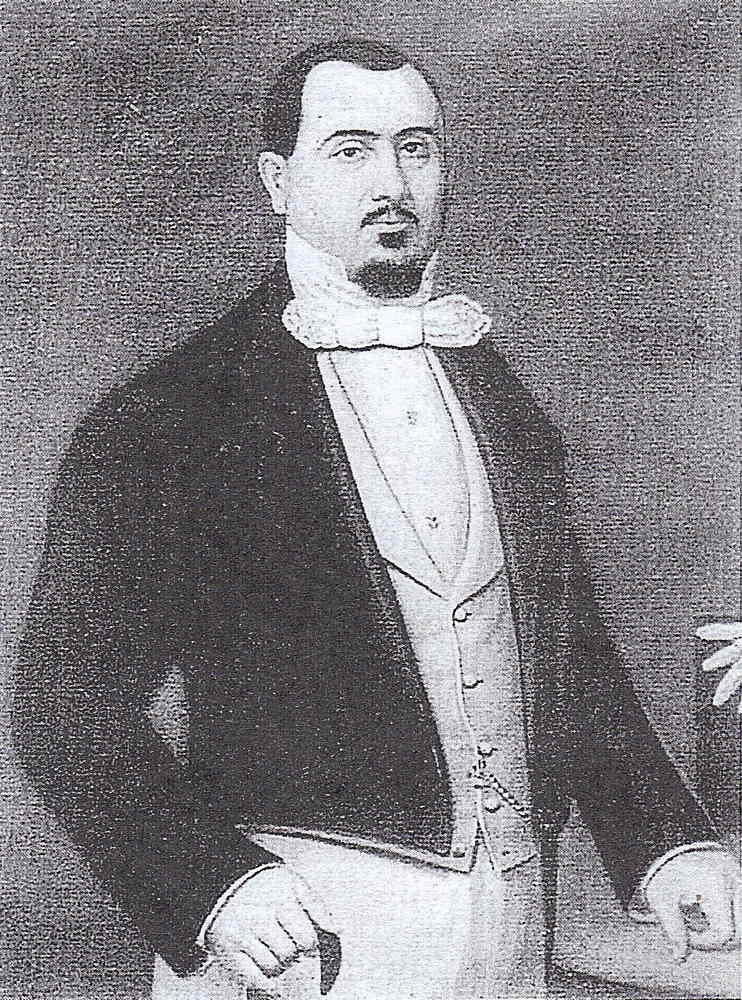
Don Jaime Partagás: one of the most important personalities in the cigar industry. Determined, ambitious, always intent on success, sometimes unscrupulous.
Innovation as a driving force: fermentation, maturity and uncompromising selection
Partagás was not an administrator, but a creator. He experimented with fermentation, patiently observed the maturing cycles and uncompromisingly selected tobaccos according to quality, not convenient availability. The result: cigars with structure, depth and a signature that connoisseurs still recognise today - dark spicy undertones, elegant bitters, carried by an astonishing balance. This is how the Partagás story became a tale of craftsmanship and quality early on.
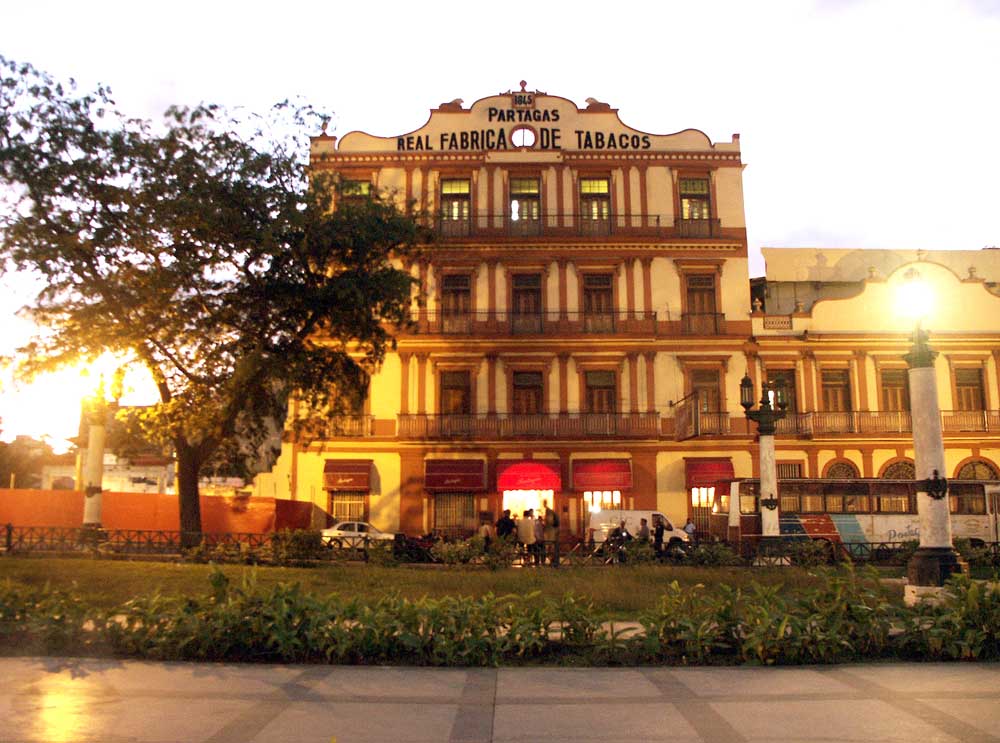
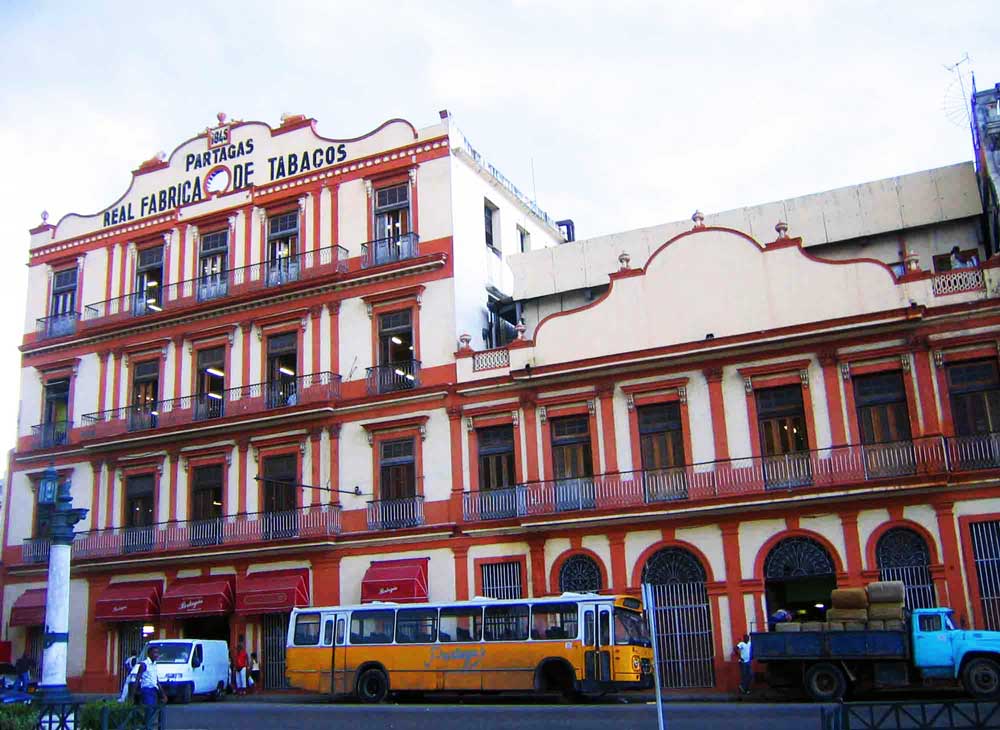
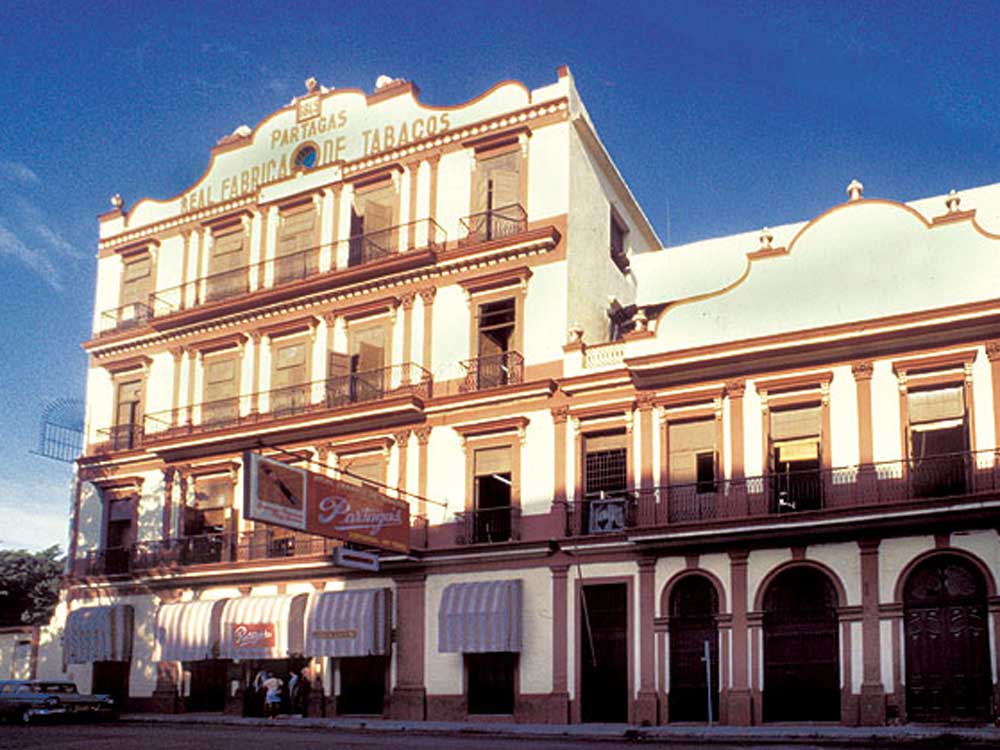
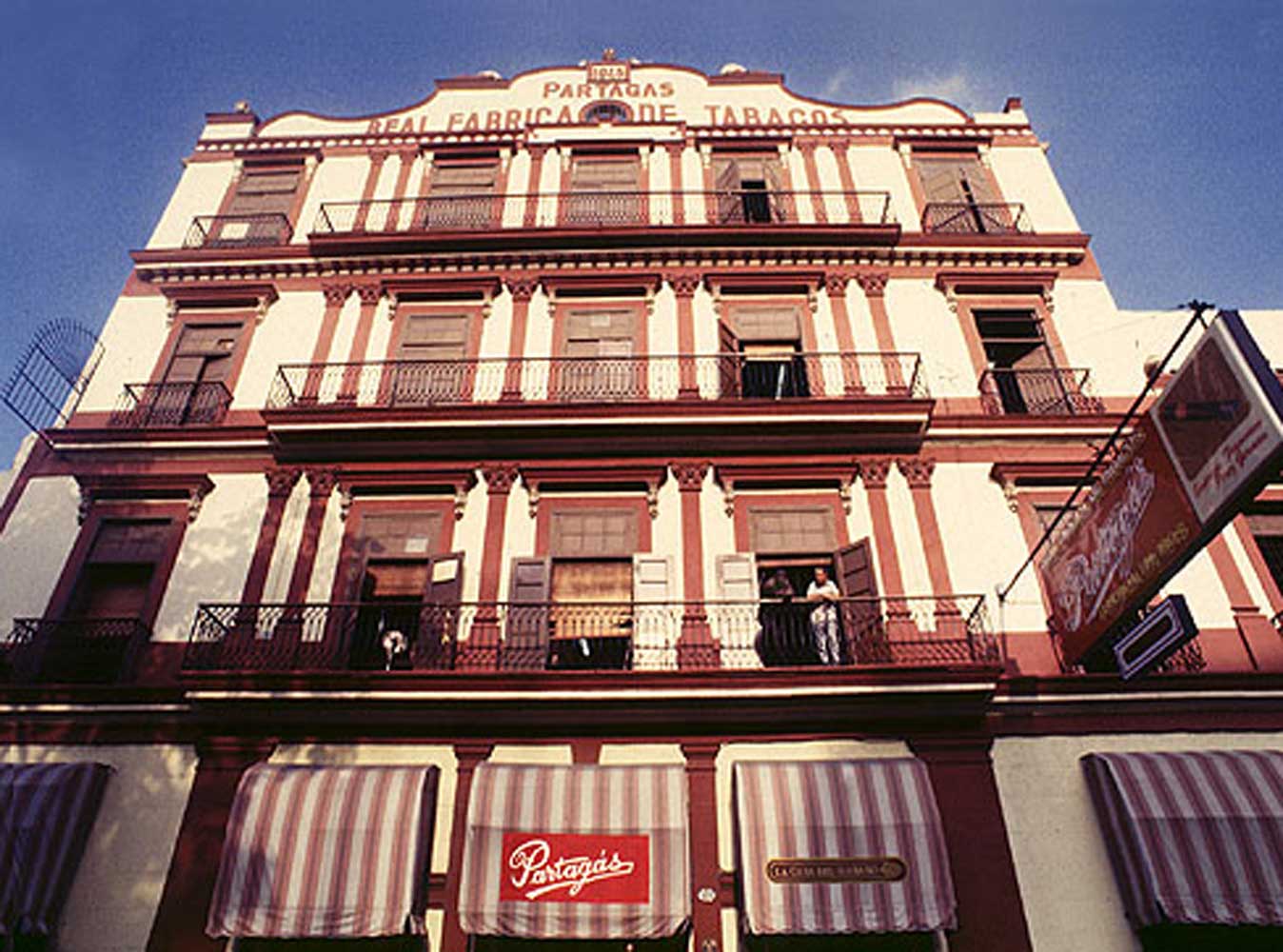
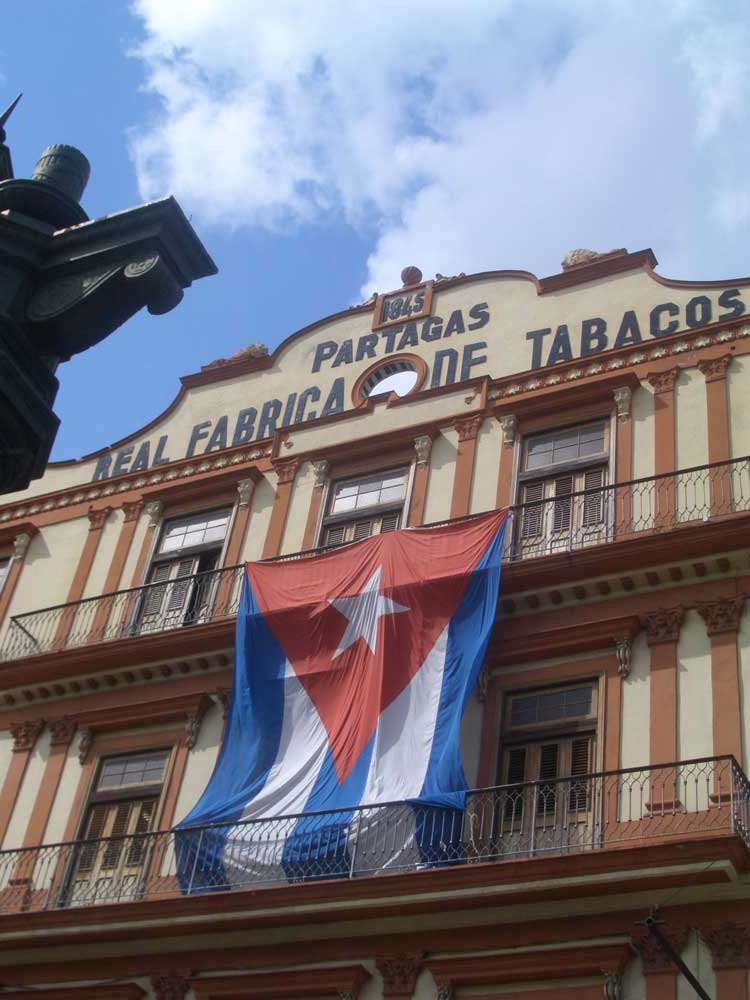
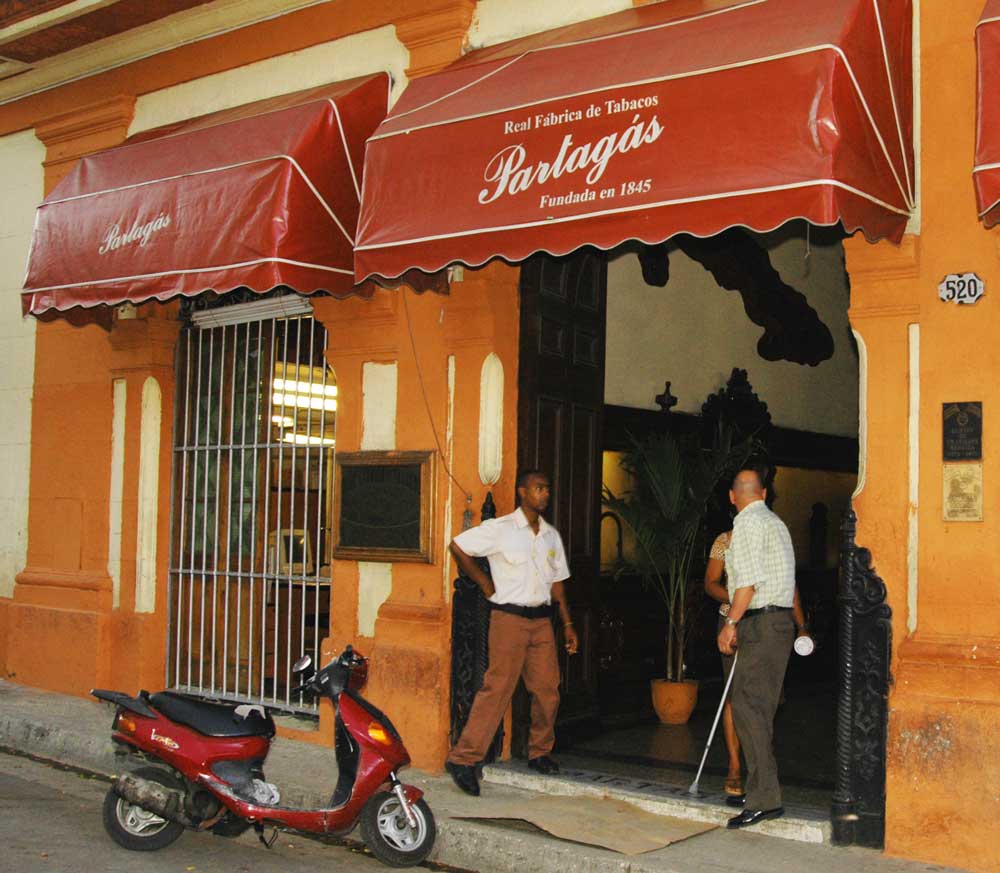
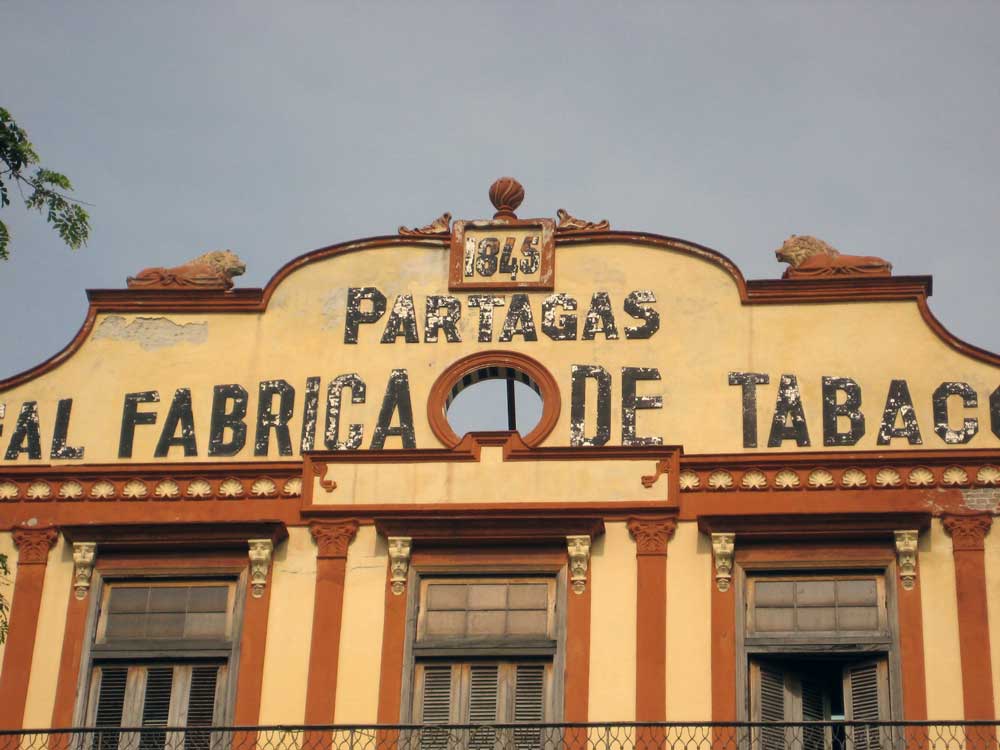
The now former Partagás factory directly behind the Capitol on Calle (street) Industria No. 520, formerly No. 174 and 172, where the famous Partagás cigars were made from 1900 to 2011.
Sharp on the edge: brands, power games and long shadows
Success creates friction. Jaime operated with a hard edge in business, which created friends and enemies. He skilfully but illegally used another brand name to sell his own cigars. Extensive legal disputes turned a competitor into a bitter opponent.
He came into possession of first-class plantations through creative credit models. Those who could not service their debts negotiated the fields - often in Jaime's favour. In this way, he collected first-class sites in the Vuelta Abajo, but also enduring resentment. Boundary stones were moved, neighbourhoods poisoned. Even in private, amorous affairs created a charged atmosphere.
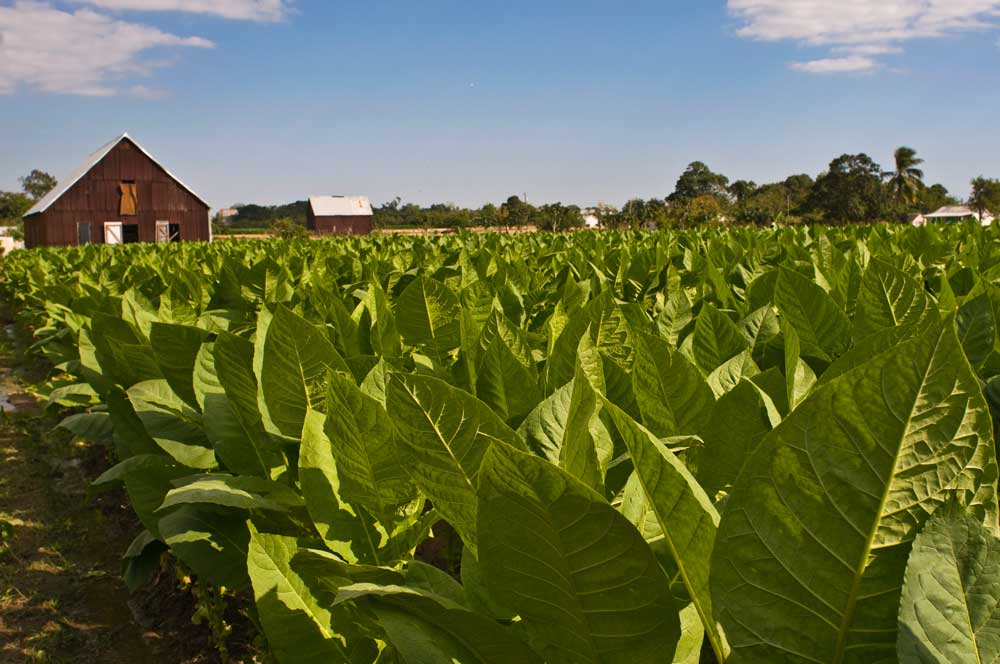
Jaime Partagás owned some of the best plantations in the Vuelta Abajo and therefore always had access to the best tobacco.
1868: Murder, rumours - and the beginning of a legend
When Jaime Partagás was murdered in 1868, the crime remained unsolved. One suspect died in prison and the background was never fully clarified. There were rumblings in the factory: workers claimed to have seen the ghost of their patron. They only returned to their workbenches after being blessed by priests and a santera. Whether superstition or psychological processing - people and brand merged in the cultural memory. The Partagás history took on a mythical flavour that still resonates today.
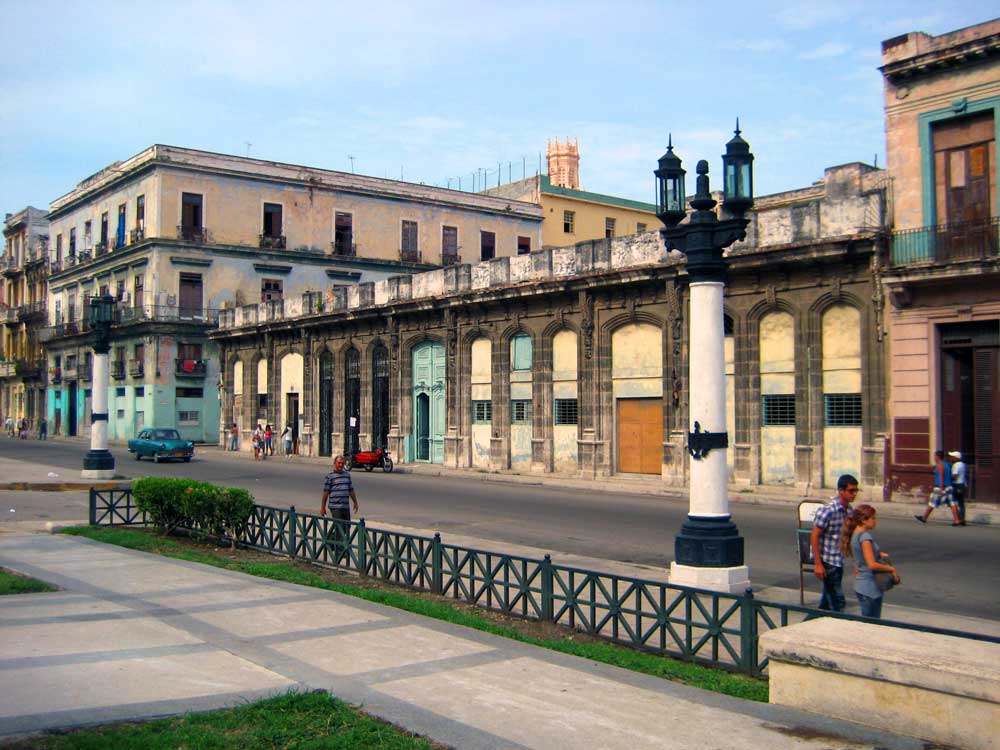
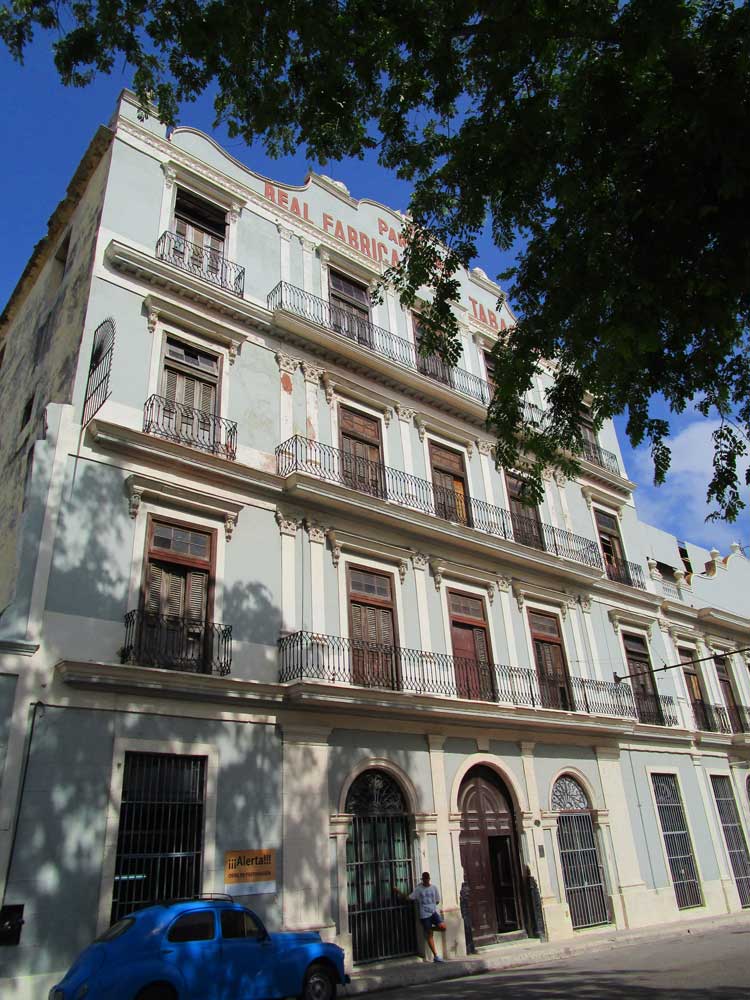
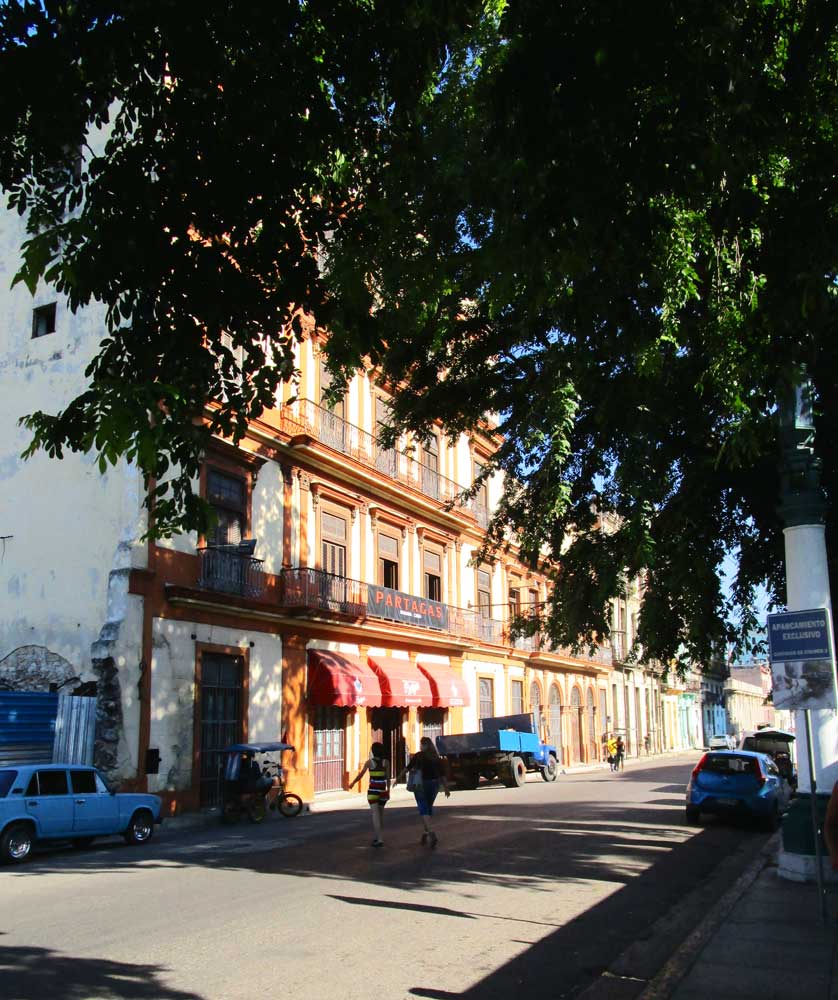
Jaime Partagás worked in the building on the left, now Calle (street) Industria No. 160. It was only under his successors that the factory moved to the now famous building at Calle (street) Industria No.520.
Transition and departure: From the son to the new owners
After the founder's death, his son José took over - but he lacked the brilliance and polish of his father. Financial bottlenecks led to the sale to the banker Juan Antonio Bances. He stabilised the structures and paved the way for the man who would lead the brand into the 20th century: Ramón Cifuentes.
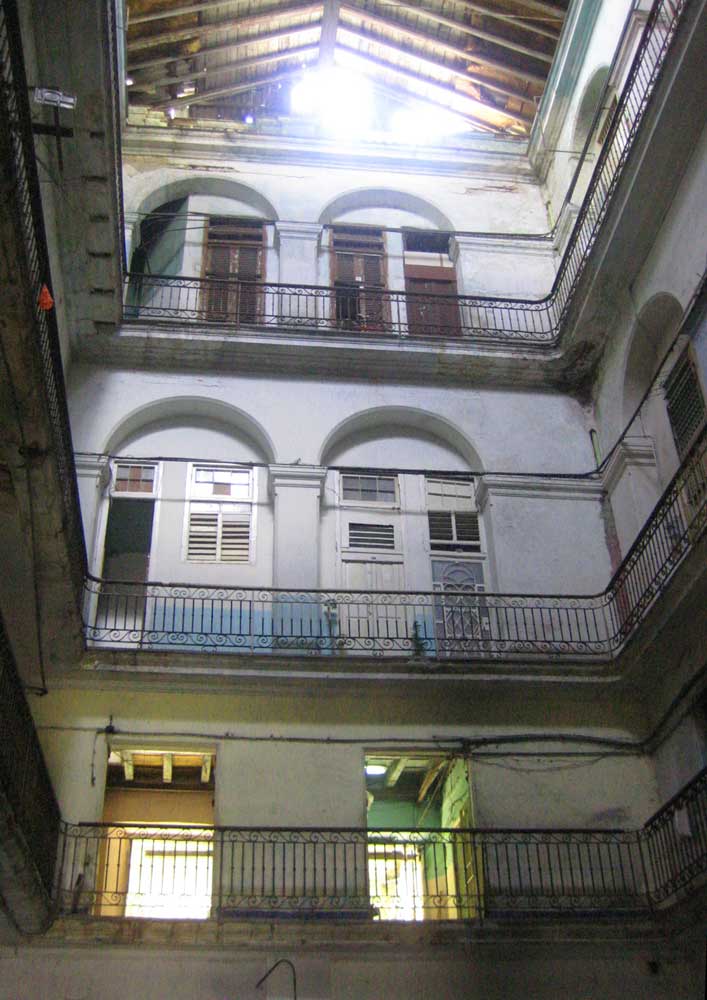
It is here, in this house, that the restless spirit of patron Jaime Partagás is said to have wreaked havoc after his death. A Catholic priest and a santera were able to banish him with their combined strength and faith.
The Cifuentes era: quality, brand, momentum
From 1899, the Cifuentes family shaped the future: strict tobacco selection, uncompromising quality thinking and a brand structure that set standards in Havana. The legendary Partagás ABC professionalised communication and trade; at the same time, a portfolio grew which, in addition to Partagás, also included illustrious names such as Ramón Allones and Bolívar. In times of crisis - from wars to the global economic crisis - the company stayed on course: not with volume, but with substance. The declared secret of success: a clear sensory signature that gave orientation to production and gave customers worldwide confidence.
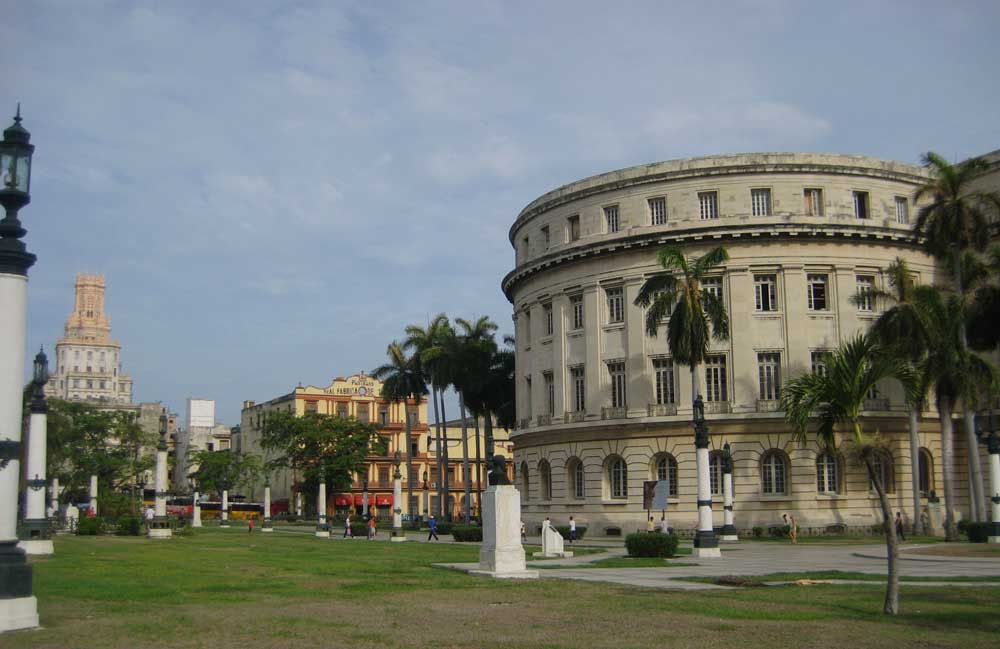
The former Partagás factory is located directly behind the Capitol, a cigar landmark. Currently a building site, this building is to house a tobacco and cigar museum.
Storms of history: And Partagás remains
Cuba experienced political upheavals, economic fluctuations and finally the revolution in 1959. Nationalisation radically changed the ownership landscape and the Cifuentes family left the island. However, the essence of the brand - knowledge, experience and craftsmanship - remained in the hands of the torcedores, ligadores and jefes de galera. This is why the Partagás story is also a lesson in resilience: if the craftsmanship is right, cigars retain their character, even if the world around them changes.
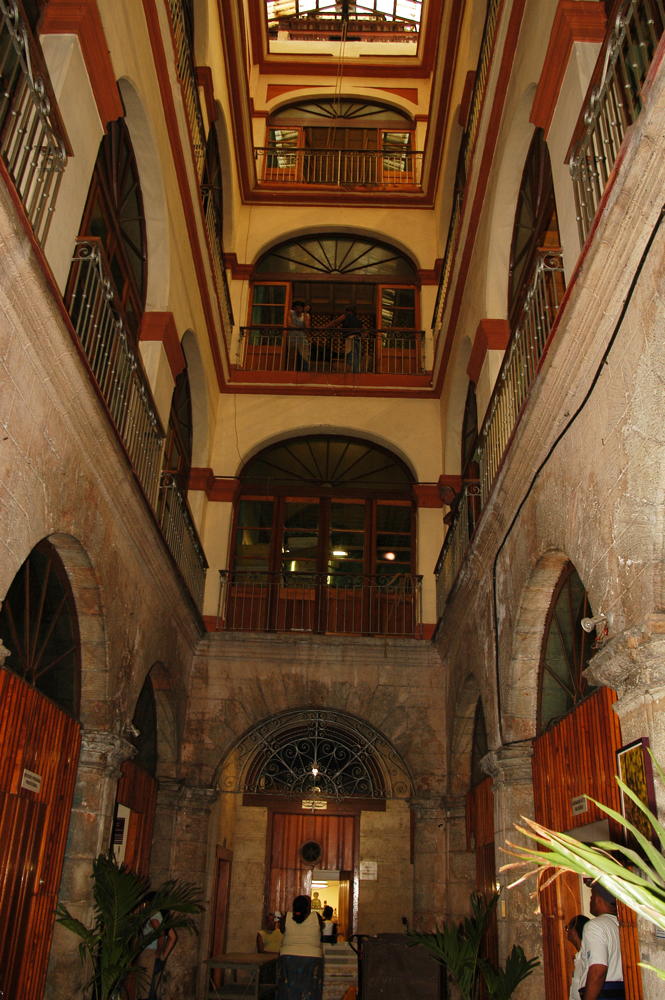
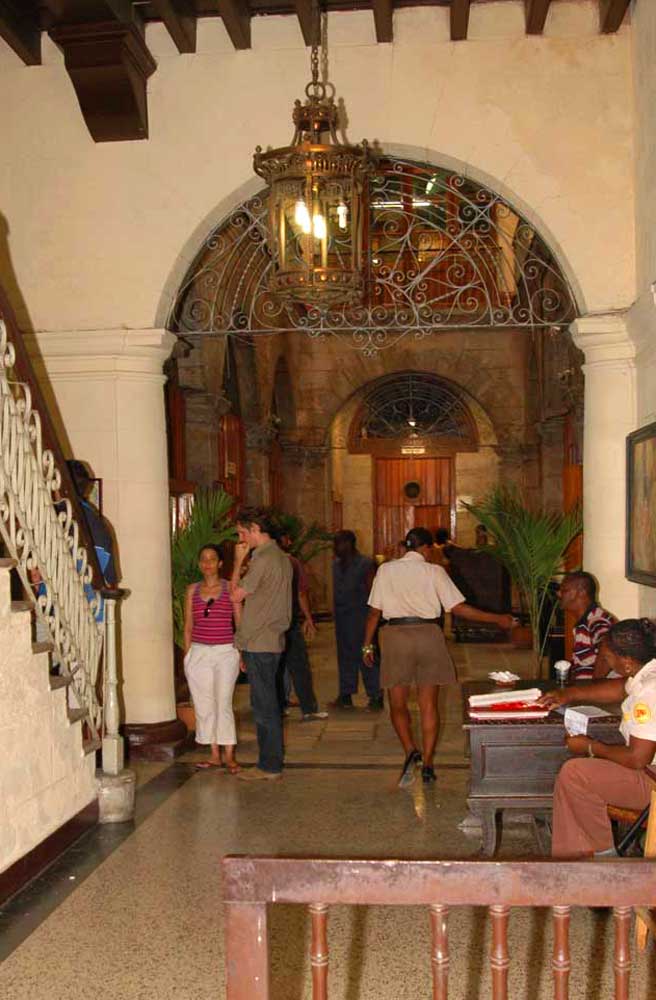
A look into the patio of the famous Partagás factory: torcedores and many other hard-working hands labour tirelessly on four floors to produce the world-famous Partagás cigars.
What we taste in a Partagás today
When you light up a Partagás today, you experience the distilled sum of almost two centuries: the dark spice of good Vuelta Abajo tobaccos, the fine wood and cocoa notes, a hint of leather, occasional floral peaks, always carried by calm strength. This blend of depth and discipline, drama and strength - this is precisely what has elevated the brand to the status of an icon. The Partagás story is therefore more than history; it is lived identity in smoke.
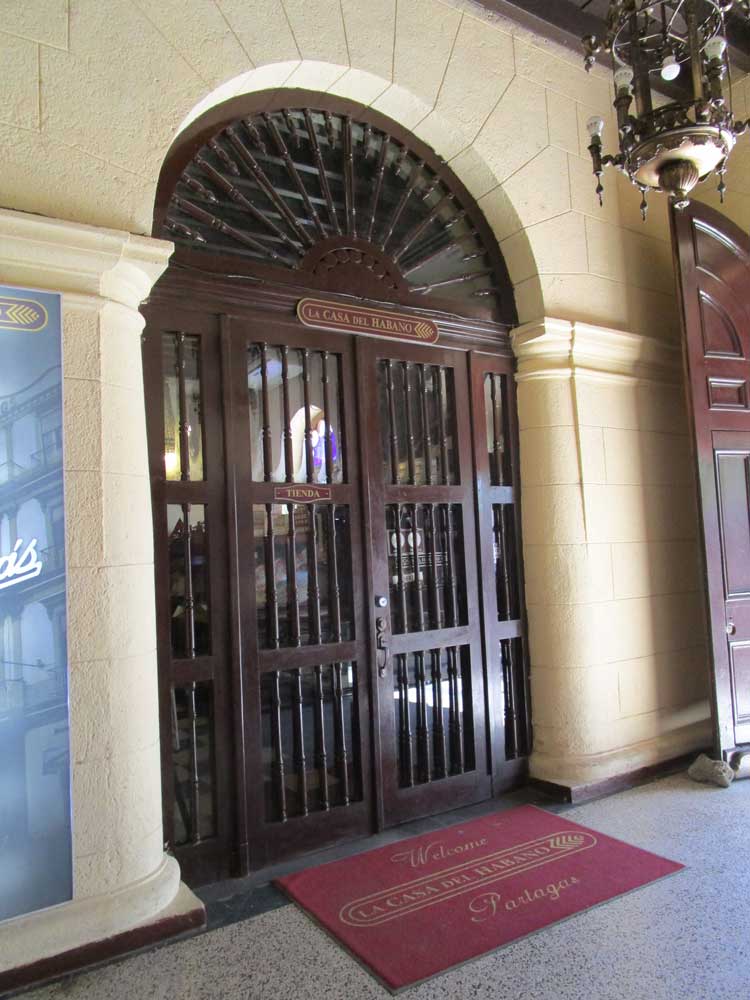
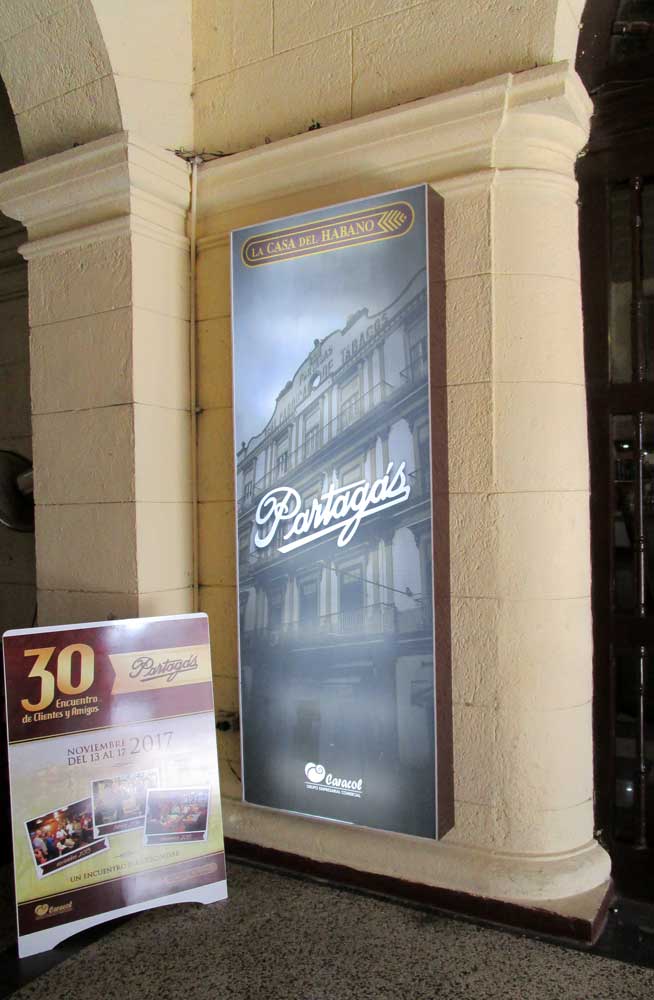
For decades, the “Casa del Habano Partagás“ in the former manufactory was one of the favourite places for many cigar lovers to buy Habanos. The „Casa“ moved a few years ago.
Conclusion: A novel in red and gold
Partagás is not a chapter, but a novel - with heroism and mistakes, with dishes and rumours, with loss and perseverance. Perhaps this is where the magic lies: cigars that taste of the past without being old. Cigars that hold their line precisely because they have taken many turns. For aficionados, this means reliability - and for the curious, a promised aha-experience: anyone who smokes the first Partagás consciously understands why the Partagás story still needs to be told today.
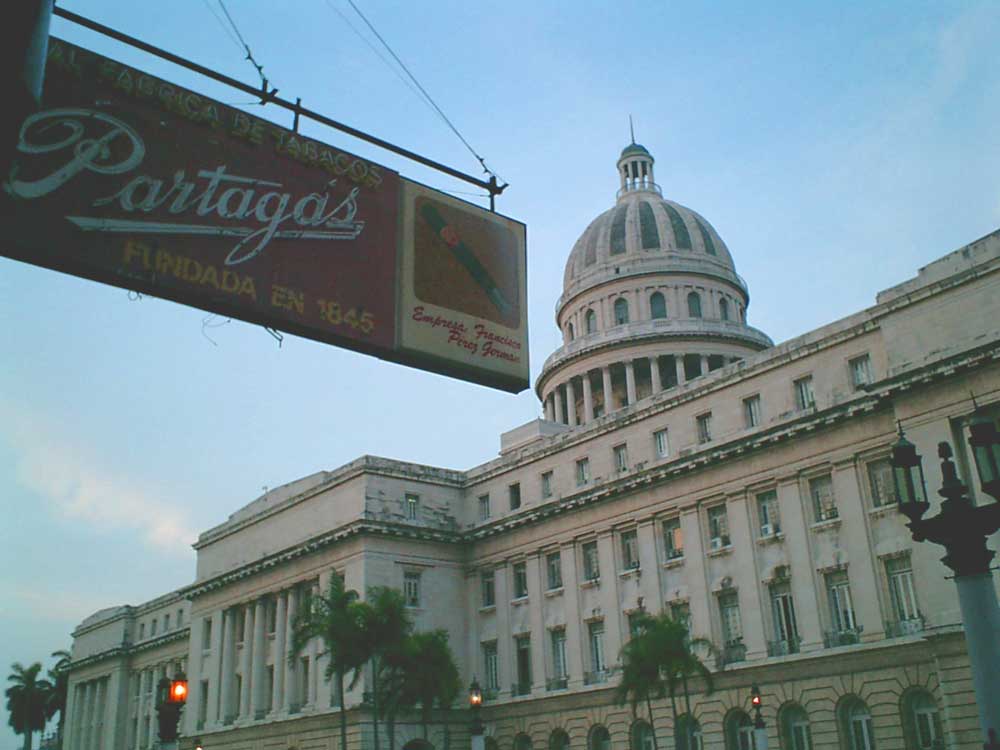
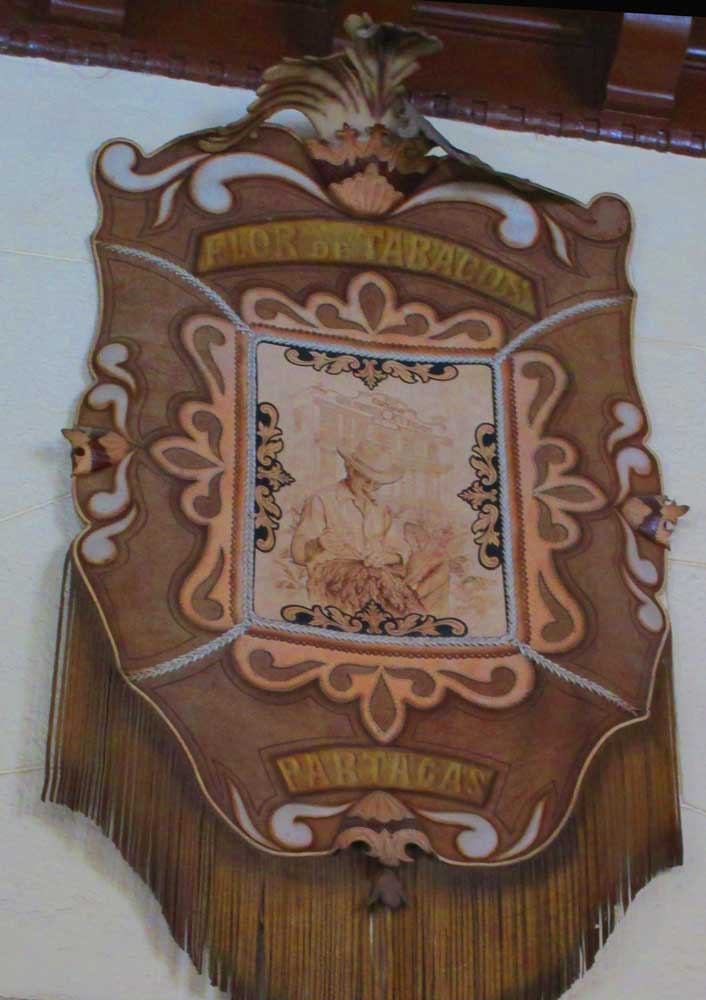
This sign hung on the façade of the Partagás factory for a long time. The current Partagás factory is located on Calle (street) San Carlos in the Centro Habana district.
Here you will find the Partagás manufactory
If the live folder does not work, please click here for the Partagás manufactory.
Picture credits
- Portrait of Jaime Partagás: Wikipedia
- Claudia Puszkar
Curated for you
External website: Portrait of Jaime Partagás: Wikipedia
Historical Habanos manufactories documentary film
In this film, their stories - and their true faces - are uncompromisingly revealed. This is far more than just a documentary film - it is a journey into the soul of Cuba.

What is in your drawers?
Some chapters in the history of cigars still lie in hidden in drawers, archives or private collections. Do you own Records, documents or references to Cuban cigar brands? Or do you know Sources, that could help with historical research? Then please send us an e-mail. Claudia Puszkar will contact you personally and discuss everything else with you. Together we can Bringing buried stories back to light. 👉 admin@origin-of-cigar.com
New to Cuban cigars? Or deep into it?
FAQ - Read the frequently asked questions
Open the glossary of Cuban cigars
Who is behind Origin Of Cigar?
Who we are and how you can reach us → Please click here
Partagás Photo Gallery
If you do not see the photo gallery, please click here for the Partagás photo gallery
References
- Min Ron Nee:
- “AN ILLUSTRATED ENCYCLOPAEDIA OF POST-REVOLUTION HAVANA CIGARS” / Hong Kong 2003, ISBN: 978-3980930826
- Instituto de Investigaciones del Tabaco Cuba:
- „The world of Habanos“ / Havana 2013, ISBN: 978-959-7212-08-9
- Adriano Martínez Rius:
- “Habano the King” / Barcelona 1998, ISBN: 84-930387-1-7
- Adriano Martinez Rius:
- “The Great Habano Factories” / Barcelona 2005, ISBN: 84-609-4024-1
- Orlando Quiroga:
- “El Habano al rojo vivo” / Havana 2002
- Enzo A. Infante:
- “Havana Cigars 1817-1960” / Neptune City 1997
- Eumelio Espino:
- “El Habano - De la semilla al puro en 539 pasos” / Madrid 2019, ISBN: 978-84-09-07091-6
- Alexander Groom:
- “El Habano Moderno” / Helios House Press 2022, ISBN: 978-911683-05-6
You are here:


 Deutsch
  Español
  English (UK)
  Français
  Italiano