
San Cristóbal de la Habana Cigars: A gigantic declaration of love for Havana – as a cigar


San Cristóbal de la Habana Zigarren is a less than 30-year-old Habanos brand that bears the historical name of the city of Havana.
Where do cigars come from?
Table of contents
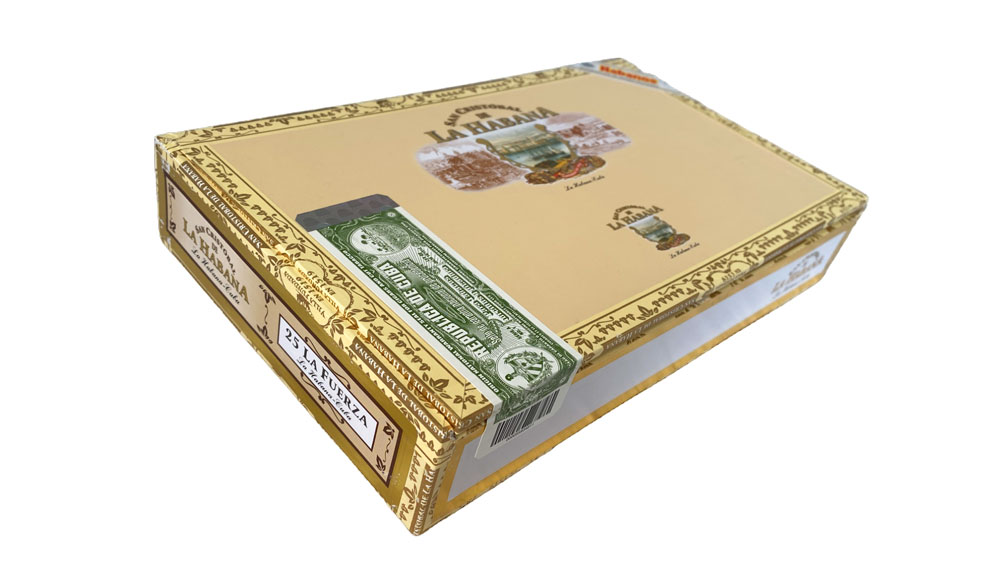
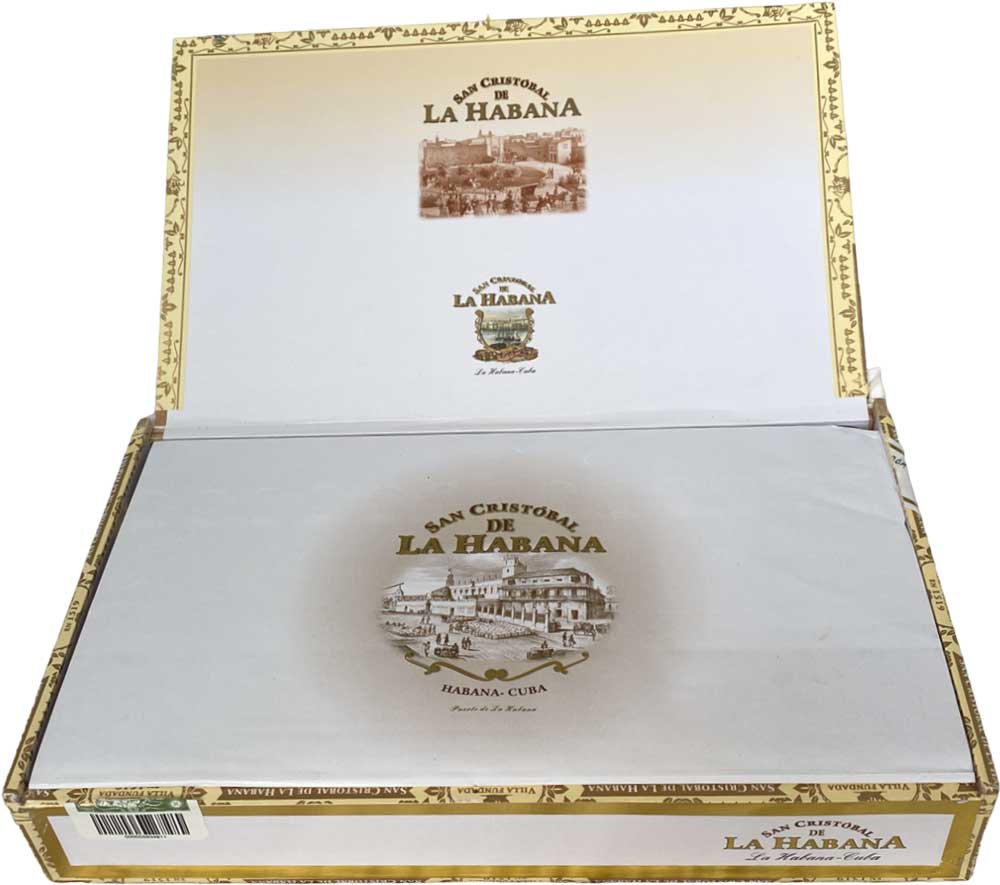
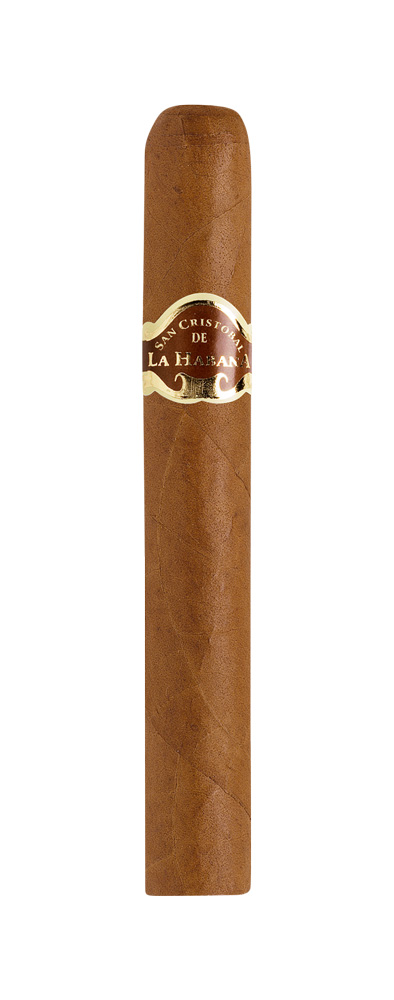
A box of cigars from the brand San Cristóbal de la Habana: the format La Fuerza, named after the Castillo de la Real Fuerza, a fortress in Havana.
What are San Cristóbal de la Habana cigars?
San Cristóbal de la Habana cigars are a Habanos brand that was officially introduced on November 20, 1999. The brand itself has a relatively short history.
It was created at the threshold of the next century and points to the past: its name recalls the long history of Cuba and, above all, the history of the city of Havana.
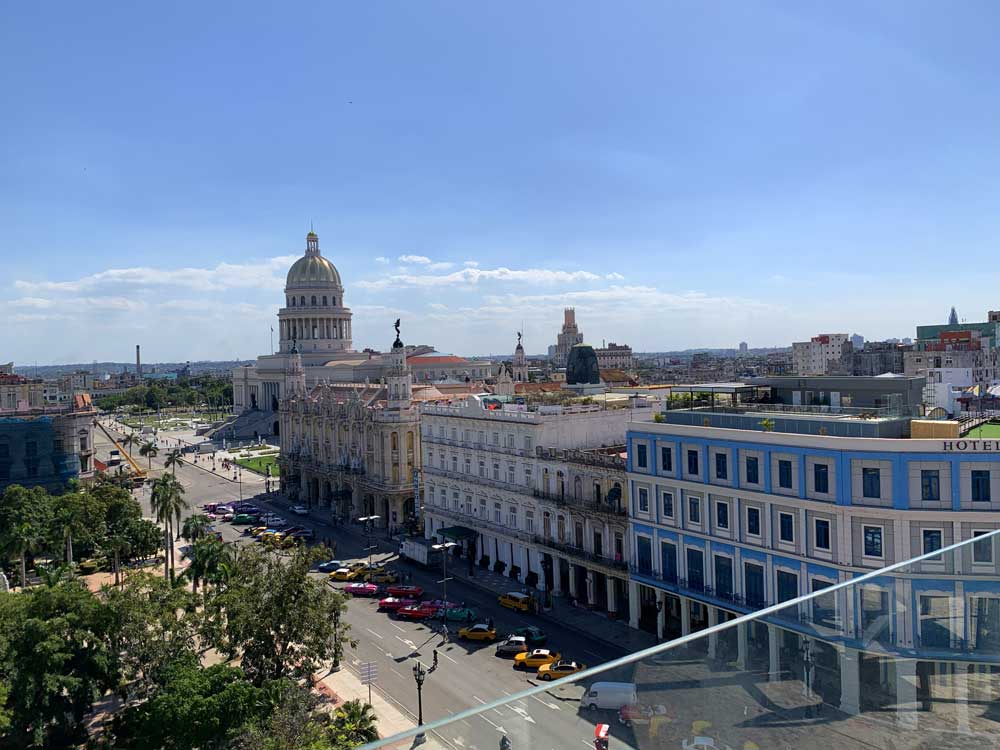
The city of Havana, which was previously a wealthy trading city, was subjected to constant attacks by pirates and robbers.
Why are San Cristóbal de la Habana cigars special?
A special feature of the brand is its naming and its unique format concept.
Classification within the context of the Habanos world
Within the world of Habanos, San Cristóbal de la Habana is closely linked to the city of Havana. All the brand’s formats bear the names of prominent fortresses that once protected the city when Havana was the center of the Spanish Empire in Latin America, and of the city’s most famous streets.

The famous Paseo del Prado in Havana, the grand avenue at the end of which the Capitol is located, is the name for the cigar called Prado from the San Cristóbal de la Habana brand.
Quick facts about the brand San Cristóbal de la Habana at a glance
Introduction: November 20, 1999
occasionThe introduction took place on the threshold of the new millennium in honor of the history of the city of Havana.
NameSan Cristóbal de la Habana was the original name of the city of Havana.
SpecialityTwo new formats, Paco and Gorditos, were created specifically for the brand.
ConceptThe cigars bear the names of notable fortifications and defensive structures, as well as of the city's streets.
Product rangeCurrently 3 formats, some special editions for La Casa del Habano, some Edición Regionales
ProductionLa Corona Factory: La Fabrica de Tabacos Miguel Fernández Roig
What already existed in the past
Even before the revolution, there was a brand with the same name. However, the cigars of that time had nothing to do with the current brand San Cristóbal de la Habana.
Completely new formats only for this brand
Two formats were specially developed for the brand: Paco and Gorditos.
Paco has a ring gauge of 49 and a length of 184 millimeters. The format was specially created for the San Cristóbal de la Habana cigars.
The Gorditos has a ring diameter of 50 and a length of 141 millimeters. This format had not existed until then either.
The naming – a direct reference to the city
The brand name dates back to Havana’s original name: Villa de San Cristóbal de la Habana. That was the name when it was founded in 1519. San Cristóbal – in English, Saint Christopher – is in honor of Christopher Columbus. La Habana comes from an Indian term for Space back.
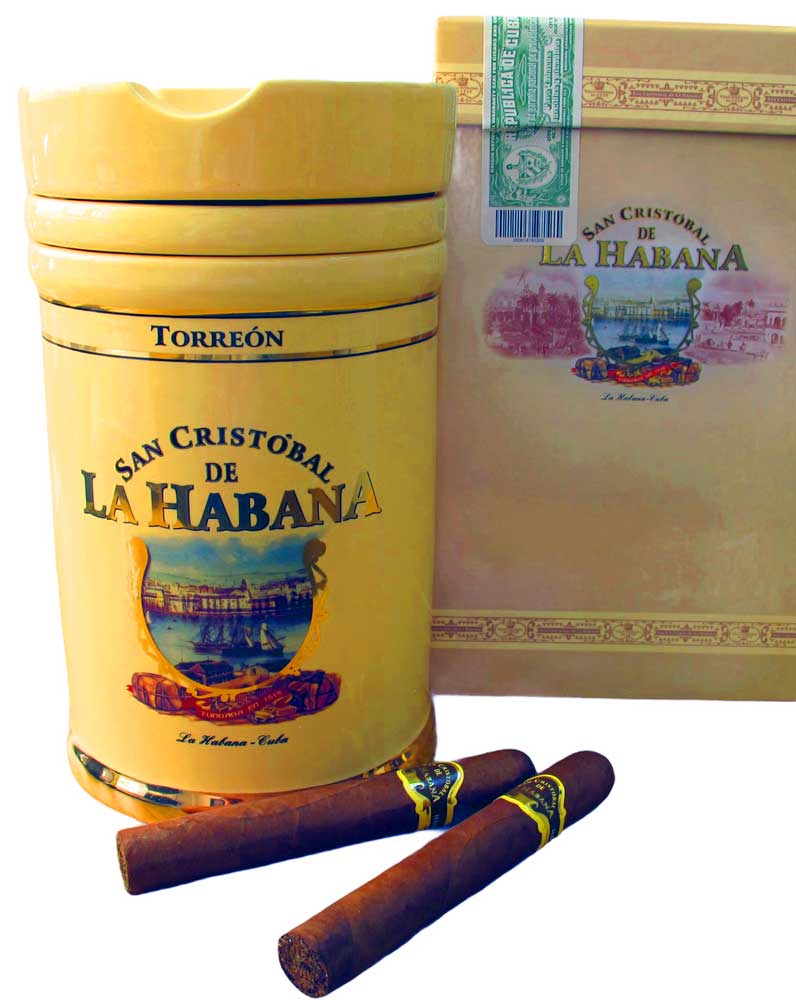
The San Cristóbal de la Habana Torreón, a cigar that was launched in 2012 in a ceramic jar.
All the names for the San Cristóbal de la Habana cigars have a direct and unambiguous connection to the city of Havana.
The four original shapes of the San Cristóbal de la Habana cigars are called El Morro, La Fuerza, La Punta and El Príncipe. These are the names of the city’s most prominent fortifications and defensive structures. The El Morro shape was part of the range from 1999 to 2013. The other three shapes are still available today.
In addition to fortresses, street names such as Mercaderes, Oficios, Prado, O´Reilly and Muralla were also used as designations. The term Torreón, the term for a fortified watchtower, is also in use.
A box of cigars from the brand San Cristóbal de la Habana: the format La Fuerza, named after the „Castillo de la Real Fuerza“, a fortress in Havana.
The fortress structures – The pride of the Habaneses
The city of Havana, as a wealthy and prosperous commercial city, was repeatedly attacked by both the sea and the interior of the country as a coveted target for looting.
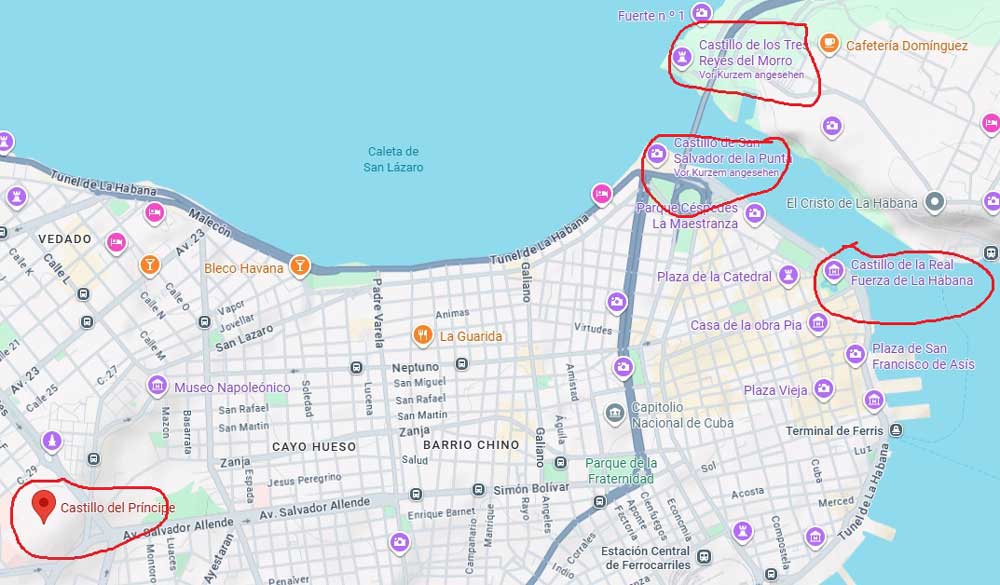
The Castillos El Morro and La Punta (on the left and right of the harbor entrance) and La Fuerza (on the right side of the relatively long entrance, directly next to the Plaza de Armas) were there to protect the city towards the sea. The Castillo del Príncipe was built on the defensive side towards the land.
El Morro is the short form of the „Castillo de los Tres Reyes del Morro“. It is located on the left side of the harbor entrance of Havana. It was built between 1589 and about 1630.
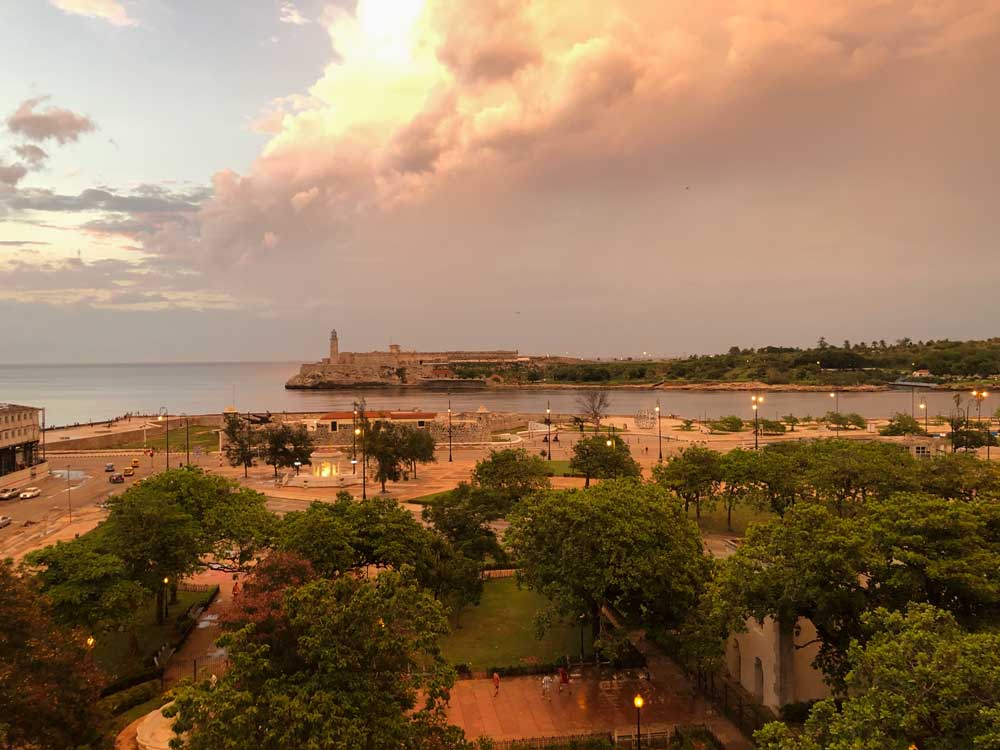
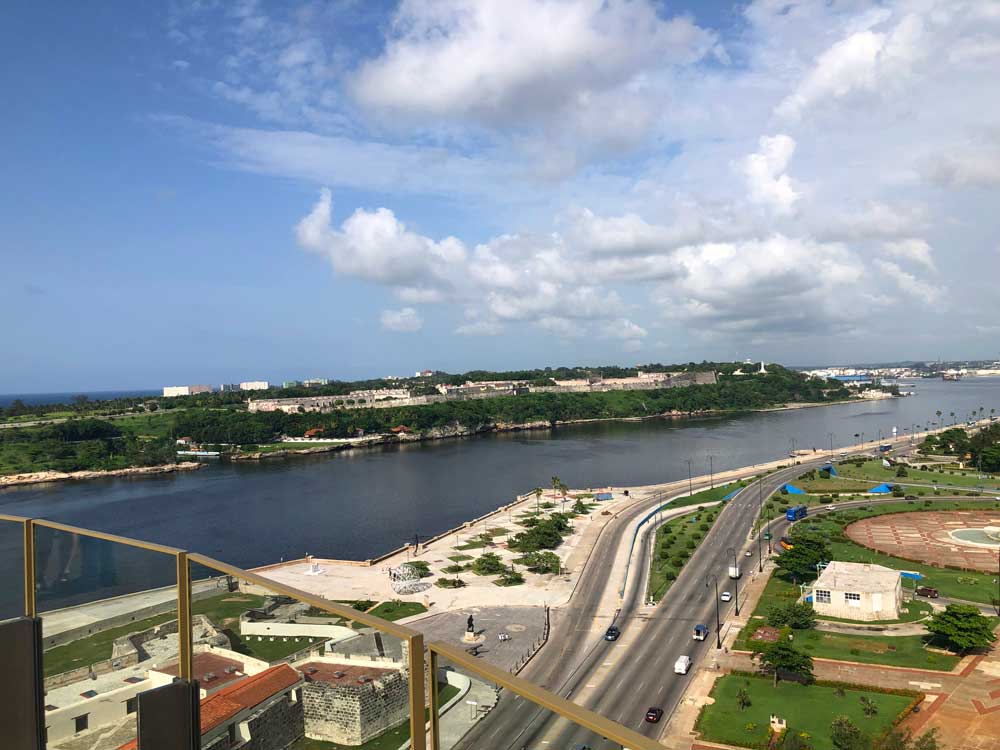
The entrance to the harbor of Havana: In the background the „Castillo de los Tres Reyes del Morro“ (with the famous watchtower), in the foreground the „Castillo San Salvador de la Punta“, two fortifications after which two cigars of the brand San Cristóbal de la Habana were named.
The „Castillo San Salvador de la Punta“ is located directly opposite the „Castillo de los Tres Reyes de Morro“ and at the beginning of the Malecón. From there, you can see the Castillo El Morro very well.
The „Castillo de la Real Fuerza“, the fortress of the Royal Army, is near the Plaza de Armas. The entrance to the harbor of Havana’s natural harbor is relatively long. The „Castillo de la Real Fuerza“ is located on the right side in the center of the entrance.
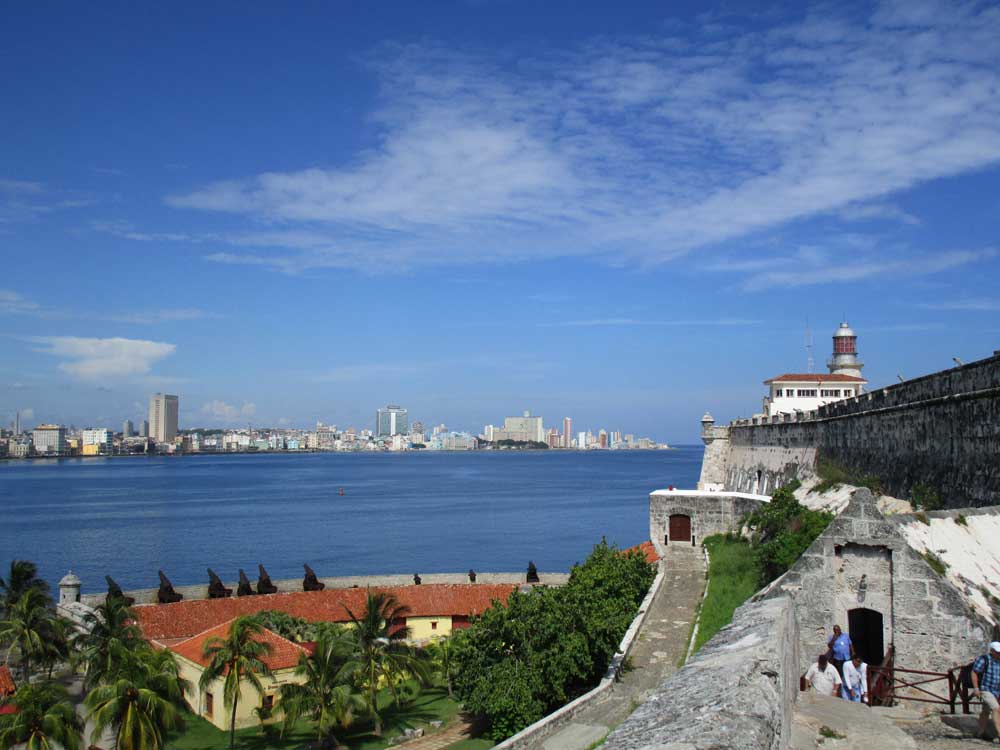
View from the „Castillo de los Tres Reyes del Morro“ of the city of Havana, built at the entrance to the harbor to protect the city from pirates.
The „Castillo del Príncipe“ is located in the present-day district of Vedado on the Loma de Aróstegui (Loma = hill). From there, the city was supposed to be protected from the landward side. Construction began in 1767, and it was completed in 1779. At that time, Havana’s area was still very small (about 7 square kilometers; today, Havana is over 700 square kilometers). The Castillo was located on the outskirts of the city; today, it is in the middle of it.
Production of San Cristóbal de la Habana cigars
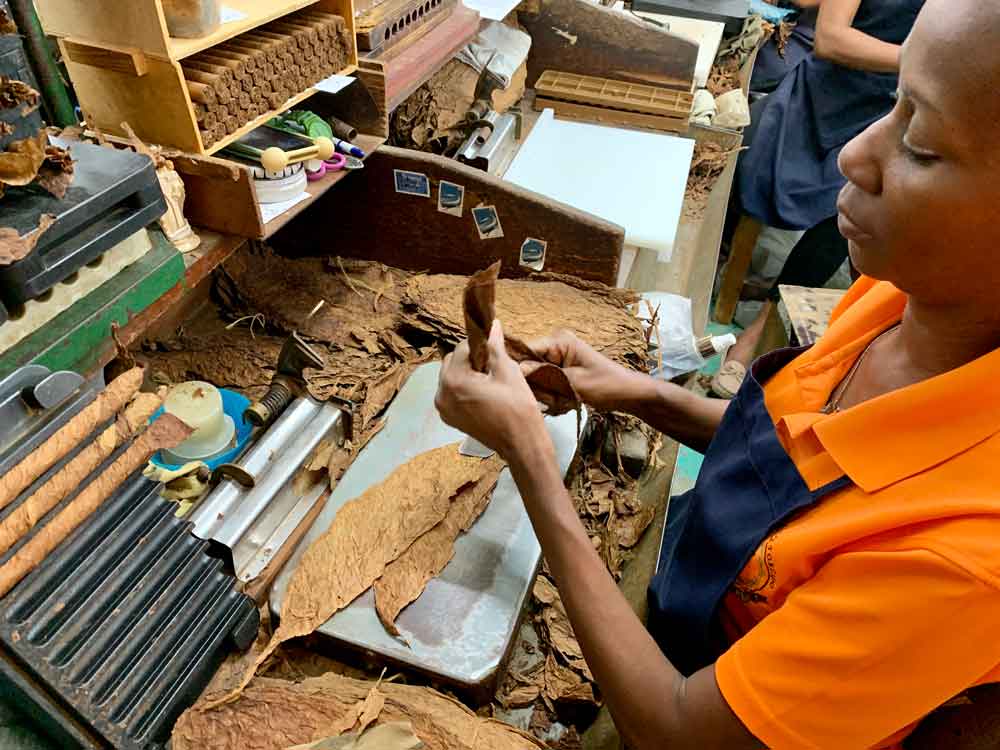
The cigars are still manufactured at the famous La Corona tobacco factory. The full name of the factory is „La Fabrica de Tabacos Miguel Fernández Roig“. This is the largest factory in Havana and now one of the most famous habanero factories.
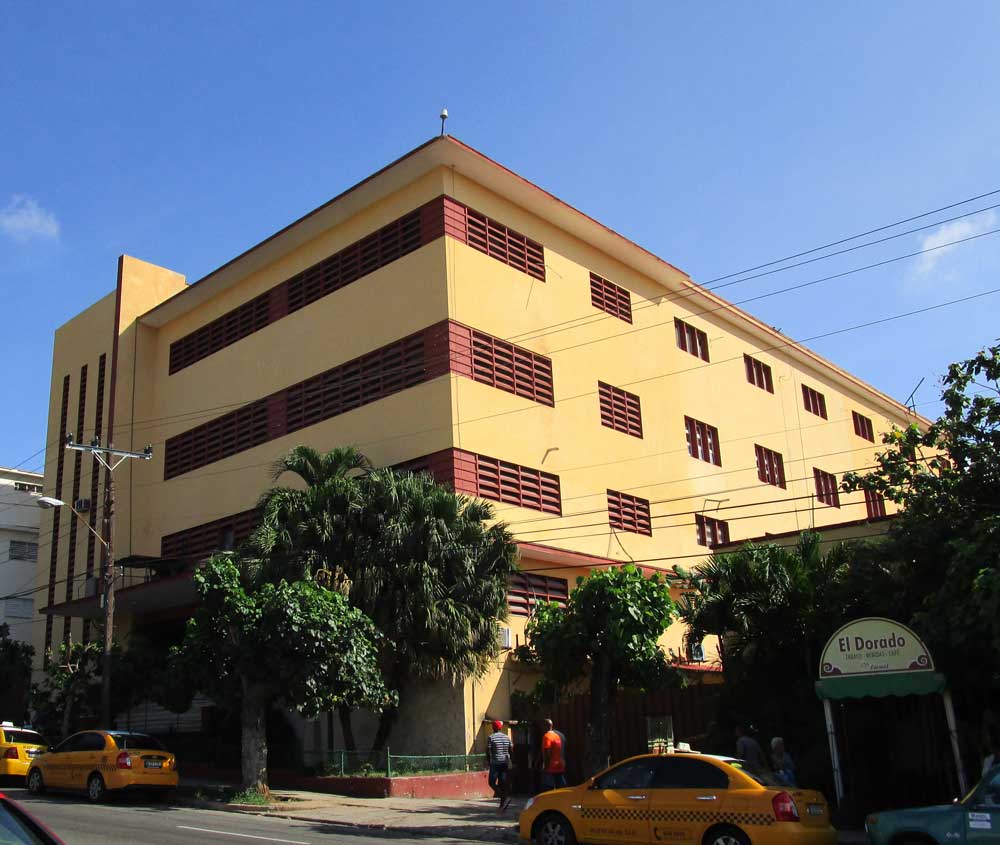
The cigars of the San Cristóbal de la Habana brand have always been manufactured in the La Corona factory.
Current range
Originally, there were four formats, named after the fortresses. Three of them are still part of the range today.
There are two formats exclusively available at Habanos Specialist stores and in La Casas del Habano.
Some other formats were introduced, but soon also discontinued.
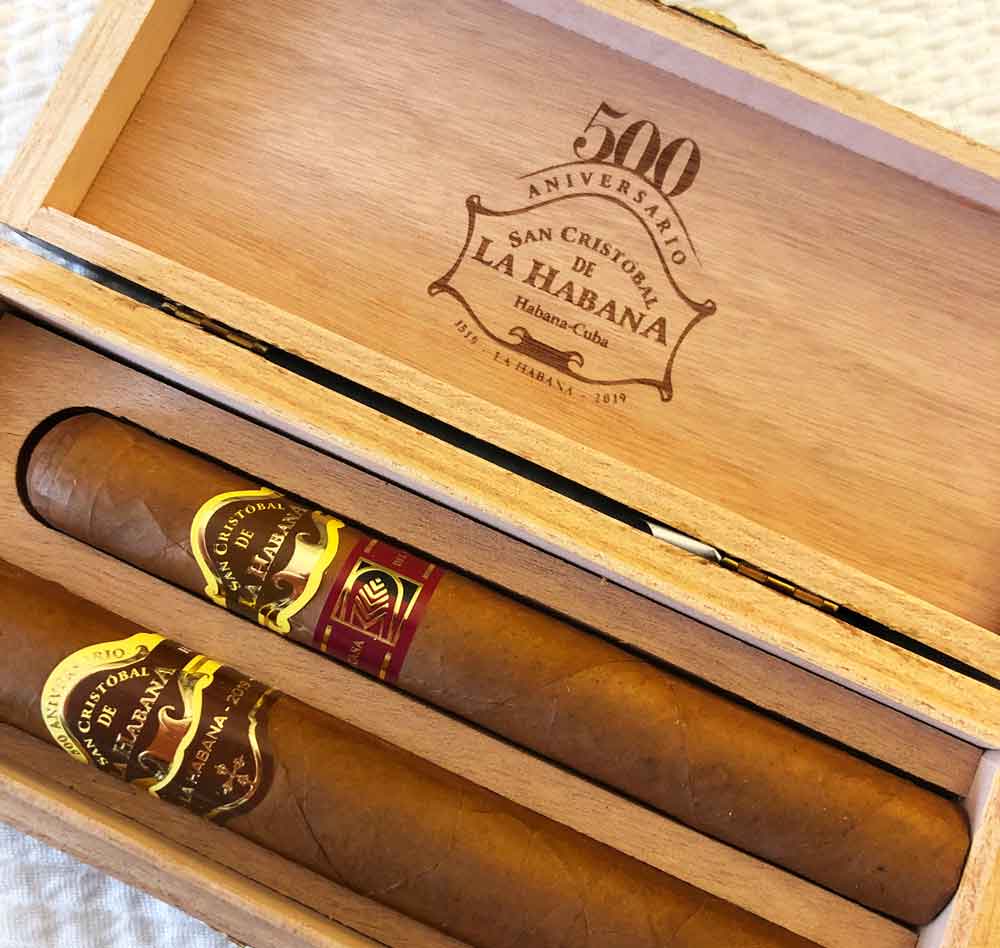
Spectacular was the humidor, which was offered in a limited edition of 500 pieces for the 500th anniversary of the city in 2019, each containing 100 cigars.
The brand San Cristóbal de la Habana is also often chosen for Edición Regionales today.
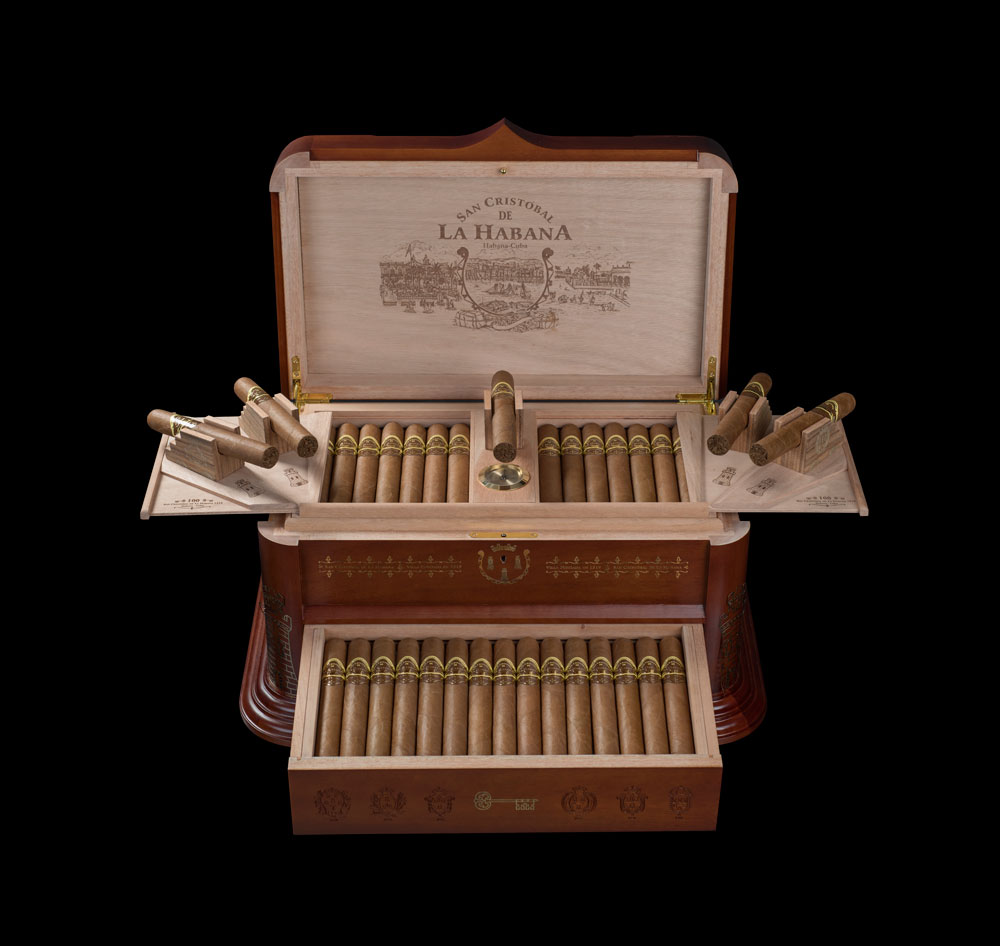
To mark the 500th anniversary of the city of Havana in 2019, this humidor was produced with 100 cigars from the San Cristóbal de la Habana brand in a limited edition of 500 pieces.
Here you will find the San Cristóbal de la Habana factory
If the live folder does not work, Please click here for the San Cristóbal de la Habana factory.
Picture credits
- Claudia Puszkar
- Habanos S.A.
Curated for you
External website: Experience the Habanos Club in Germany
At Origin Of Cigar: THE PLEASURE LETTER by Origin Of Cigar: A curated email celebrating the fine pleasures of Cuban cigar culture.
Historical Habanos manufactories documentary film
In this film, their stories - and their true faces - are uncompromisingly revealed. This is far more than just a documentary film - it is a journey into the soul of Cuba.

What is in your drawers?
Some chapters in the history of cigars still lie in hidden in drawers, archives or private collections. Do you own Records, documents or references to Cuban cigar brands? Or do you know Sources, that could help with historical research? Then please send us an e-mail. Claudia Puszkar will contact you personally and discuss everything else with you. Together we can Bringing buried stories back to light. 👉 admin@origin-of-cigar.com
New to Cuban cigars? Or deep into it?
FAQ - Read the frequently asked questions
Open the glossary of Cuban cigars
Who is behind Origin Of Cigar?
Who we are and how you can reach us → Please click here
San Cristóbal de la Habana Photo Gallery
If you do not see the photo gallery, Click here for the San Cristóbal de la Habana photo gallery
References
- Min Ron Nee:
- “AN ILLUSTRATED ENCYCLOPAEDIA OF POST-REVOLUTION HAVANA CIGARS” / Hong Kong 2003, ISBN: 978-3980930826
- Instituto de Investigaciones del Tabaco Cuba:
- „The world of Habanos“ / Havana 2013, ISBN: 978-959-7212-08-9
- Adriano Martínez Rius:
- “Habano the King” / Barcelona 1998, ISBN: 84-930387-1-7
- Adriano Martinez Rius:
- “The Great Habano Factories” / Barcelona 2005, ISBN: 84-609-4024-1
- Orlando Quiroga:
- “El Habano al rojo vivo” / Havana 2002
- Enzo A. Infante:
- “Havana Cigars 1817-1960” / Neptune City 1997
- Eumelio Espino:
- “El Habano - De la semilla al puro en 539 pasos” / Madrid 2019, ISBN: 978-84-09-07091-6
- Alexander Groom:
- “El Habano Moderno” / Helios House Press 2022, ISBN: 978-911683-05-6
You are here:
 Deutsch
  Español
  English (UK)
  Français