The Romeo y Julieta photos show long-gone and partially demolished manufactories that few have ever seen.
History
The gallery of Romeo y Julieta takes the viewer into a world in which passion, romance and craftsmanship merge into an unmistakable expression. It shows the spirit of a brand that has stood for elegance and the finest balance since the 19th century.
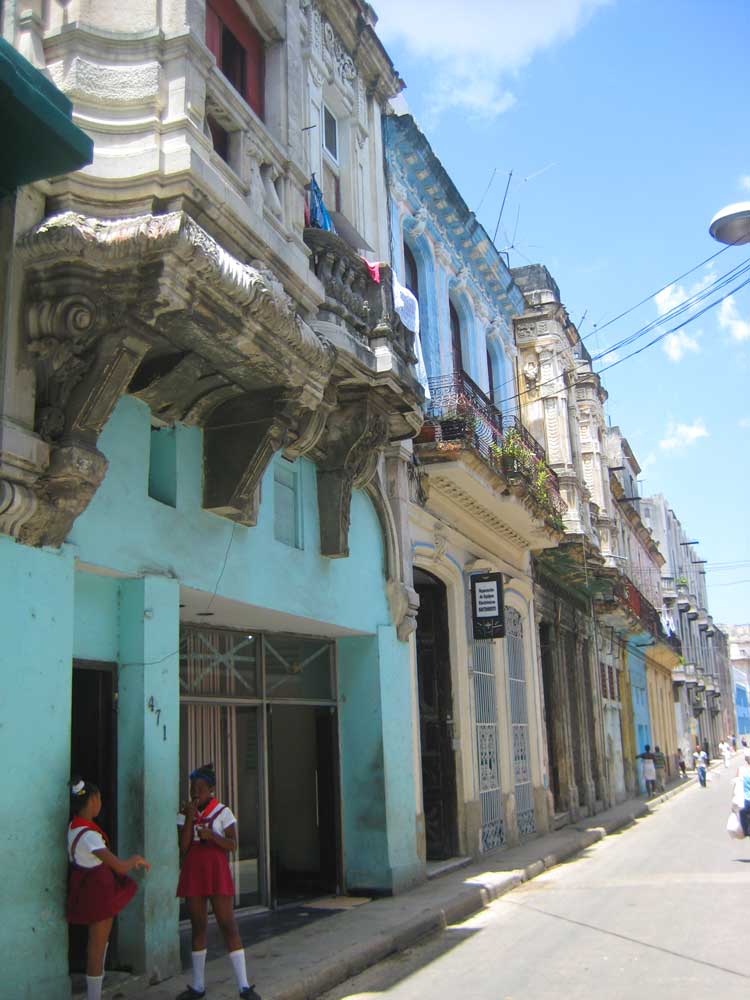
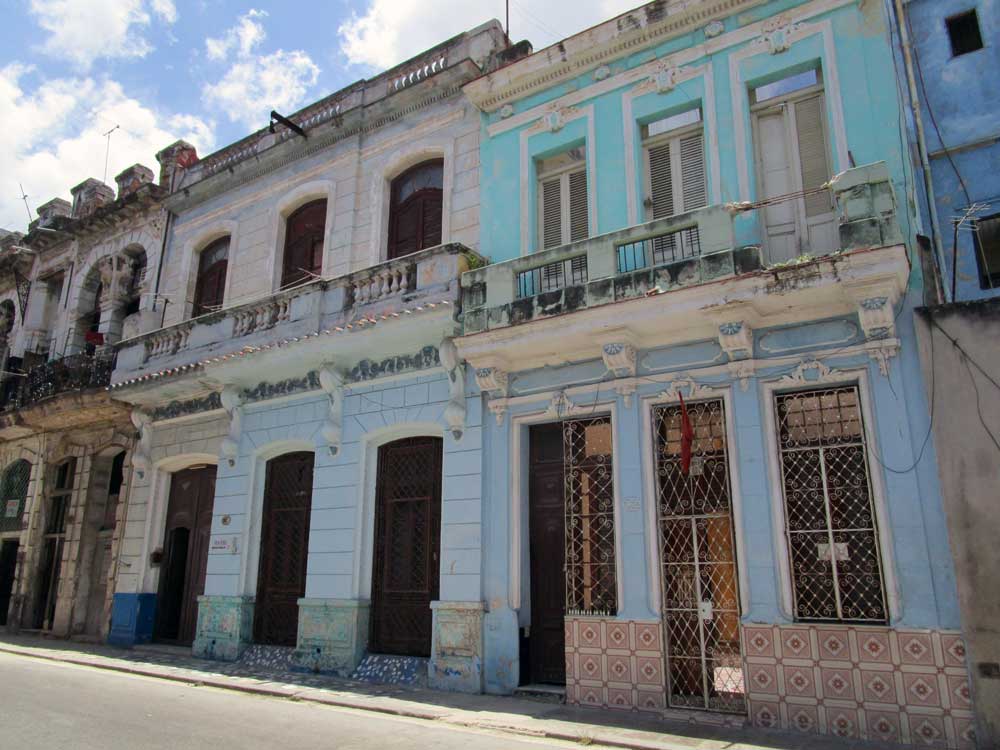
Between colonial façades, old torcedora tables and historic box labels, you can sense the flavour of the era in which literati, aristocrats and connoisseurs discovered the brand's cigars as a symbol of the cultivated art of living.
For aficionados, this gallery is a silent walk through time and emotion - a visual homage to one of the most poetic brands in the Habanos world.
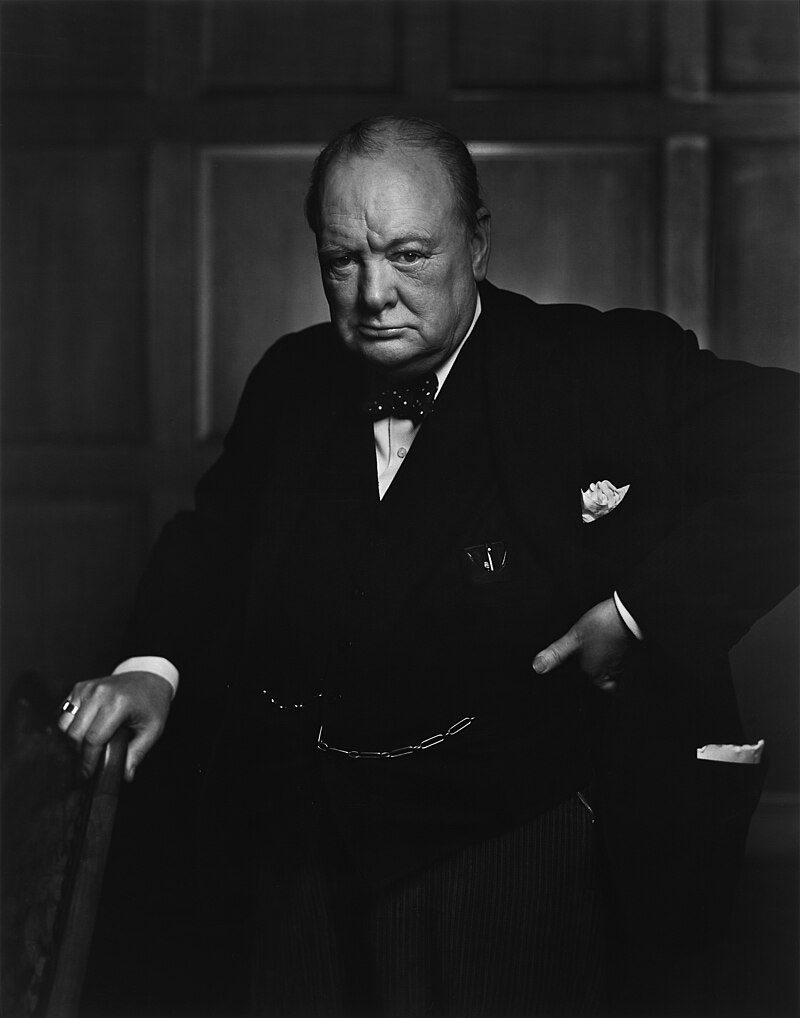
Winston Churchill, a true cigar lover, after whom a cigar or a format is rightly named.
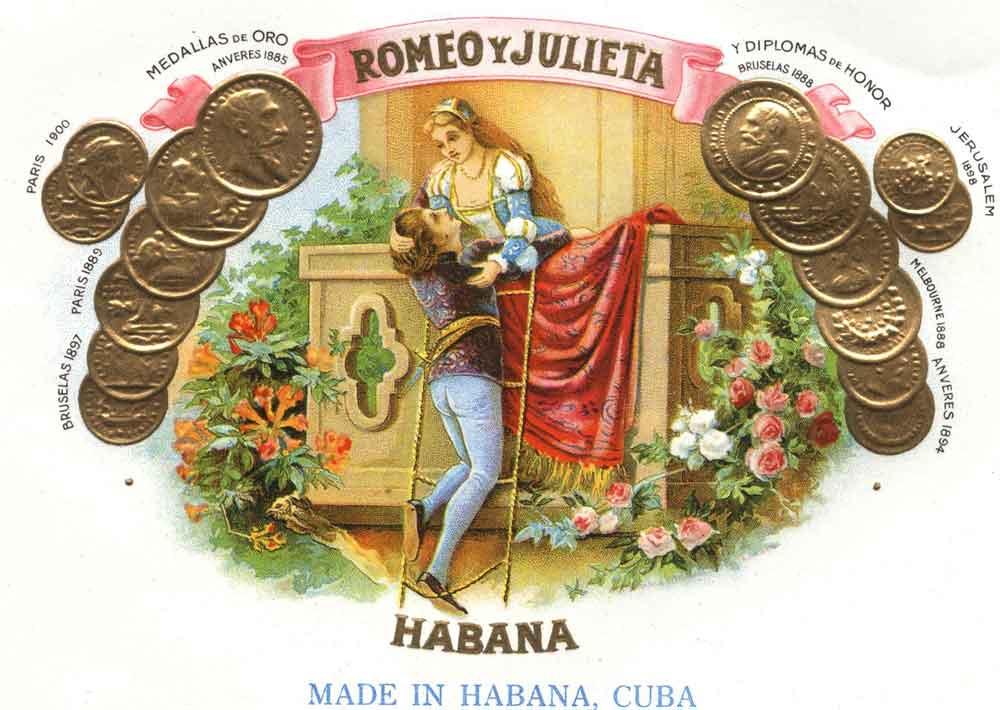
The historic logo of the Romeo y Julieta brand. The founder of the brand, Inocencio Alvarez, is said to have found the young man, or more precisely his backside, a little visually offensive.
William Shakespeare also influenced cigar history with his drama.
The first address of the Romeo y Julieta brand: the first cigars were made at Calle San Rafael No. 87, in a small house in the Centro Habana neighbourhood.
Soon there was no longer enough capacity. Another site was added at Calle Animas No. 129. However, not only Romeo y Julieta brand cigars were produced here, but also those of Ramon Allones.
From 1903, under the new owner Don Pepin, the company moved into a large factory. Address: Calle Belascoain No.2A. A large factory, well organised with several hundred torcedores.
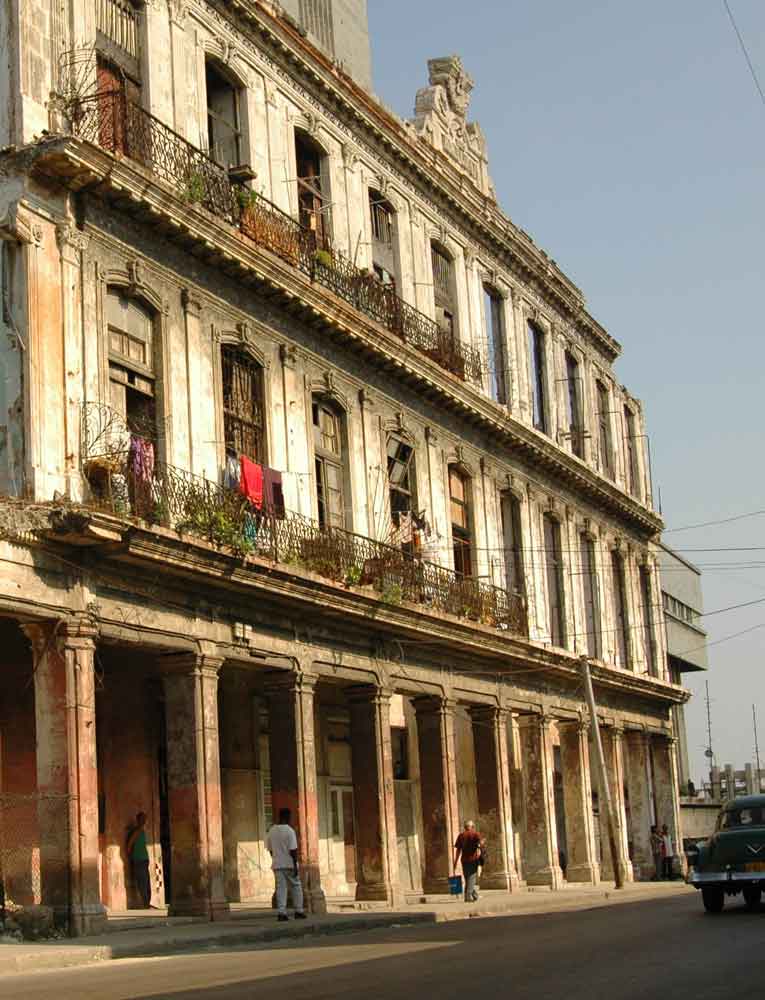
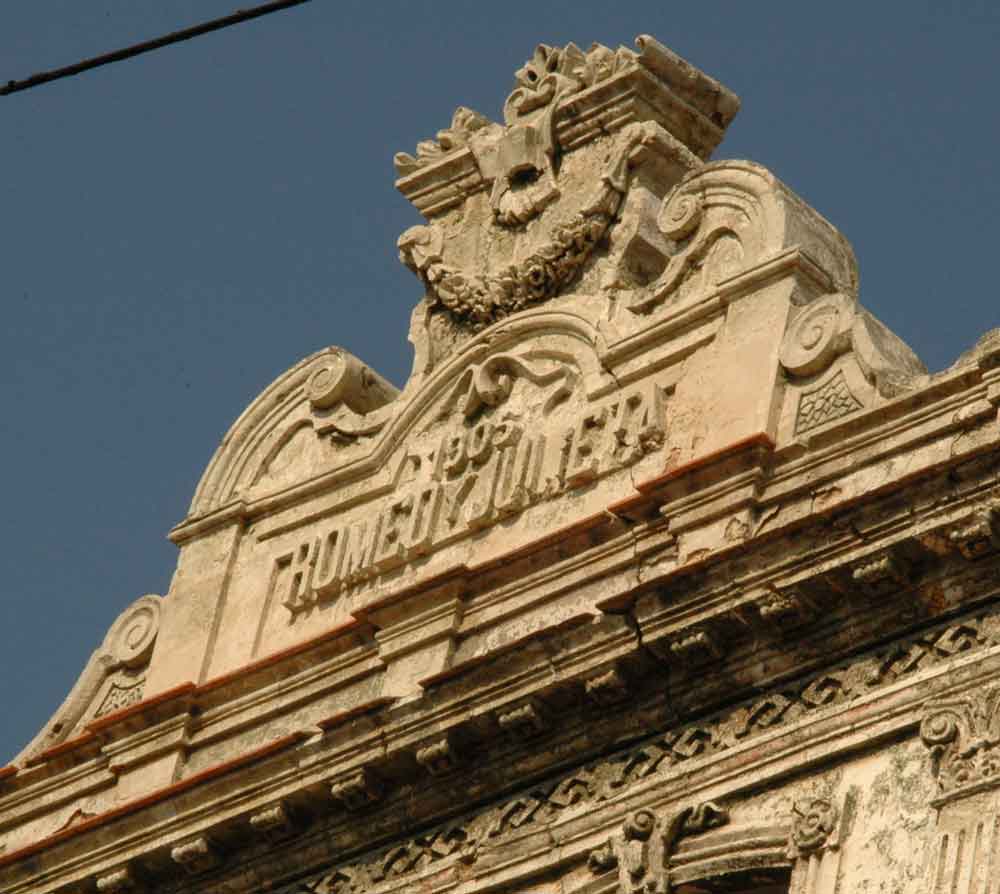
The number 1905 was clearly written on the gable of the house (unfortunately it no longer stands today). At that time, the Romeo y Julieta brand moved into this house. It is not known whether this is also the year the house was built.
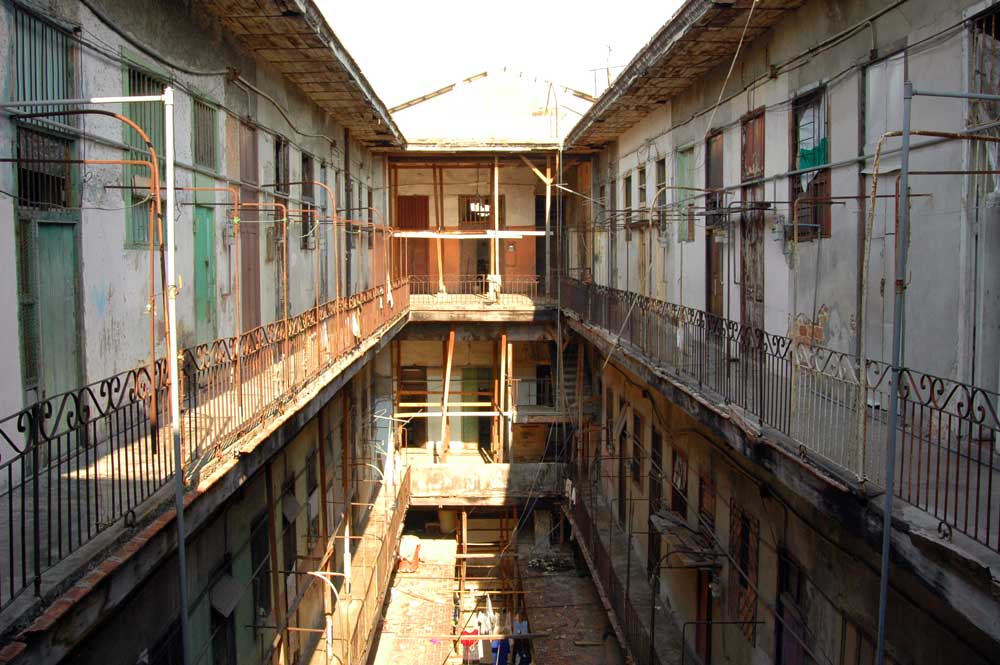
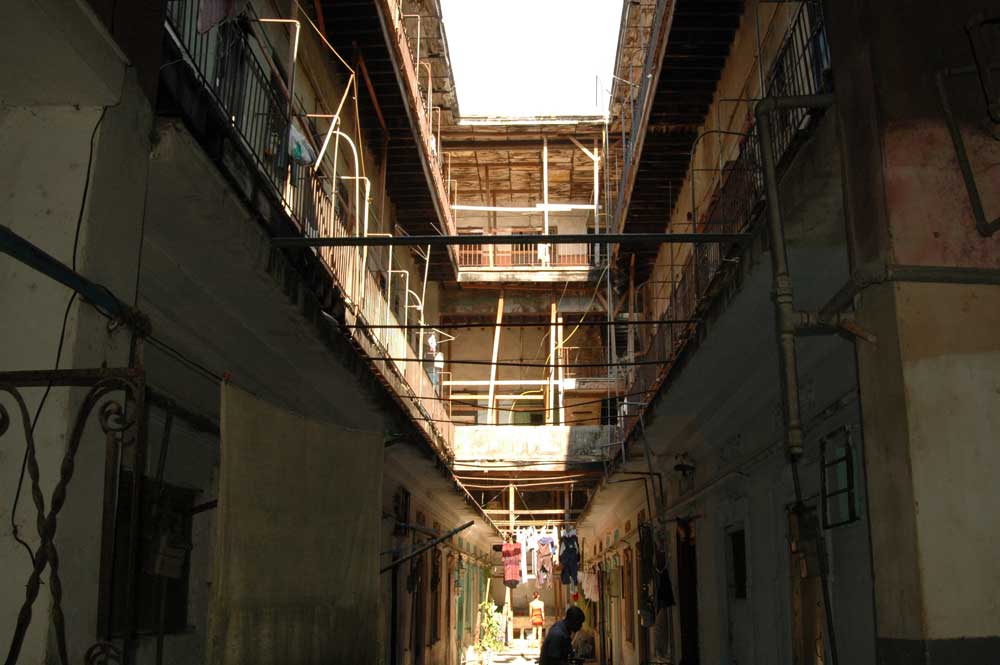
The patio of the house, unfortunately nothing reminded us of its use as a factory. Don Pepin's dogs, a male and a female, Romeo and Julieta, lived on the top floor.
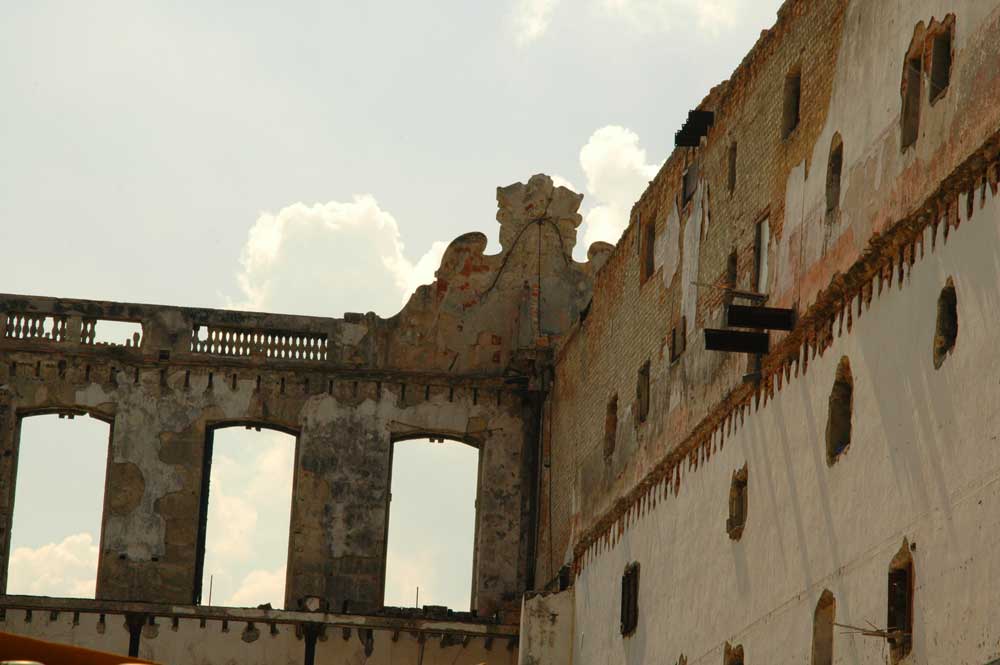
Only the foundation walls of the house next door were preserved. The Por Larranaga factory was located there until around 1920. It must have been splendid.
The house was used as a residence for many years, although it was already in a very poor condition. It was completely demolished in 2011.
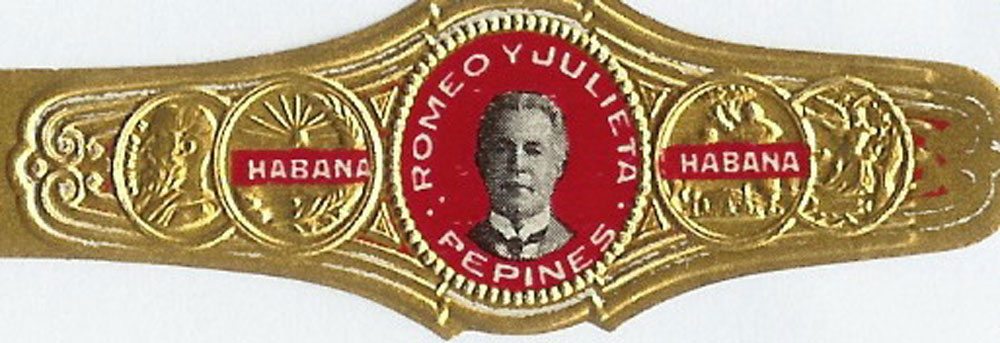
Don Pepin named a series of Romeo y Julieta cigars after himself: the Pepines.
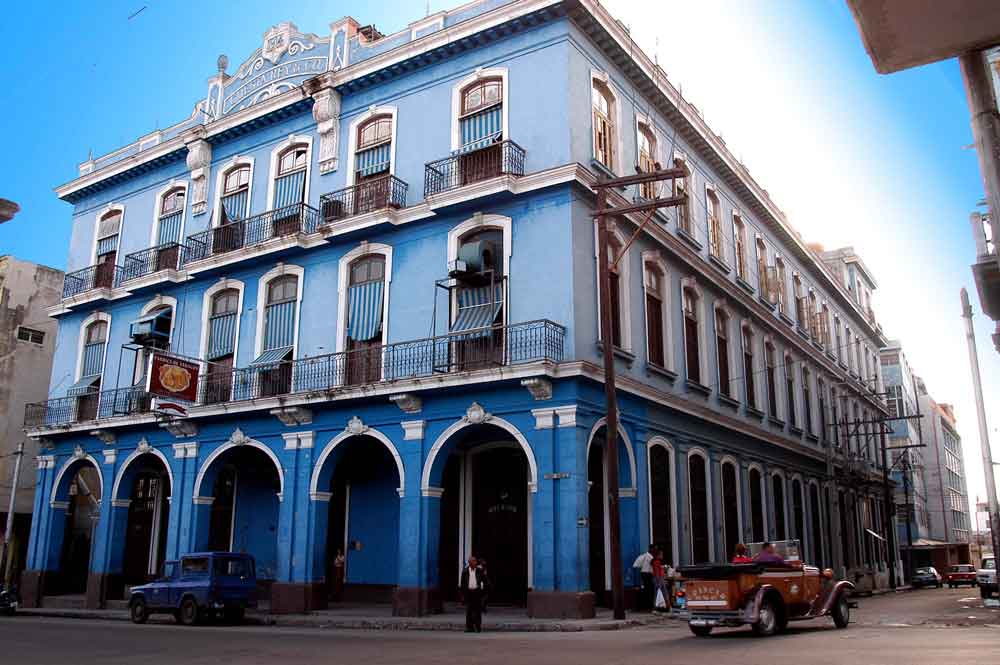
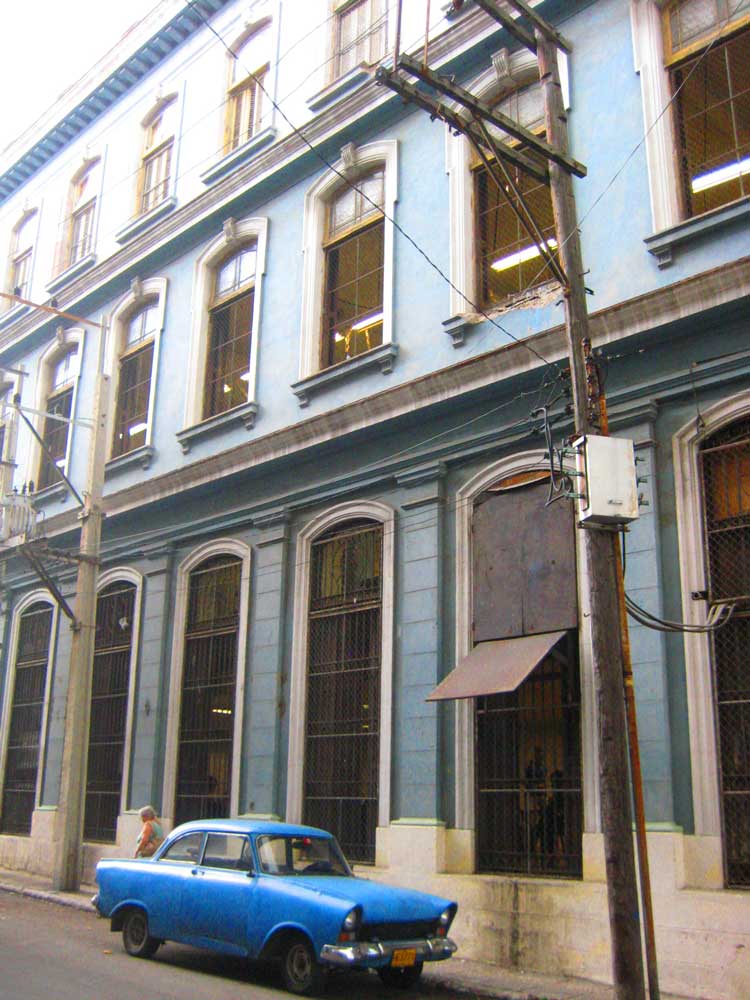
I like to call it the „Blue Factory“: the factory on Calle Belascoin No. 862, first El Rey del Mundo, then Romeo y Julieta, now the H.Upmann factory. One building, many owners, many brands.
The Romeo y Julieta factory was located in this building from around 1960-70 until around 2000. After that it was a school for torcedores.
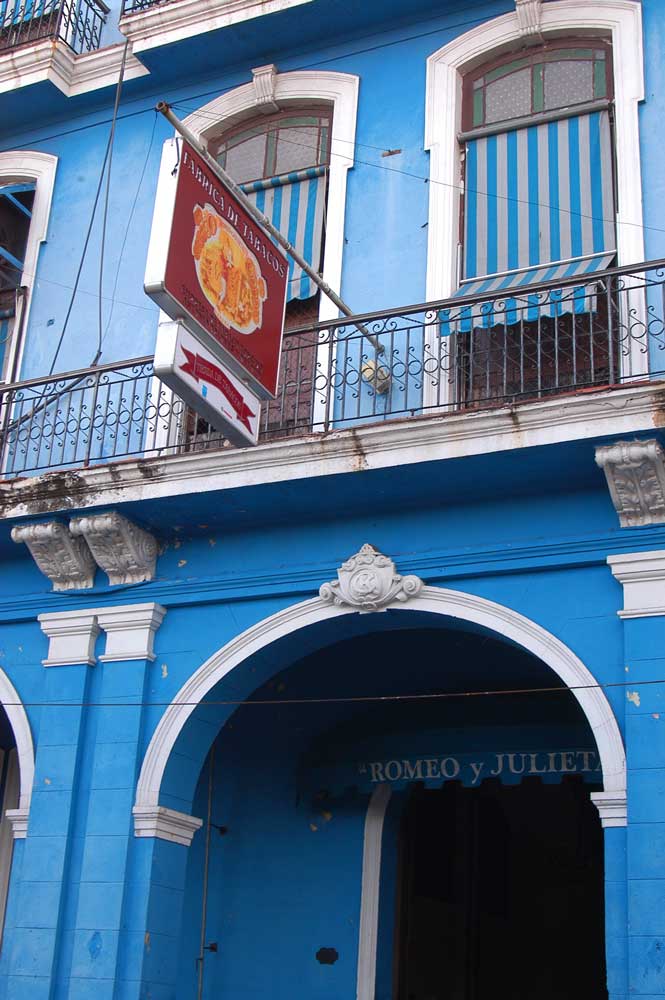
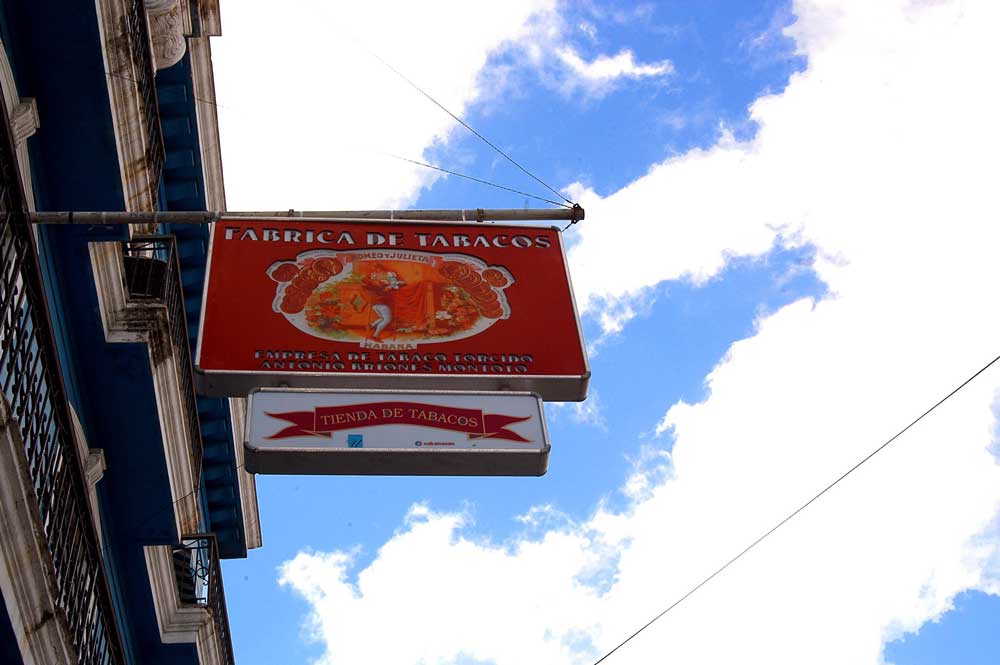
The famous Romeo y Julieta logo on the factory sign: Fabrica de Tabacos, with the official name „Antonio Briones Montoto“ (every factory in Cuba has an official name, which is not a brand name, but usually honours a brave fighter for freedom).
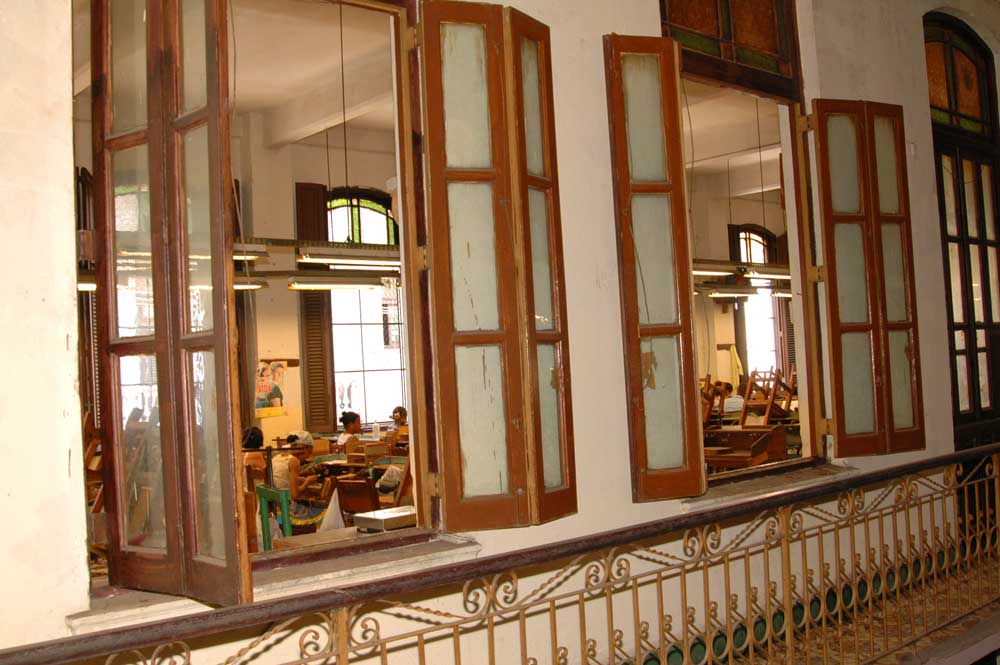
A view into the Galera of the Romeo y Julieta factory on the upper floor.
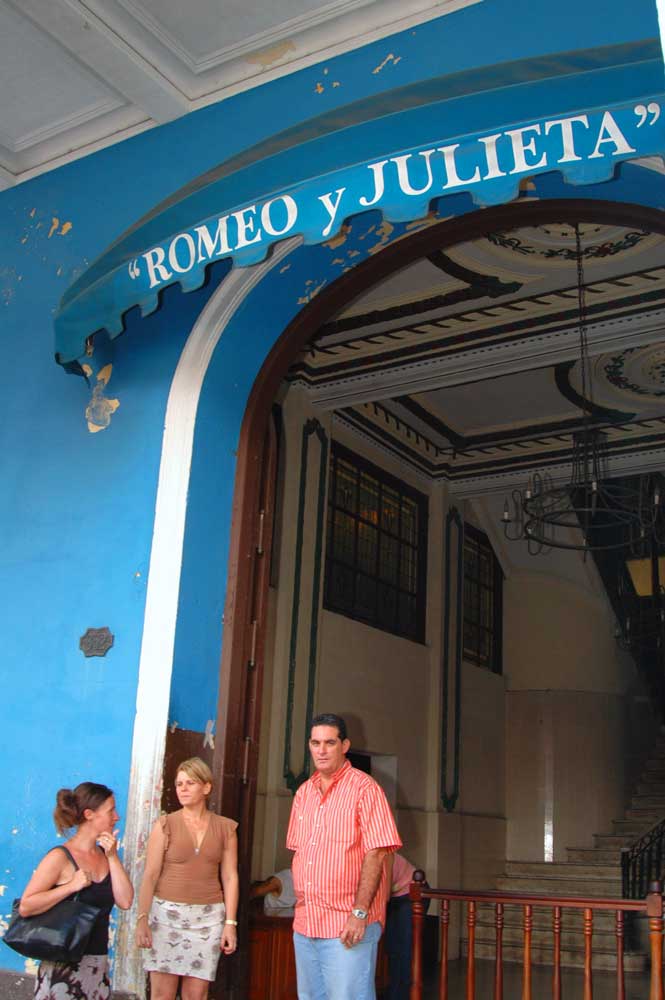
Here is the entrance to the factory, with the magnificent foyer behind it. Pictured here are the then director of the factory Carlos Lazaro Valdes Carballea (right) and a very well-known torcedora Miltania Pérez Borges (centre).
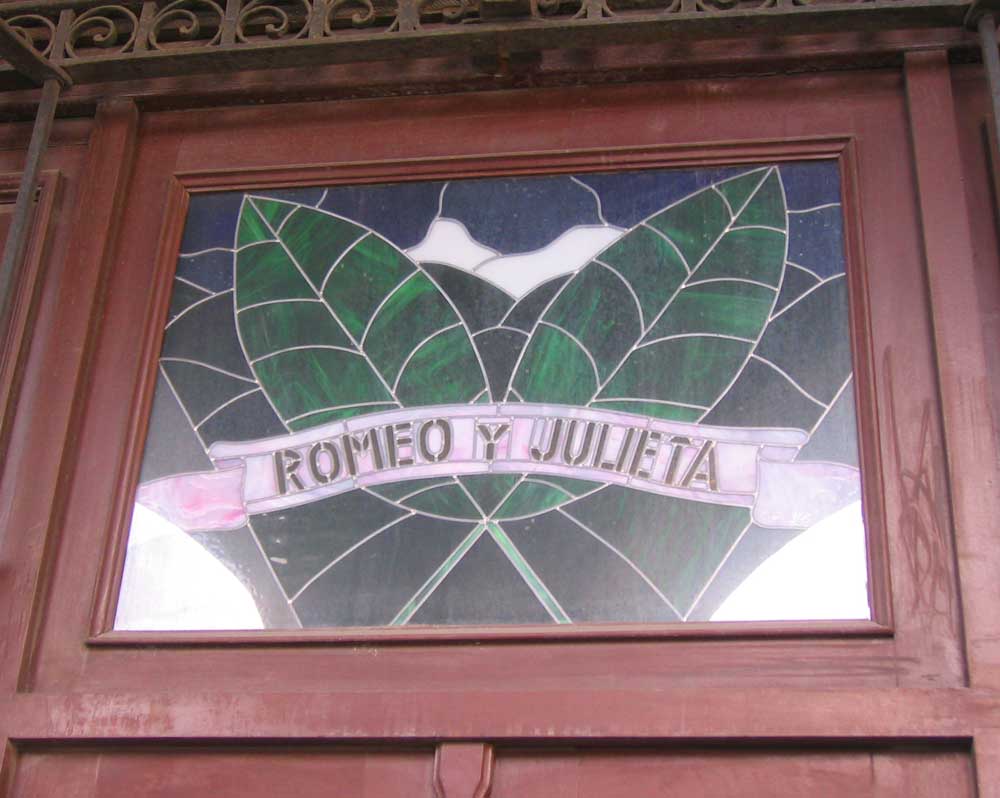
The glass window above the entrance to the shop. This Casa del Tabaco is located to the right of the factory entrance.
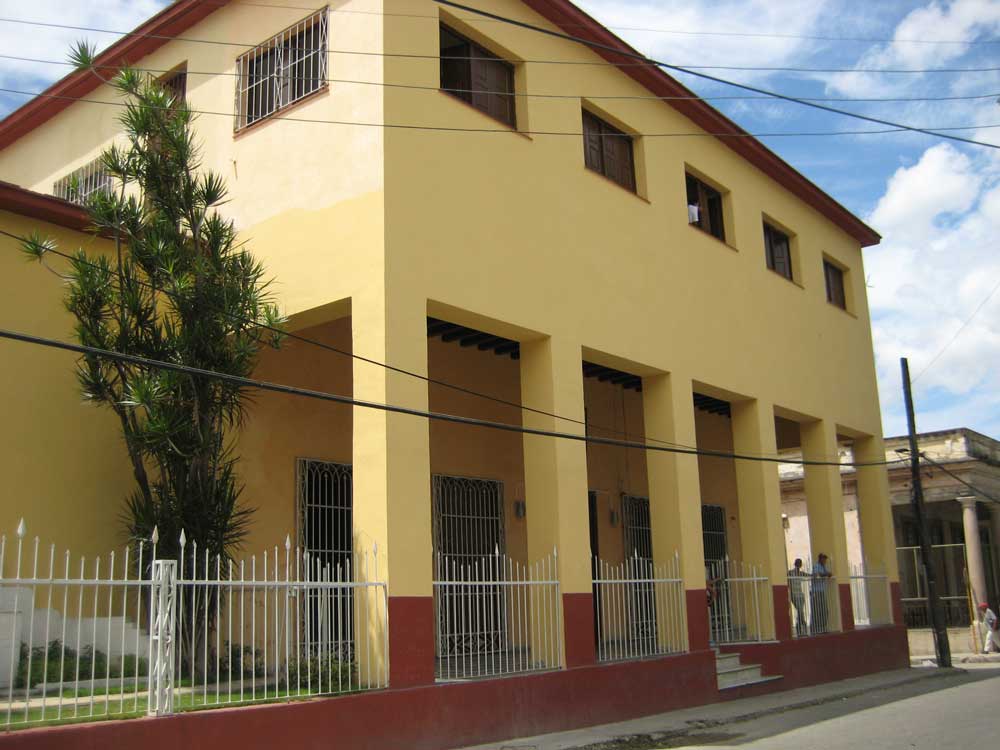
A typical building in Havana: tall, narrow windows on the ground floor, often with bars. Here is a side view of the factory.
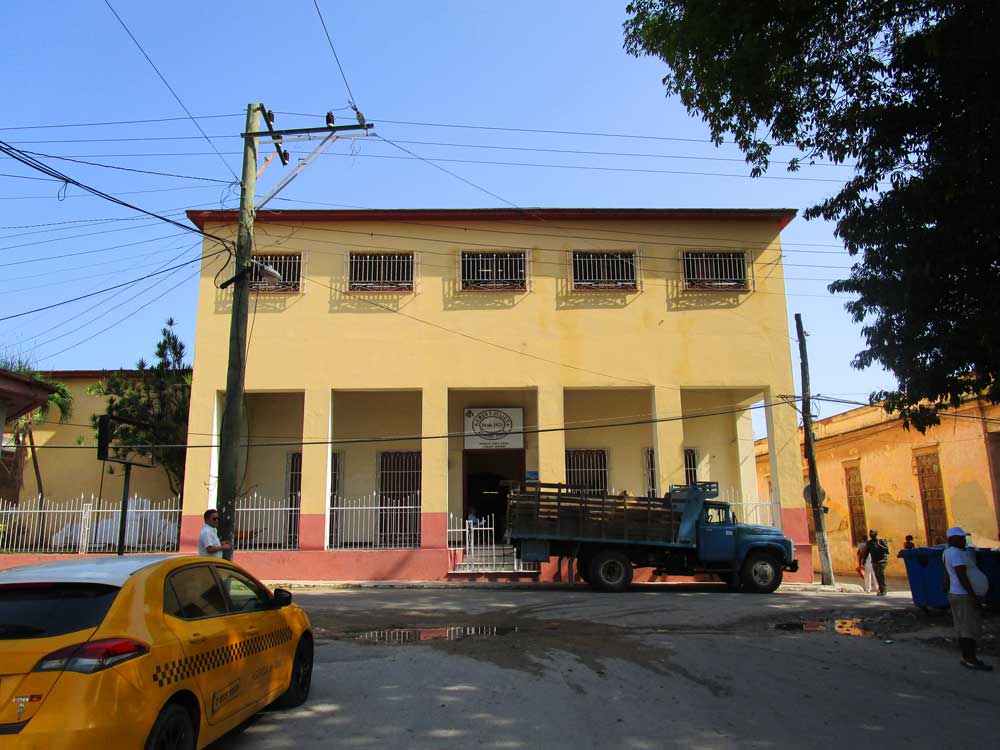
The current Romeo y Julieta factory is located in Havana's Marianao neighbourhood on Calle 57, No. 13402, with the world-famous „Tropicana“ nearby.
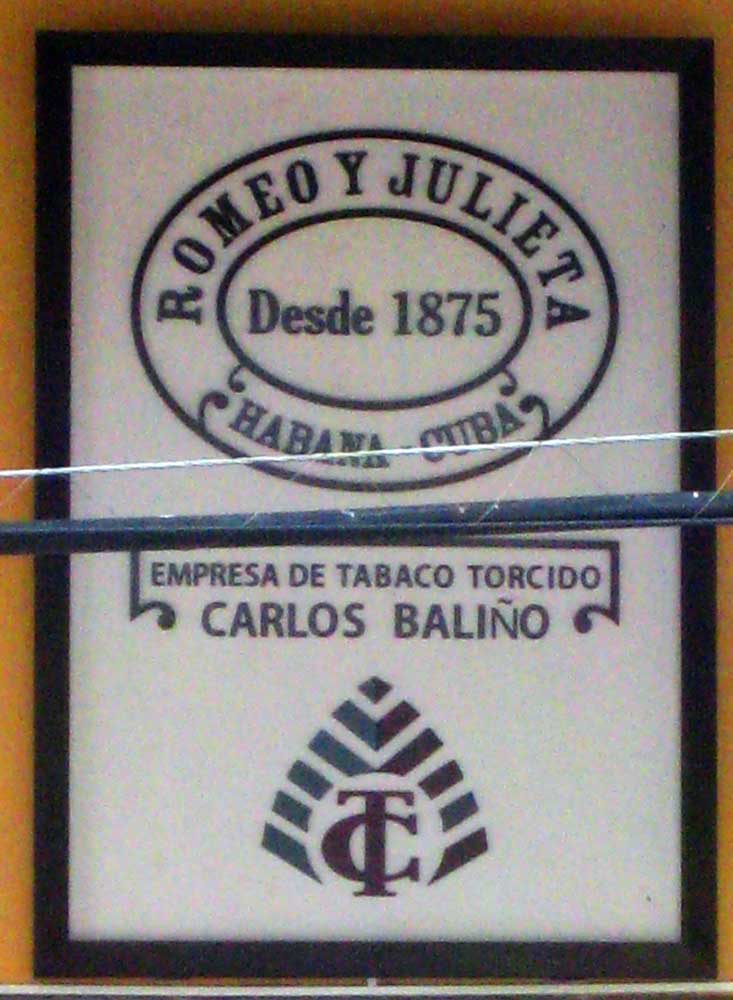
The official name of the Romeo y Julieta factory is: Empresa de Tabaco Torcido „Carlos Baliño“.
From around 1950 to 2013, this was the Jose L. Piedra factory. It had the official name „Heroes del Moncada“.
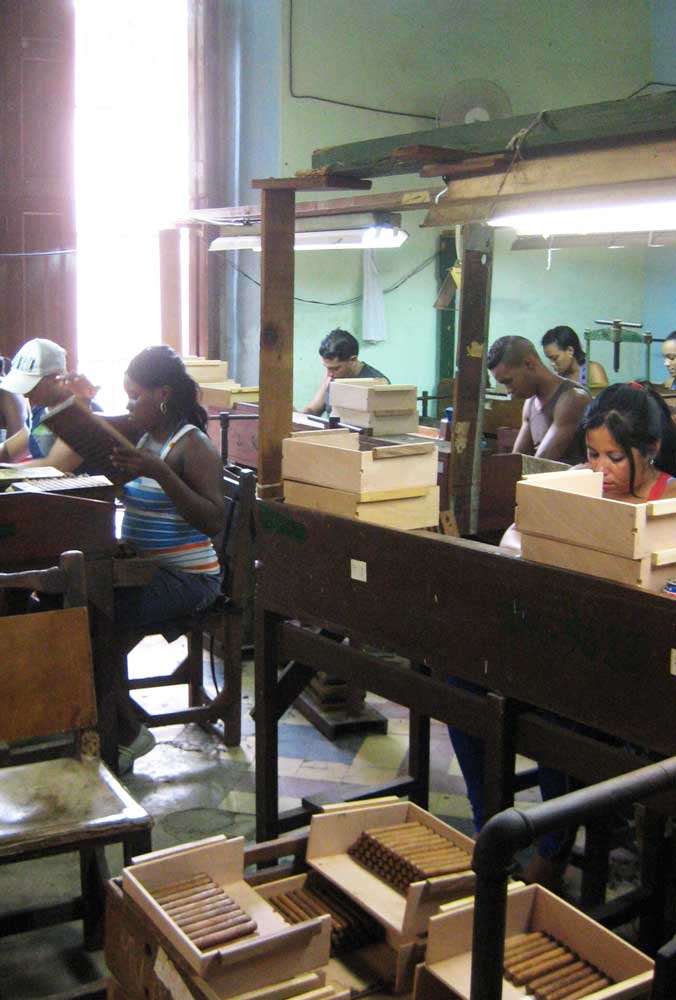
The Galera of the Romeo y Julieta factory is also hard at work.
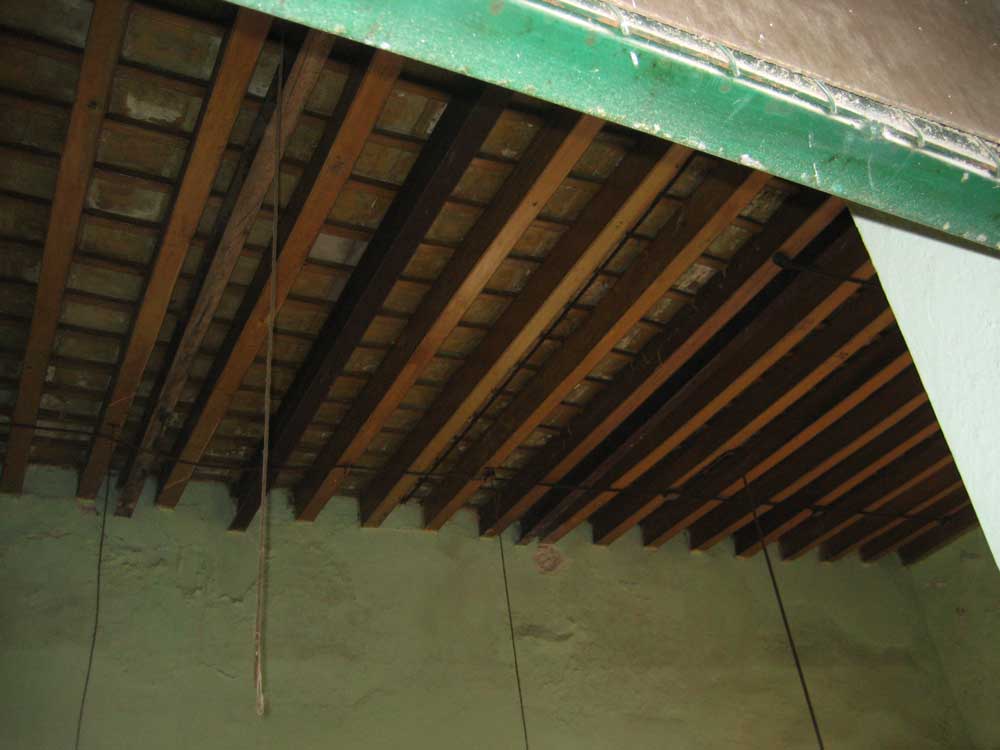
The Romeo y Julieta factory is a solidly built building, as you can easily see from the massive wooden ceilings. It is difficult to say exactly when it was built.


 Deutsch
  Español
  English (UK)
  Français