
Le Hoyo de Monterrey history - The origin decides


Le Hoyo de Monterrey historyThis brand has focussed on the origin of the tobacco from the very beginning. The name is not a fantasy, but refers to a tobacco plantation that still exists today on the fertile banks of a river near San Juan y Martínez in the Vuelta Abajo (Province Pinar del Río). The founder José Gener y Batet was one of the first - perhaps the only one - to use the Names of a plantation as Brand name used.
Where do cigars come from?

Table of contents
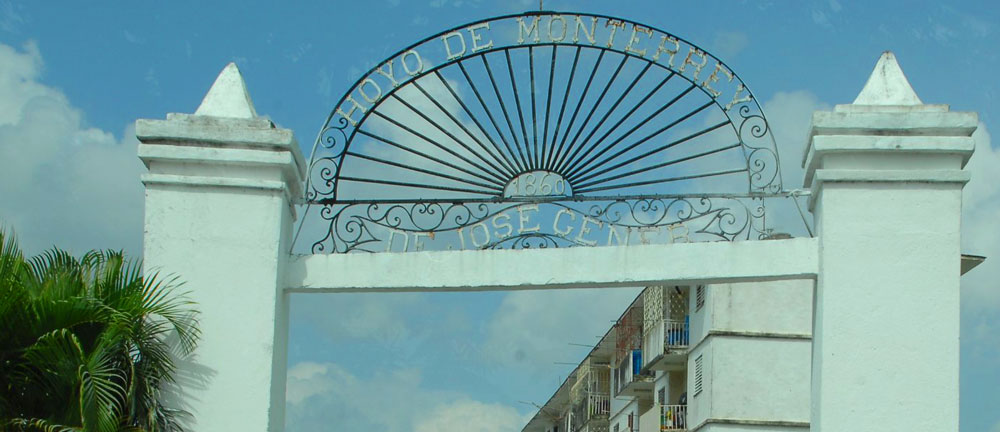
Hoyo de Monterrey is not just the name of a cigar brand, but originally and still today the name of a tobacco plantation in San Juan y Martinez in Pinar del Rio. José Gener bought this plantation and named his cigars after it.
The beginnings of the Le Hoyo de Monterrey story
The story of Le Hoyo de Monterrey begins with an immigrant from Catalonia: José Gener, born in 1818, arrived in Cuba with his family in 1831 at the age of 13. It is said that he could barely read or write at school and did not master this sufficiently later on. His uncle Miguel Jané was respected, and the family as a whole was considered hard-working and upright.
But there is a „black sheep“ in every family. Gener compensated for his lack of education with a lordly, sometimes frightening demeanour; he hardly showed any respect. He went his own way without consideration.
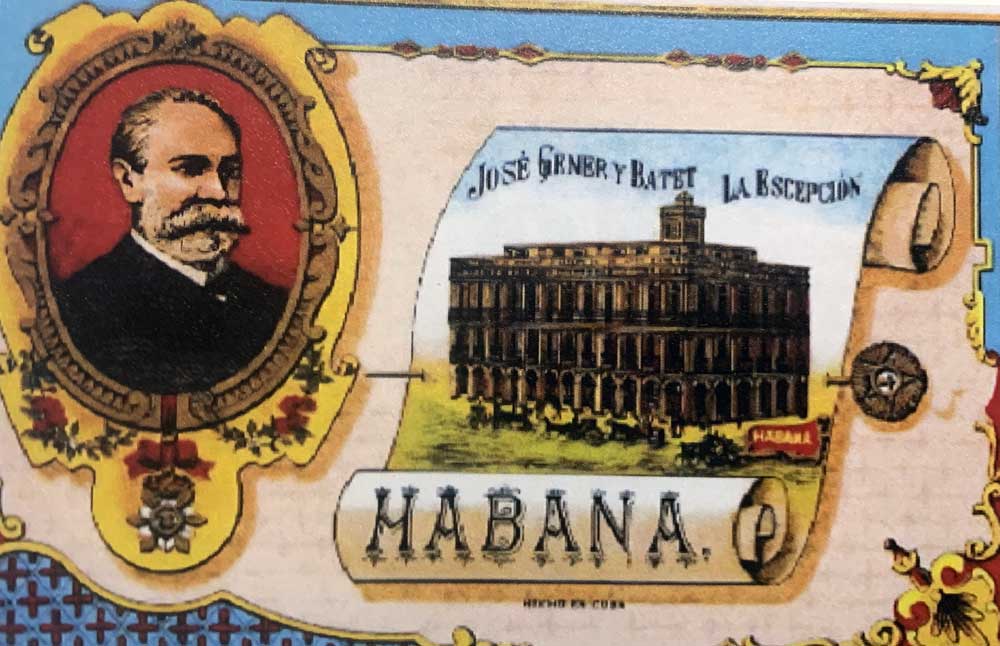
José Gener y Batet, the founder of the Hoyo de Monterrey and La Escepción brands. His contemporaries seem to have feared him for the most part.
From labourer to factory owner
Gener worked on tobacco plantations and in transport for several years - hard and physically demanding. In 1851, he borrowed money from Uncle Miguel: since the fall of the tobacco monopoly in 1821, he recognised the opportunity in cigar production. Around 1851 he opened a small factory at Calzada del Monte No. 1. In 1861 he bought the Hoyo de Monterrey plantation, and in 1865 he officially registered the brand named after the plantation.
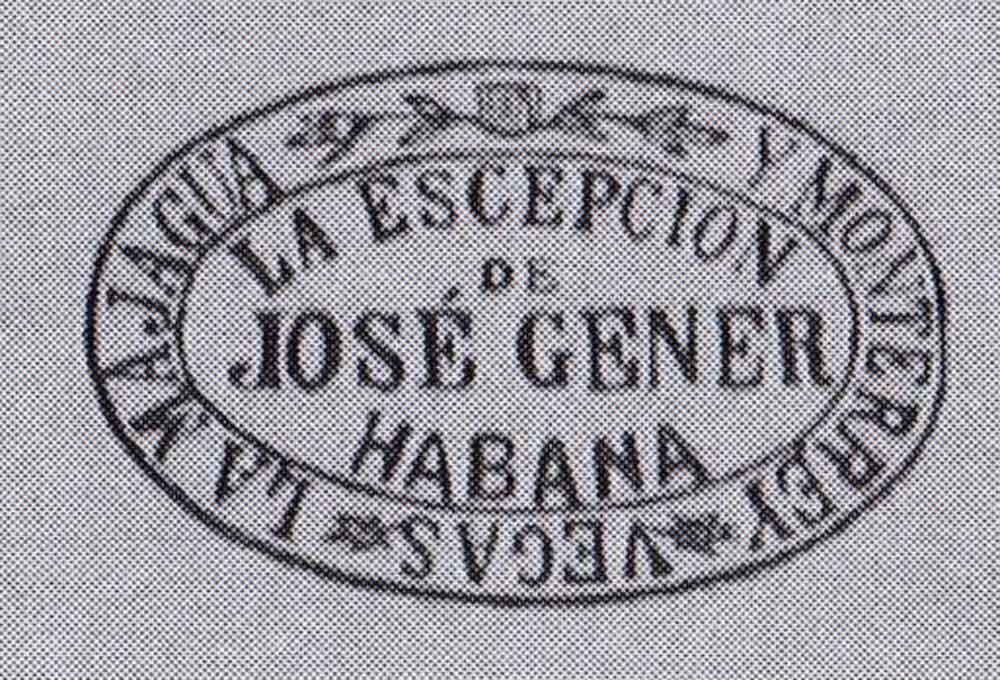
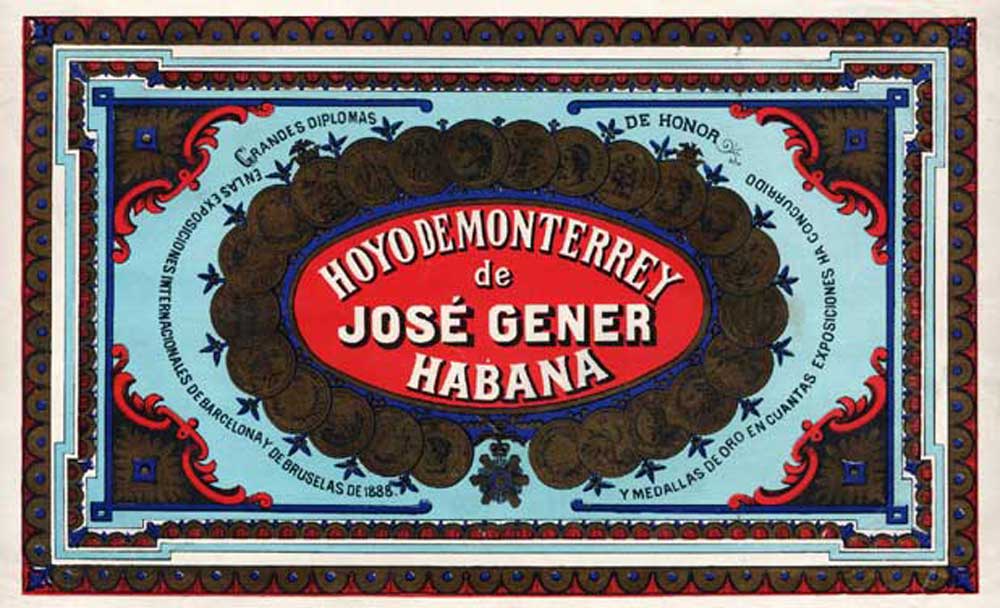
The logo of the Hoyo de Monterrey brand.
The family chased off the farm - the grab for factory and land
The family, to whom he owed a great deal, soon regarded Gener as competition. Step by step, he forced relatives out of the business, eventually literally throwing them out onto the street. Around 1870, supposedly forged papers emerged, according to which all family members were only employees without ownership rights. With his wife's money from a wealthy family, Gener pushed ahead with the expansion: in 1873 he bought the land between his plantation and La Majagua, which he had already taken from his uncle - in the end he owned all the land.
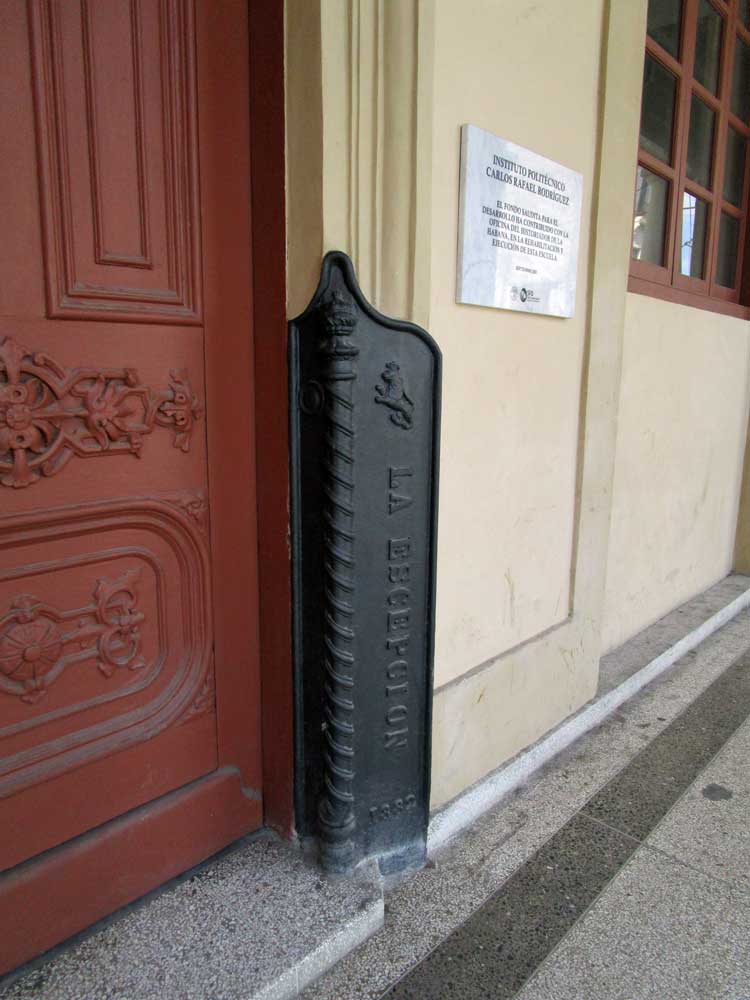
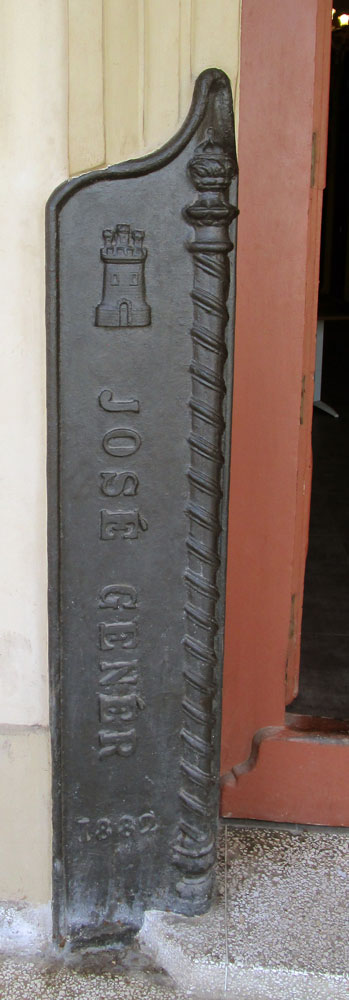
The name of the La Escepción factory, where Hoyo de Monterrey cigars were made, is inscribed on the doorpost of the former factory.
„La Escepción“: factory, fire, palace
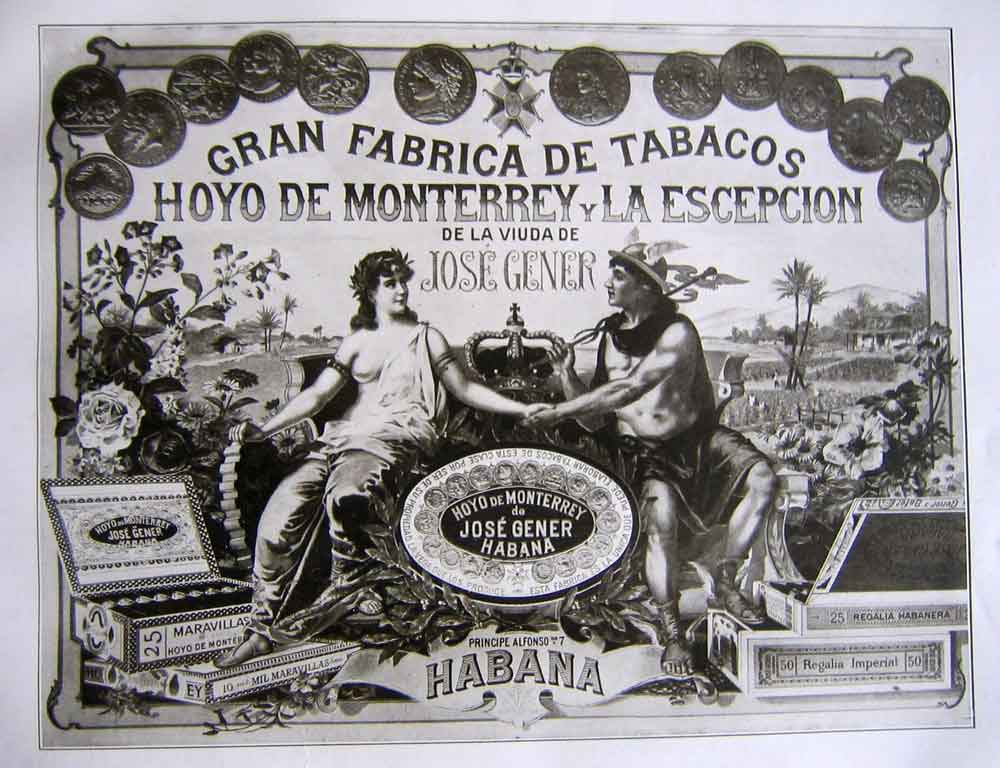
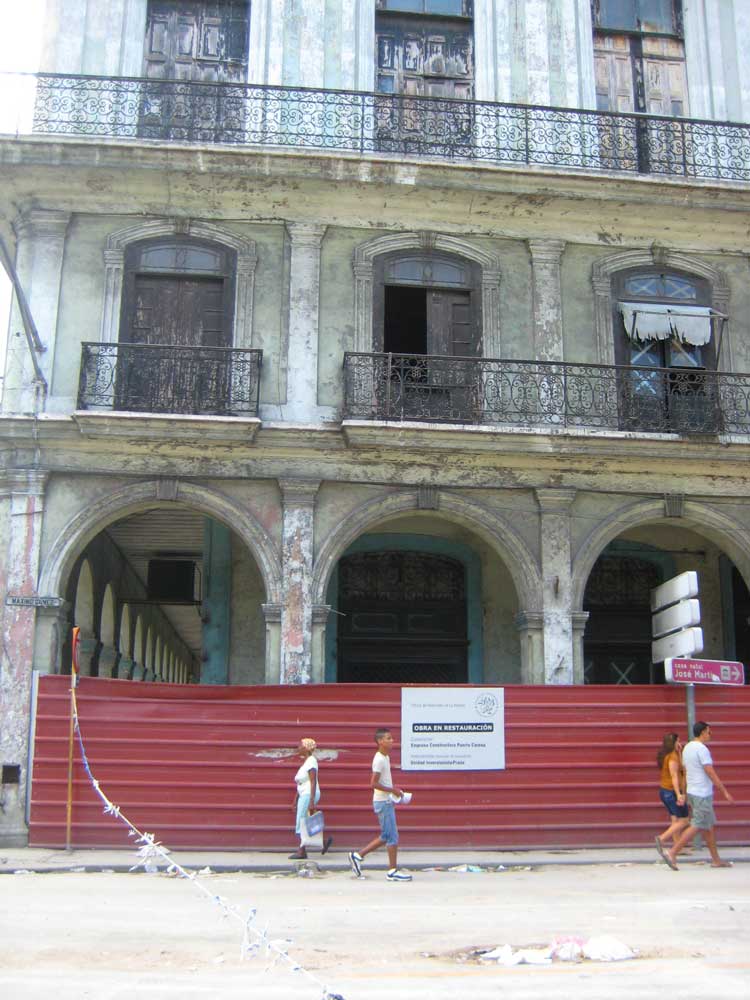
In 1882, Gener opened the legendary „La Escepción“ factory at Calzada del Monte No. 7, named after the brand of the same name. A year earlier, a major fire had destroyed the previous factory a few houses away. The inauguration ceremony took place in 1882; the year can still be read on the left-hand doorpost under its name. Architecturally, the building looks like a palace on the corner of Calzada del Monte and Calle Agramonte, just a few minutes' walk from the Capitolio: a building that takes up almost an entire block, with four storeys and filigree balcony grilles surrounding the large windows on the upper floors.
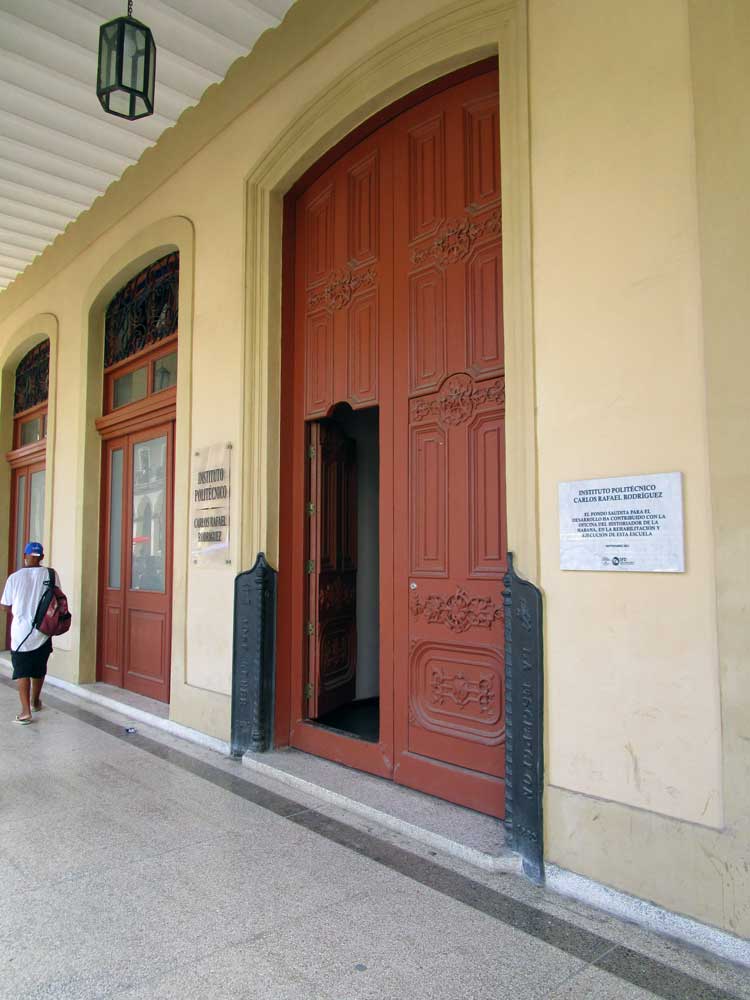
After the revolution, the factory was nationalised and later closed. In the meantime, the building housed the Unidad de Propaganda Gráfica Nacional; today it has been completely renovated and is home to the Instituto Politécnico Carlos Rafael Rodríguez.
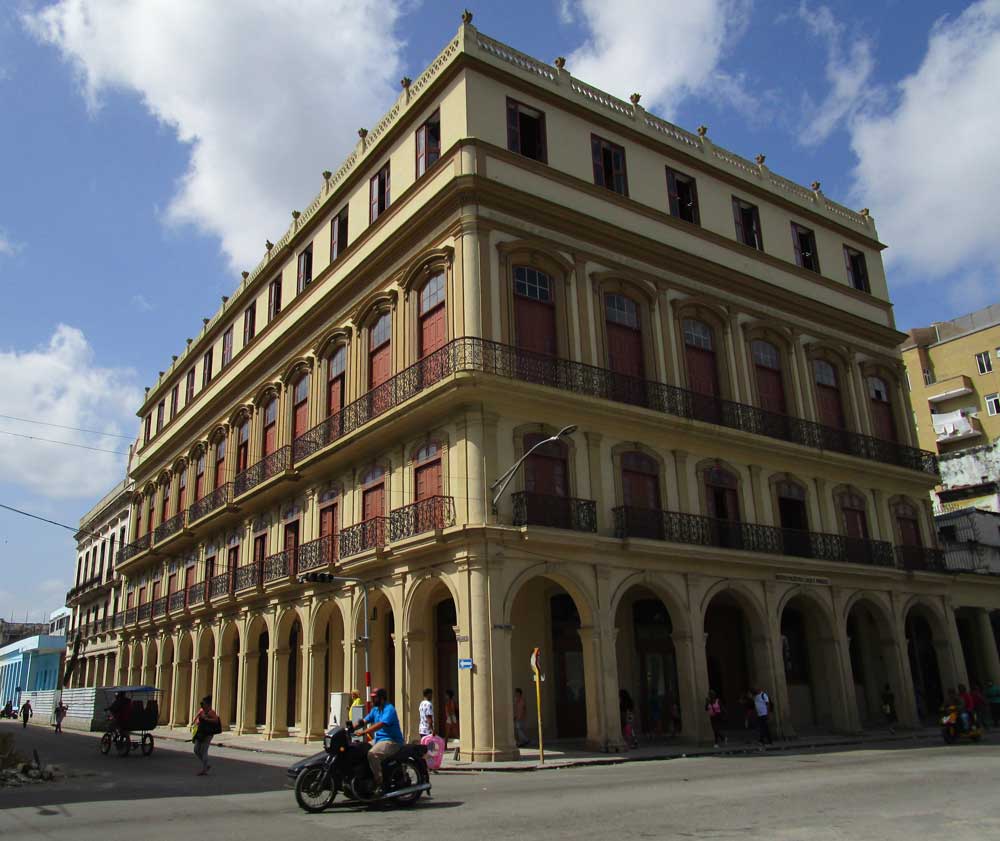
The still magnificent building on Calle Maximo Gomez (the street used to be called Calzada del Monte), where the La Escepción factory with the Hoyo de Monterrey brand was located.
The human José Gener: feared instead of loved
Personally, Gener was not a pleasant person to be around. His rudeness was legendary; fear reigned in the factory. Apprentices who didn't do their work perfectly were locked in the factory overnight. Once, when a fire broke out at night, two of them burnt to death - no one heard their screams.
José Gener died in 1900. Some claim that he had already returned to Spain because he could not bear the idea of Creole independence. A newspaper report about the funeral of the „Habanero“ José Gener y Batet is documented: workers are said to have thrown dead cats, rats and dogs at the funeral procession from the surrounding roof terraces - legend or not, he was clearly not popular. At the time of his death, the „La Escepción“ factory, where Le Hoyo de Monterrey was also manufactured, was one of the largest in Havana with more than 350 workers.
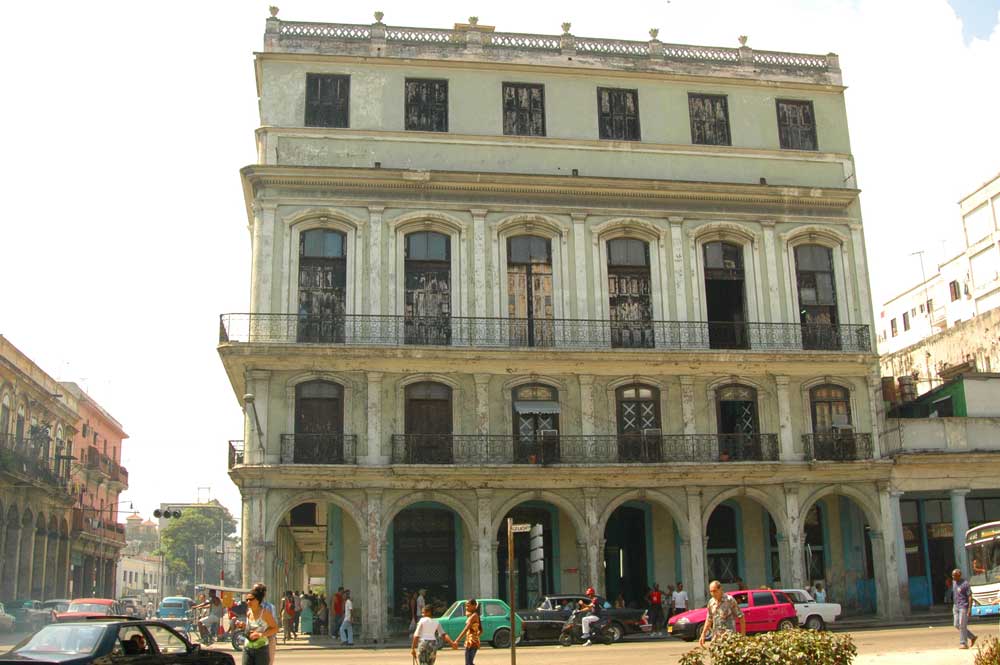
This is the former manufactory of the Hoyo de Monterrey brand before renovation; every house facade in Havana struggles with the rather aggressive climate of the sea.
Still in the hands of women - they preserved independence
After Gener's death, first his widow and then his daughter continued the business. Remarkably, the manufactory was one of the few that remained independent even after the War of Independence around 1910 and did not - like many others - pass into American or British hands. The family later shifted its focus to the sugar business.
In 1931, Le Hoyo de Monterrey and La Escepción were sold to Fernández Palacio y Cía, whose owners Ramón Fernández and Fernando Palacio were known for Punch and Belinda; from then on, both brands were also manufactured in La Escepción. In 1941, Winston Churchill himself came to see where one of his favourite cigars was made.
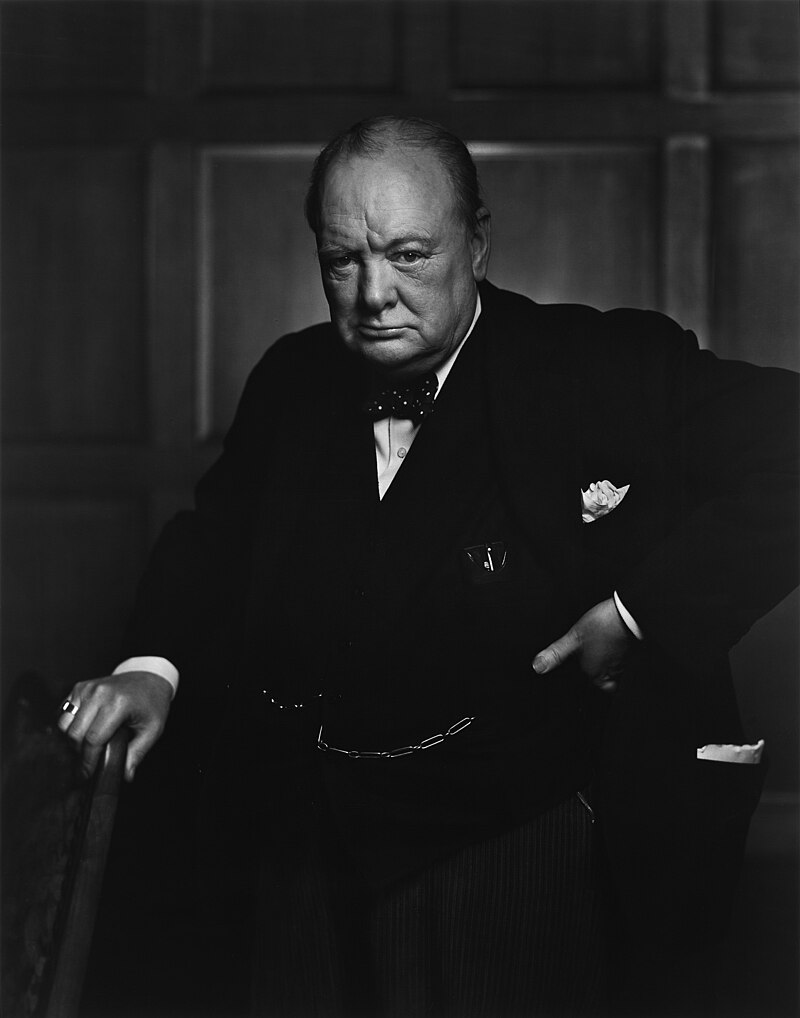
Winston Churchill, one of the greatest lovers of Cuban cigars and a British statesman, visited the famous La Escepción factory in person.
Continuity to this day
Le Hoyo de Monterrey remained a sought-after brand before and during the revolution and continued to be produced without interruption. It is not known how long the factory remained active in the old building. Today, the brand's cigars are mainly produced in the Corona factory on Avenida 20 de Mayo.
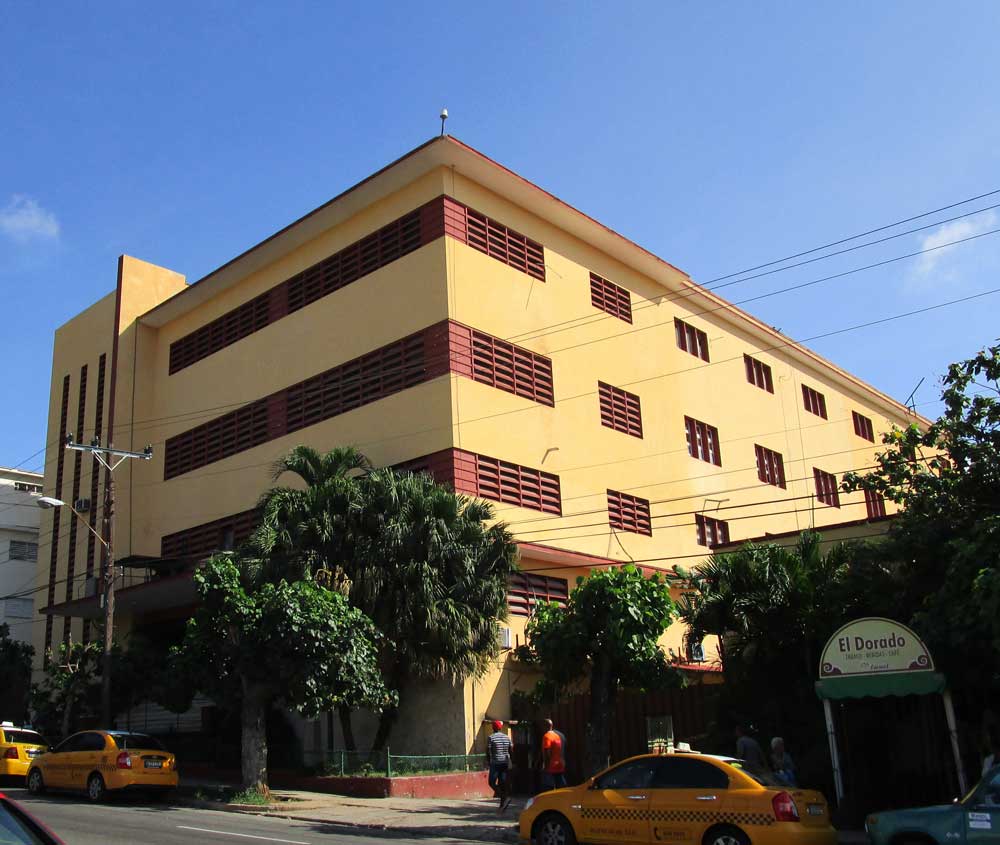
Today, Hoyo de Monterrey brand cigars are made in the famous La Corona factory on Avenida 20 de Mayo in Havana.
Conclusion - What the Le Hoyo de Monterrey story tells us
The Le Hoyo de Monterrey story is one of heritage, hard-edge entrepreneurship, family conflict, architectural splendour and remarkable continuity: plantation and brand name at the same time, through La Escepción and industrial change, to production in the Corona factory. Le Hoyo de Monterrey is still a classic and important Habano today.
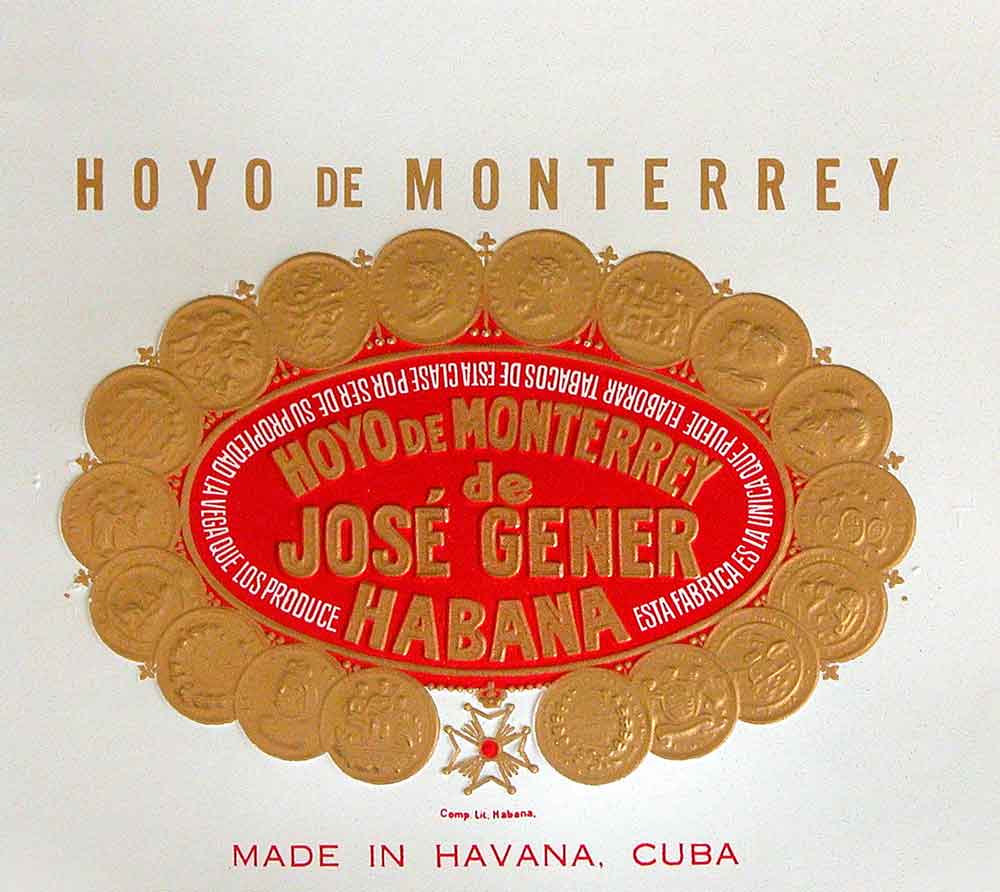
Even today, the Hoyo de Monterrey brand logo still includes a reference to its founder, José Gener.
Here you will find the Le Hoyo de Monterrey manufactory
If the live folder does not work, please click here to visit the Le Hoyo de Monterrey Manufactory.
Picture credits
- Claudia Puszkar
- Winston Churchill: Wikipedia
- Adriano Martínez Rius: “The Great Habano Factories” / Barcelona 2005, ISBN: 84-609-4024-1
- Adriano Martínez Rius: “The Great Book of the Habano”, Barcelona 2010
Curated for you
External website: Le Hoyo de Monterrey on Wikipedia
At Origin Of Cigar: VIP LETTER from Origin Of Cigar
Historical Habanos manufactories documentary film
In this film, their stories - and their true faces - are uncompromisingly revealed. This is far more than just a documentary film - it is a journey into the soul of Cuba.

What is in your drawers?
Some chapters in the history of cigars still lie in hidden in drawers, archives or private collections. Do you own Records, documents or references to Cuban cigar brands? Or do you know Sources, that could help with historical research? Then please send us an e-mail. Claudia Puszkar will contact you personally and discuss everything else with you. Together we can Bringing buried stories back to light. 👉 admin@origin-of-cigar.com
New to Cuban cigars? Or deep into it?
FAQ - Read the frequently asked questions
Open the glossary of Cuban cigars
Who is behind Origin Of Cigar?
Who we are and how you can reach us → Please click here
Le Hoyo de Monterrey Photo Gallery
If you do not see the photo gallery, please click here for the Le Hoyo de Monterrey photo gallery
References
- Min Ron Nee:
- “AN ILLUSTRATED ENCYCLOPAEDIA OF POST-REVOLUTION HAVANA CIGARS” / Hong Kong 2003, ISBN: 978-3980930826
- Instituto de Investigaciones del Tabaco Cuba:
- „The world of Habanos“ / Havana 2013, ISBN: 978-959-7212-08-9
- Adriano Martínez Rius:
- “Habano the King” / Barcelona 1998, ISBN: 84-930387-1-7
- Adriano Martinez Rius:
- “The Great Habano Factories” / Barcelona 2005, ISBN: 84-609-4024-1
- Orlando Quiroga:
- “El Habano al rojo vivo” / Havana 2002
- Enzo A. Infante:
- “Havana Cigars 1817-1960” / Neptune City 1997
- Eumelio Espino:
- “El Habano - De la semilla al puro en 539 pasos” / Madrid 2019, ISBN: 978-84-09-07091-6
- Alexander Groom:
- “El Habano Moderno” / Helios House Press 2022, ISBN: 978-911683-05-6
You are here:


 Deutsch
  Español
  English (UK)
  Français
  Italiano